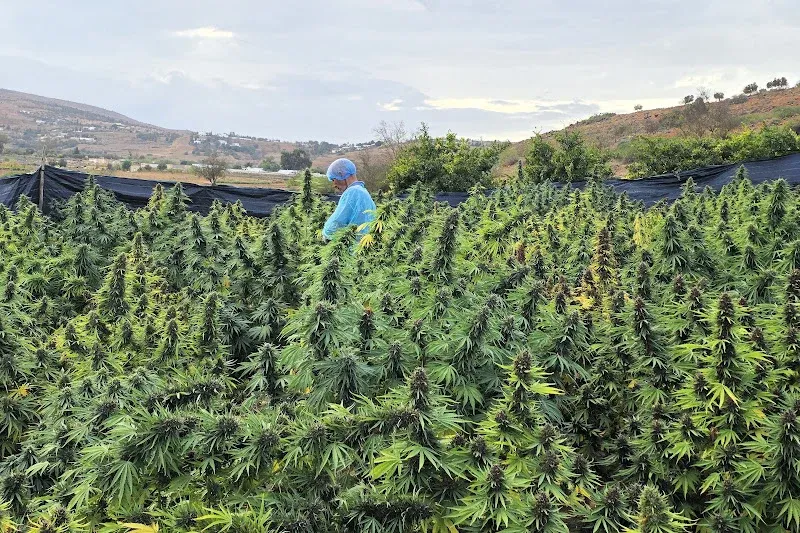
In recent days, cannabis farmers in Morocco have successfully completed the planting of the third season of the local variety known as “Bled” or “Municipal.” This strain is at the forefront of the country’s strategy to develop a legal cannabis industry primarily aimed at medical and pharmaceutical uses. However, the success of this production cycle is not solely dependent on expanding cultivated areas or increasing output; it is also highly contingent upon the market's ability to sell the final products through established legal channels, which significantly require a medical prescription before reaching consumers.
This initiative aligns with Morocco's ambition to create a comprehensive economic model surrounding medical cannabis, intertwining farmers, manufacturers, and distribution networks to ensure sustainability for all stakeholders involved. Each link in this production chain is interconnected; thus, the inability to market approved pharmaceutical products directly impacts manufacturing rates and consequently affects the demand for agricultural crops produced by licensed farmers.
Recent data acquired by Hespress indicates that the area cultivated with the “Bled” strain this season has reached approximately 2,200 hectares, reflecting a slight decline compared to last year, during which around 2,600 hectares were harvested. Furthermore, the harvested areas in 2024 are projected to be about 2,000 hectares. This development occurs as the local strain continues to solidify its position within the new legal framework for cannabis cultivation, thanks to unique characteristics that primarily direct it toward medical, pharmaceutical, and industrial applications, moving away from the illegal traditional uses that have historically been associated with the plant.
According to the same data, the decline in the cultivated area this season does not indicate a waning interest among farmers in regulated cannabis cultivation. Instead, it is linked to a reorganization of the sector and stricter enforcement of compliance with the legal provisions governing it. In recent months, approximately 1,300 warnings were issued to around 1,200 farmers regarding the potential revocation of their licenses, as monitoring and tracking operations revealed discrepancies related to non-compliance with several legal conditions and procedures.
Available data suggests that more than 50 percent of these warnings are likely to escalate into final license revocations if the beneficiaries do not rectify their legal standings or if violations persist. Additionally, monitoring actions have also targeted the economic actors involved in production, processing, and marketing chains, with around 150 warnings issued for license revocations to 85 economic operators, reflecting the authorities' intent to impose stricter regulations across all sectors of the industry.
These measures followed a comprehensive evaluation conducted at the end of 2025, which encompassed all participants in the legal cannabis chain, including farmers, cooperatives, and licensed companies. The relevant authorities used the results of this evaluation to assess compliance with the legal and regulatory commitments associated with the exploitation of the granted licenses before deciding on issuing warnings or revoking licenses when necessary.
Observers have noted that this shift signifies a transition in the regulation of cannabis from a focus on expanding the base of beneficiaries to an emphasis on establishing governance and legal compliance, ensuring the credibility of the project both nationally and internationally. The “Bled” strain has gained increasing attention within projects related to pharmaceutical and medical industries, especially as global demand for cannabis-derived products for therapeutic purposes rises.
Mohammed El Krouj, the Director General of the National Agency for the Regulation of Cannabis Activities, stated on Saturday in Casablanca that Morocco has a ready legal framework and a structured offering in the field of medical cannabis. He emphasized that the long-term success of the project to regulate the legal use of cannabis hinges on a delicate yet essential balance: reconciling the mandatory public health requirements for prescribing the use of legal cannabis products with the growth opportunities and sustainable economic benefits for operators and small farmers, which are crucial for the continuation of their businesses.
El Krouj also announced that more than 110 cannabis-based products have been officially registered with the Moroccan Agency for Medicines and Health Products, highlighting that these products are available at over 600 authorized sales outlets. He cautioned, “If these products are not sold with a prescription, they will not be sold at all. If they do not sell, manufacturers will stop producing them. If factories close, companies will cease purchasing crops from small farmers.”
As reported by hespress.com.