The Shift in the Western Sahara Dispute
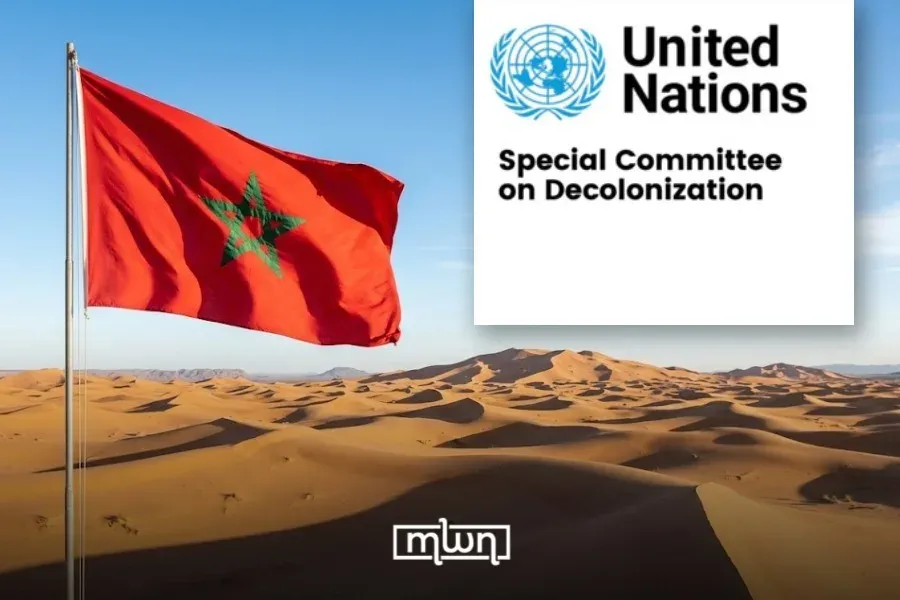
The issue surrounding the Western Sahara no longer aligns with the decolonization framework that categorized it six decades ago; instead, it has evolved into a matter of peace and security, as recognized by the United Nations Security Council. This significant transition has prompted Morocco’s Permanent Representative to the UN, Ambassador Omar Hilale, to advocate for a critical reevaluation of the Western Sahara question's placement on the agenda of the UN Special Committee on Decolonization (C-24). Ambassador Hilale asserts that the file currently managed by the Security Council as a matter of regional stability should not remain under the decolonization rubric established when the Sahara was still under Spanish colonial rule. His remarks at the C-24’s regional seminar in Managua, Nicaragua, in May 2026, have instigated a vital legal and institutional debate regarding the evolving nature of this issue within the UN system.
To fully appreciate the legal basis of this argument, it is essential to revisit the historical context of the Western Sahara question within the UN framework. Morocco initially sought to have the Sahara included on the UN list of Non-Self-Governing Territories in 1963, aiming to bring the matter into the decolonization process that was a priority for the Organization at that time. However, over the decades, the situation surrounding the Sahara has transformed dramatically, particularly following the 1975 advisory opinion from the International Court of Justice, which acknowledged the historical and legal ties between the Saharan tribes and the Moroccan Sultans. The subsequent organization of the Green March and the signing of the Madrid Accords in November 1975 marked the end of Spanish administration and ushered the Western Sahara into a new phase that fundamentally differed from the initial decolonization rationale.
The Security Council's Role in the Western Sahara Issue
Since the establishment of the UN settlement process and the deployment of MINURSO in 1991, the handling of the Western Sahara file has increasingly shifted towards the Security Council. Over the past thirty years, this body has taken on the responsibility of overseeing the issue through the issuance of periodic resolutions and the management of political processes aimed at resolving the conflict. The UN's structural division of competencies plays a crucial role in this context. While the General Assembly primarily focuses on discussions through specialized committees, including the Fourth Committee on Special Political and Decolonization Questions, the Security Council holds the exclusive responsibility for maintaining international peace and security as per the UN Charter. This distinction is paramount; recommendations made by the C-24 are merely advisory and lack any binding legal force, whereas the Security Council actively governs the political progression of the Sahara issue.
Article 12 of the UN Charter further underscores this distinction, establishing that the General Assembly cannot make recommendations regarding a dispute while the Security Council is engaged with it. This principle ensures that each dispute is handled by the appropriate UN organ, fostering coherence in the organization's actions and preventing the emergence of conflicting processes. The evolution of the Western Sahara question from a decolonization standpoint to a politically negotiated resolution reflects a significant shift in priorities, emphasizing the need for a realistic and compromise-based approach to this regional dispute.
In light of these developments, maintaining the Western Sahara file within the C-24 could potentially freeze its interpretation in a bygone historical context, ignoring the substantial changes that have occurred since its initial listing as a Non-Self-Governing Territory. The Security Council's ongoing endorsement of a pragmatic political solution highlights a movement away from merely decolonization-focused viewpoints, as seen in Morocco's introduction of the Autonomy Initiative in 2007, which has since gained international recognition as a credible framework for resolution.
This evolving narrative around Morocco's autonomy proposal, supported by key international players, has reshaped the discussion from abstract principles to tangible solutions. As Morocco continues to enhance the details surrounding its autonomy plan, including the associated institutional guarantees and regional development initiatives, the conversation shifts toward a more substantive dialogue on implementing a viable resolution to the Western Sahara dispute. Consequently, the persistent inclusion of this issue within the C-24 creates ambiguity, enabling certain actors to misrepresent the current trajectory of the matter within the UN. While the Security Council approaches the issue as a political process aimed at achieving a lasting resolution, detractors of Morocco's territorial claims continue to cling to older decolonization narratives.
Ambassador Hilale's call for the removal of the Western Sahara question from the C-24 agenda represents a broader strategy to solidify the Security Council's prevailing approach, garner international support for the Moroccan Autonomy Plan, and enhance coherence across UN bodies in addressing the issue. This strategic repositioning aims to further develop the autonomy project, emphasizing its viability as a realistic settlement framework while aligning the UN's stance with the evolving realities of the Western Sahara situation.
As reported by moroccoworldnews.com.