News
LATEST NEWS IN News
 News
News
Final Verdict: Morocco vs Senegal in AFCON Aftermath
 News
News
Morocco's Sahara at the Heart of UN Discussions
 News
News
Intense Heat Wave Hits Morocco
 News
News
Washington Views Morocco as a Strategic Mediator
News
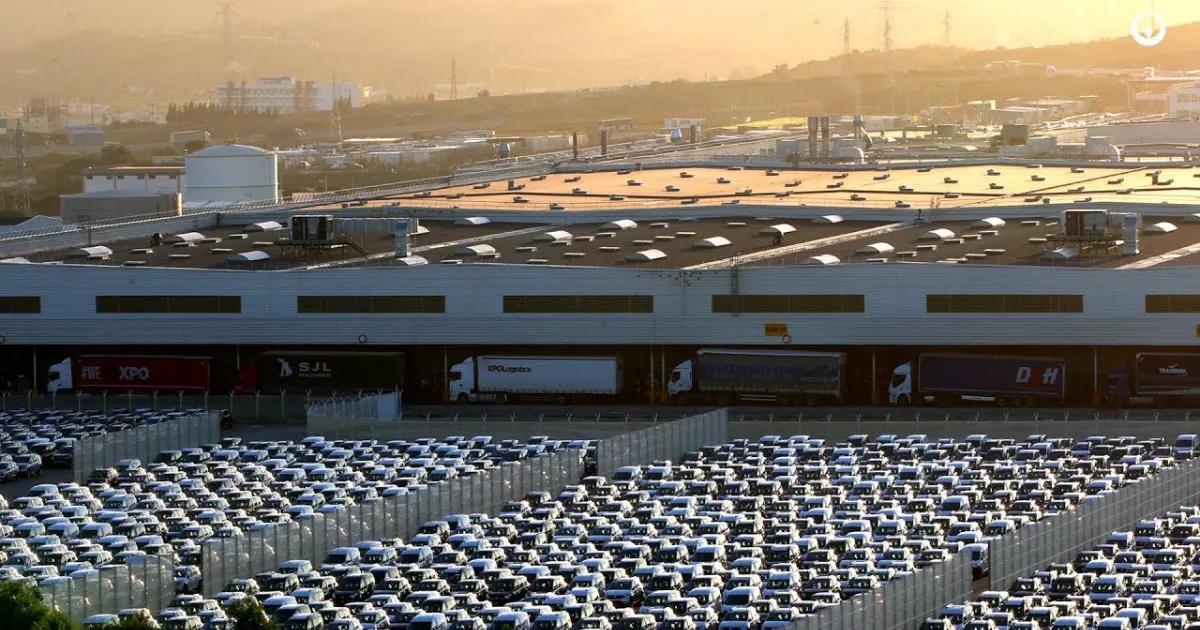
Renault's Tangier Factory: The Crown Jewel of Morocco's Automotive Industry
Labor Strikes in Spanish Plants Amidst Competitive PressureThis week marked a significant moment for Renault, as for the first time since the 1970s, the company's factories in Valladolid and Palencia have initiated work stoppages lasting one hour per shift. This action serves as a protest against the lack of progress in the collective bargaining agreement between the management and the workers. The most recent meeting took place at the beginning of May and concluded without a resolution, prompting the unions to prepare for mobilizations and strikes. This week, they made good on their threat by halting production in both locations and organizing a demonstration outside the factories.The situation has escalated to such a degree that the Ministry of Industry has summoned both parties to resume negotiations from where they left off. However, the pressing issue remains that if the collective agreement is not renewed, Renault has indicated that it may cancel a new industrial plan that would assign the production of several new models to its Spanish plants, along with a new platform. This plan is crucial for securing the future of these factories and their jobs in the medium term, highlighting the precarious nature of the current labor relations.Production Shifts to Morocco's Tangier FacilityAmid these labor issues, the Tangier factory is increasingly becoming a focal point for Renault's production strategy, particularly as it has the capacity to manufacture hybrid vehicles. Should the negotiations in Spain fail to progress, Renault might consider relocating the production of its new models to other facilities, notably naming Morocco's Tangier and Somaca plants in Casablanca as potential alternatives. Tangier is strategically located less than 14 kilometers from the Spanish border, which means a vehicle could be in the European market within 48 hours of assembly, thanks to the state-of-the-art Tangier Med port. This port, one of the largest and most modern in the Mediterranean, aims to replace Spanish ports as the primary gateway to the region.The Tangier factory currently boasts a maximum production capacity of 340,000 vehicles, although last year it assembled only 299,000, with an impressive 95% earmarked for export. The models produced at this plant include the Dacia Sandero, Jogger, Logan, and Dokker. Recognized as the crown jewel of Morocco's new industrial framework, the facility is powered almost entirely by renewable energy and operates as a carbon-neutral establishment, further enhancing its appeal in today's environmentally conscious market.In addition to Tangier, there is Somaca in Casablanca, established by the government in 1959 and later acquired by Renault. This plant, which has fully amortized its investment, enjoys low production costs and has the potential to produce 160,000 units annually. However, the latest figures indicate production capped at 100,000 units, primarily serving the domestic Moroccan market with models such as the Dacia Logan, Sandero, and Renault Kardian. Moreover, Renault is in the final stages of developing a third electric vehicle plant in Nador, adjacent to the new Nador Med port. While not yet operational, this facility could pose a serious challenge to European factories if they fail to adapt to the rapidly changing automotive landscape.As reported by eldebate.com.