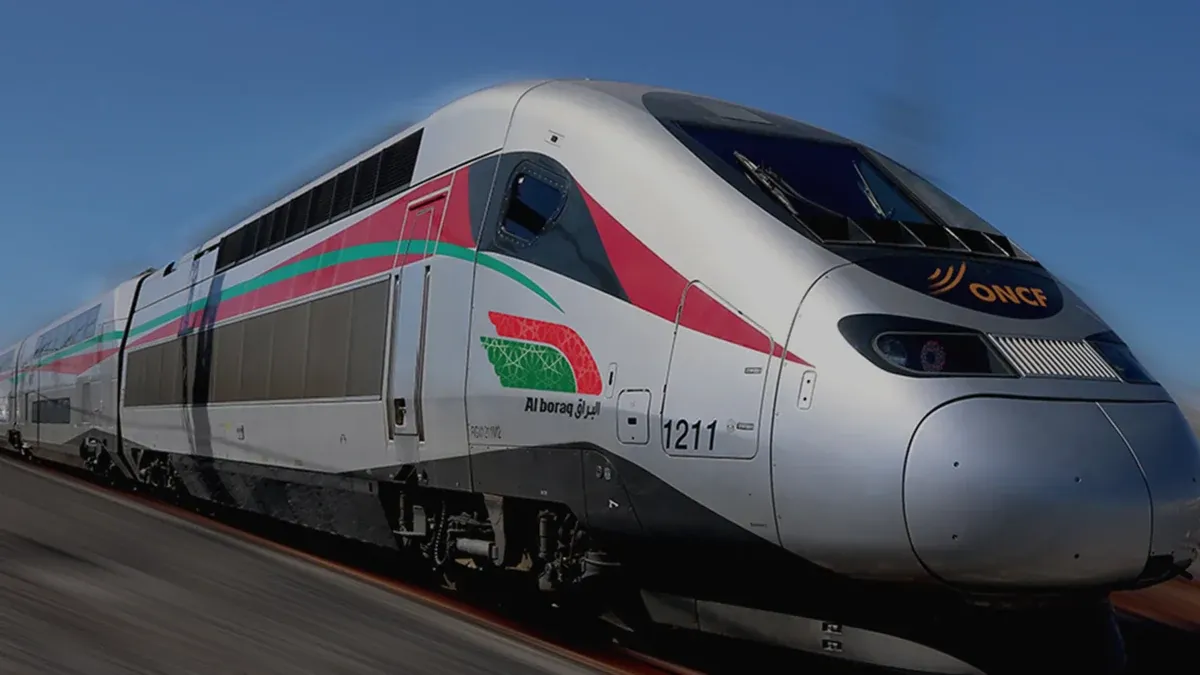
The high-speed train project linking Marrakech and Agadir has transitioned from a regional ambition to a tangible reality for the residents of Souss-Massa. During a parliamentary session on May 25, 2026, the Minister of Transport and Logistics, Abdessamad Qiyouh, revealed that this line is a crucial component of the high-speed rail initiative, confirming that both the introductory and practical studies are completed, with an estimated cost of around 55 billion dirhams.
This information holds significant importance for Agadir and the Souss-Massa region, as it elevates the discussion from a general aspiration to specific figures, studies, and costs. For a region that has been without direct rail connectivity for decades, this project represents a historic opportunity to break free from its prolonged railway isolation, effectively linking Agadir with key urban hubs such as Marrakech, Casablanca, Rabat, and Tangier.
Qiyouh emphasized that this segment requires support and funding at the international level, indicating that the ministry and the National Office of Railways are actively engaging international partners for both financing and technical expertise to ensure the project is executed according to the required standards.
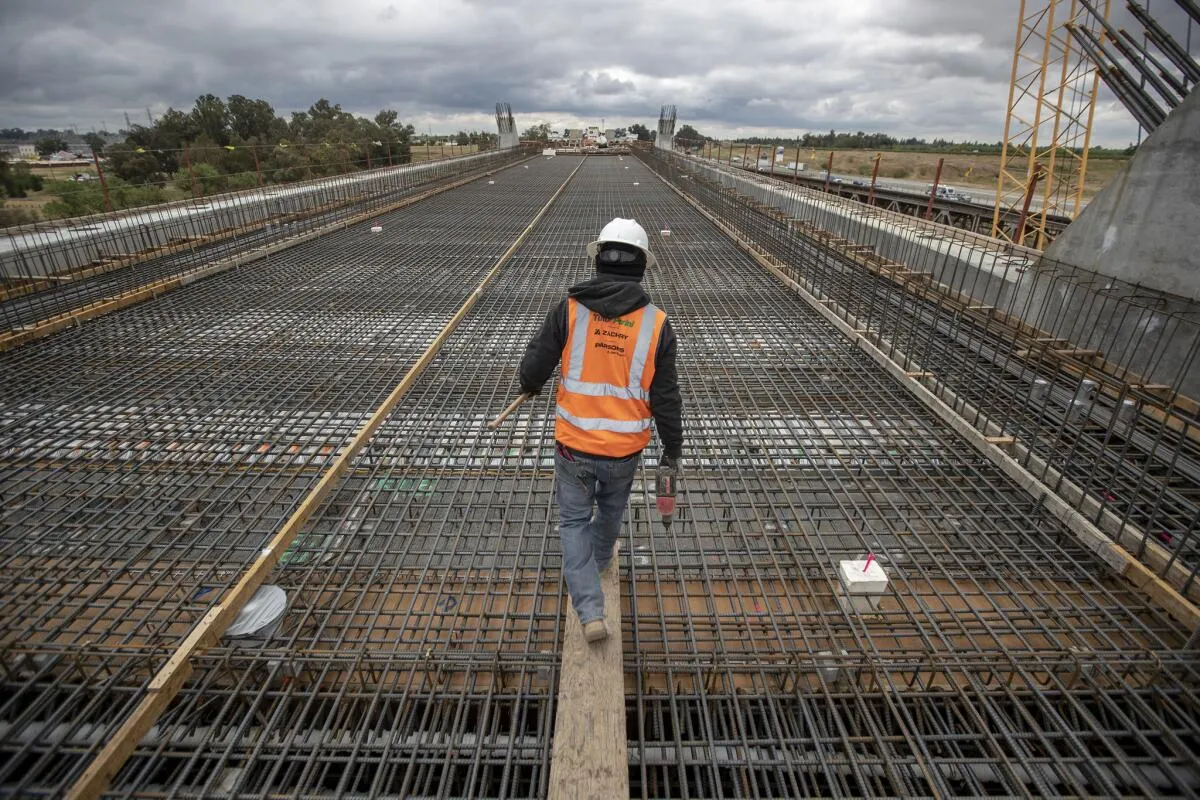
The geographical and engineering challenges posed by the project are considerable. The train line will traverse expansive areas of the High Atlas Mountains, complicating its construction. The minister noted that over 70% of the work will involve the construction of bridges and tunnels. This means that the Marrakech-Agadir line will not merely be a standard railway extension but rather a massive engineering endeavor demanding substantial funding, expertise, and advanced techniques.
According to the Ministry of Transport and Logistics, the extension of the high-speed line to Agadir will involve the creation of a new railway line approximately 240 kilometers long between Marrakech and Agadir, marking one of the largest anticipated infrastructure projects in southern Morocco.
In another update, the minister reported that approximately 30% of the work connecting Kenitra to Marrakech has been completed, which he deemed an encouraging percentage reflecting progress according to the scheduled timeline. The high-speed train service anticipated to reach Marrakech is set to commence in September 2029.
This brings forth a critical question for the residents of Agadir and Souss-Massa: what comes next after the train’s arrival in Marrakech? While connecting Marrakech to the high-speed rail network is a significant milestone, the true challenge for the region lies in ensuring that the project does not stop at Marrakech and that the segment extending to Agadir becomes an active project with a clear timeline and guaranteed funding.
Economically, the Marrakech-Agadir train could redefine the region's position within the national landscape for mobility and investment. By reducing travel times between Agadir, Marrakech, Casablanca, and Rabat, the city would become more accessible to national and international markets, unlocking new opportunities for tourism, conferences, services, real estate investment, and logistics-related industries.
From a tourism perspective, the train cannot be separated from Agadir's future as a major destination. Currently, the city heavily relies on road transport and the airport, but the high-speed rail link will provide a new gateway for visitors, whether Moroccans or foreigners arriving from other airports and cities. This could enhance the integration between Marrakech and Agadir, rather than leaving the two cities as separate travel destinations.
Socially, the train will have a direct impact on students, employees, patients, small investors, families, and all those who regularly travel between Souss and other cities. The project is not solely about tourism; it also addresses the region’s right to a modern connection that decreases distances and improves access to services and opportunities.
However, the magnitude of hope does not overshadow the pressing questions at hand. The estimated cost of approximately 55 billion dirhams is substantial, and the need for international funding suggests that the project will require robust negotiations and partnerships. Moreover, the high percentage of bridges and tunnels, exceeding 70% of the work, presents technical challenges that could impact timelines and final costs.
Therefore, the public in Souss-Massa requires greater clarity regarding the next stages: when will the Marrakech-Agadir segment transition from studies to actual construction? What are the potential funding sources? What is the approximate timeline? Where will the stations be located? And how will the project integrate with other transportation means within Agadir and the region?
These questions do not diminish the significance of the announcement; rather, they provide it with its true meaning. Major projects are not measured merely by statements but by the clarity of the pathway, the continuity of funding, and the transparency of communication with residents and economic stakeholders.
With Agadir Al Massira Airport, national roads, and the high-speed train project, Agadir stands on the brink of a pivotal phase in its connectivity with the rest of the kingdom. The city is no longer just asking for more flights or improved roads but is eager to enter the realm of high-speed rail connections, befitting its tourist and economic status and the ambitions of the Souss-Massa region.
If the project is realized, the Marrakech-Agadir train will become more than just a railway line; it will transform the region's relationship with time and distance, bringing Agadir closer, integrating Souss more fully, and elevating the south's presence within the national dynamics. Conversely, any delays in transitioning studies into execution will leave the dream of the train suspended at a time when other regions are swiftly advancing towards major connectivity projects.
Thus, the most pressing question for the people of Agadir and Souss-Massa remains: will the 55 billion dirhams transform into a tangible project connecting Agadir to the high-speed network, or will it remain in the waiting category? The answer will be determined in the coming years, amid financing, engineering, and the political will to rectify a region that has long been absent from the railway map.
As reported by agadir24.info.