Brazil's Tactical Approach and Challenges Against Morocco
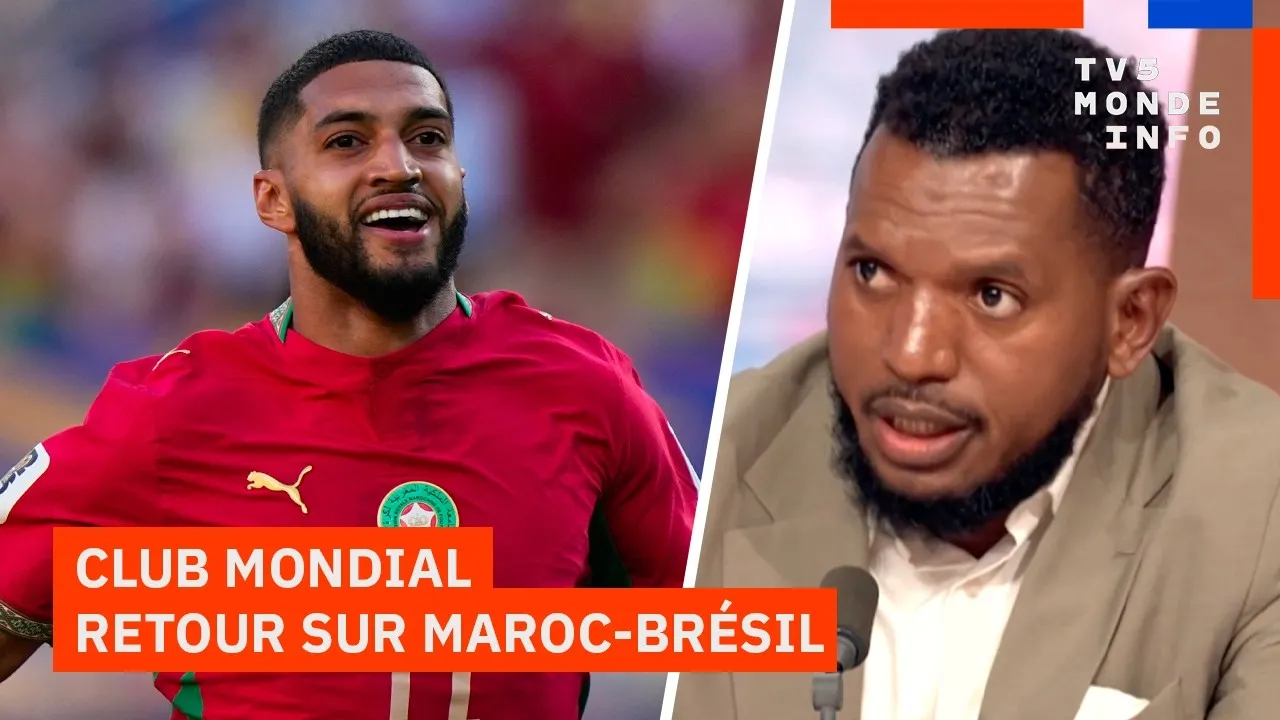
In their opening match of the World Cup, Brazil opted for the globally favored 4-4-2 formation, a choice that resonates with many coaches due to its perceived simplicity. However, the reality of implementing this system is far more complex. Initially, Brazil approached the game with caution and found themselves under significant pressure from Morocco, who effectively utilized mid-block pressing and executed seamless transitions into their attacking play. Interestingly, these transitions were not solely aimed at scoring but were strategically designed to advance into Brazil's half, exposing a gap in Brazil's defensive structure, particularly as their forwards often neglected to contribute defensively.
A key player for Morocco in the first half was Achraf Hakimi, whose significant presence within Brazil's penalty area illustrated the Brazilian team's approach to exploit the right side of Morocco's defense through the talents of Vinicius Junior and Raphinha. However, the execution faltered as both wingers frequently occupied the same space, resulting in a lack of width in Brazil's attack. This forced the team to funnel play through the middle, inadvertently playing into Morocco’s hands, as they focused on closing central lanes while betting on their counterattacking capabilities.
One pivotal moment occurred when Brazil lost possession in midfield, which led to a swift counterattack and ultimately resulted in a goal for Morocco. This scenario highlighted the inherent risks of attacking play, as teams can become vulnerable to counterattacks when caught in offensive positions. Brazil struggled to initiate their plays effectively, particularly in the second offensive phase, and were slow to utilize their fullbacks, which hindered their ability to reach their most dangerous players in wide positions.
Strategic Adjustments and Brazil's Response
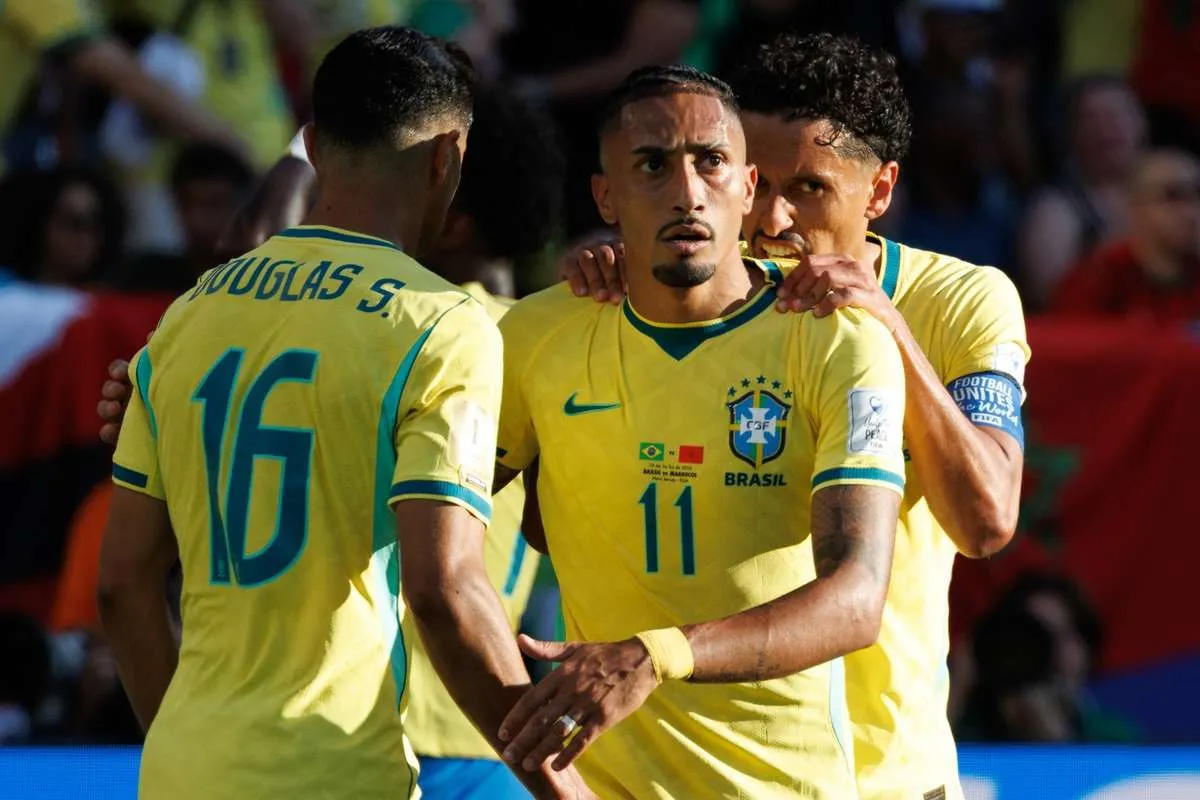
Following the concession of the goal, a critical hydration break allowed Brazilian coach Carlo Ancelotti to implement a tactical shift that significantly altered the course of the match. Transitioning to a 4-1-4-1 formation, Ancelotti repositioned Lucas Paquetá wider, allowing Vinicius to take the left flank and Raphinha to occupy the right, while Igor Thiago remained central. This adjustment paid dividends, as Brazil managed to score a goal within five minutes of the change, showcasing an impressive move down the flank that capitalized on Hakimi’s positioning, culminating in a brilliant individual effort from Vinicius Jr.
The importance of player positioning became evident as Brazil's goal was characterized by a collective presence in the box, with six players involved, including three midfielders, two wingers, and a center forward. The strategic shift not only provided additional cover in midfield but also allowed Paquetá to support Vinicius defensively, further solidifying Brazil's structure. With this new formation, Brazil’s midfielders were better positioned to press Morocco effectively, especially following a loss of possession. However, despite their improved defensive behavior and territorial dominance, Brazil struggled to convert their control into meaningful scoring opportunities, illustrating the persistent issue of lacking clinical superiority in the final third.
Brazil’s build-up play involved utilizing fullbacks and central midfielders to create numerical advantages, yet they failed to exploit these opportunities due to a sluggish transition from wide to central areas. Meanwhile, Morocco maintained a disciplined mid-block, which stymied Brazil's attempts to establish control in midfield and effectively move the ball wide. The Brazilian wingers often found themselves retreating deeper to receive the ball, as the fullbacks remained aligned with the defensive line, limiting Brazil's attacking width and effectiveness.
In the wake of tactical adjustments and the introduction of more mobile players, Brazil attempted to shift their strategy towards leveraging individual technical skills rather than cohesive team play. However, Morocco's resolute defense proved challenging, affirming their quality as a formidable opponent on the world stage. As we look ahead to the upcoming 2026 World Cup, scheduled to take place from June 11th to July 19th across the United States, Canada, and Mexico, the tournament will feature an expanded format with 48 national teams competing in 16 state-of-the-art stadiums.
As reported by flashscore.com.