The Challenges Faced by Brazil in Their World Cup Opener Against Morocco
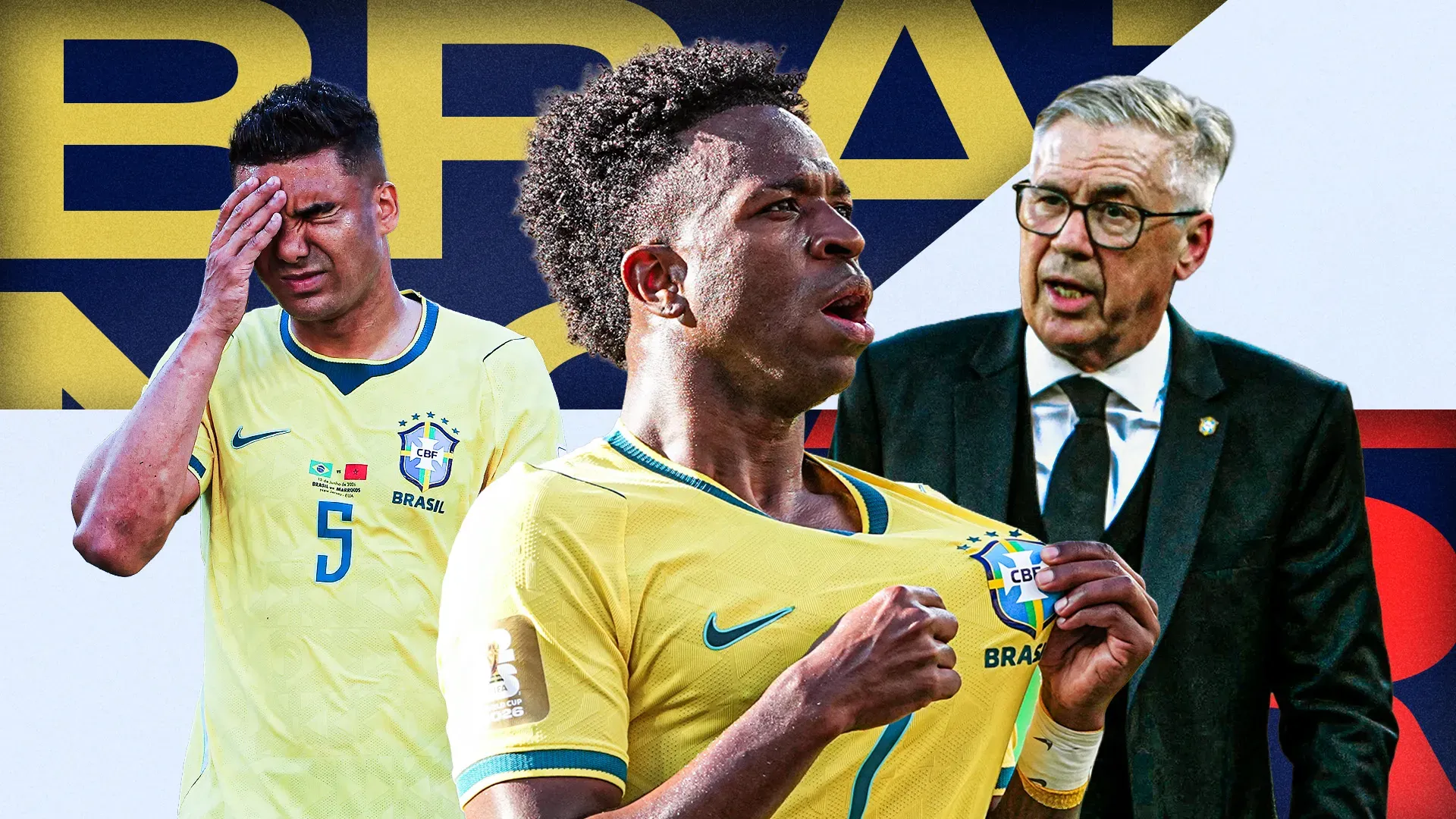
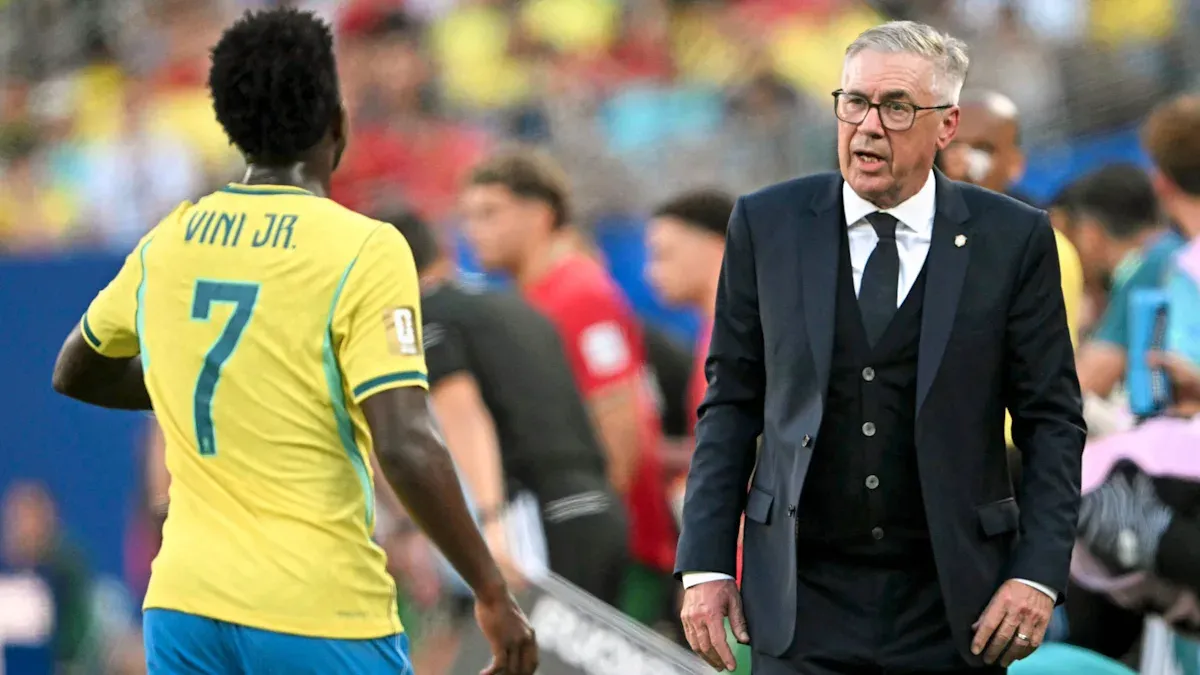
The five-time world champion Brazil experienced a surge of doubts regarding their performance following a 1-1 draw against a resilient Moroccan team. Coach Carlo Ancelotti is now tasked with calming the anxious football nation. Despite the gravity of the match, Ancelotti maintained a composed demeanor, which stems from his ability to remain collected under pressure—especially in front of cameras. "I apologize that we didn’t play as we intended," he stated after the match, aware that the result likely instigated skepticism, if not fear, among the millions of fans back home.
The highly anticipated World Cup debut of the Seleção could have easily turned disastrous. In the first half of the match against Morocco, the team, which Ancelotti took over last summer, appeared overwhelmed by the opponent's pace and pressing style. "We need to improve, that’s clear. We must be better balanced and more aggressive as a team. I am neither disappointed nor satisfied," Ancelotti remarked, setting the tone for the need for improvement.
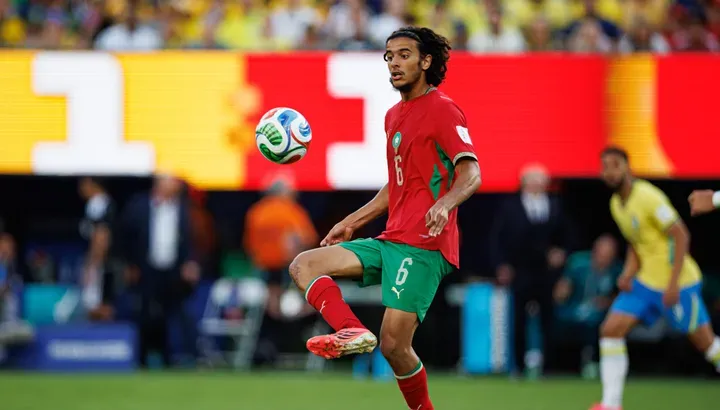
From a Brazilian perspective, the start of the game was alarming, as Morocco, a semi-finalist in the previous World Cup, capitalized on multiple turnovers, consistently breaking through Brazil’s defense with precise passes and creating several scoring opportunities. The South American team struggled to win duels, and the midfield was an evident vacuum where attacks either began or were thwarted. Brazil was fortunate to concede only the goal from Ismael Saibari in the 21st minute.
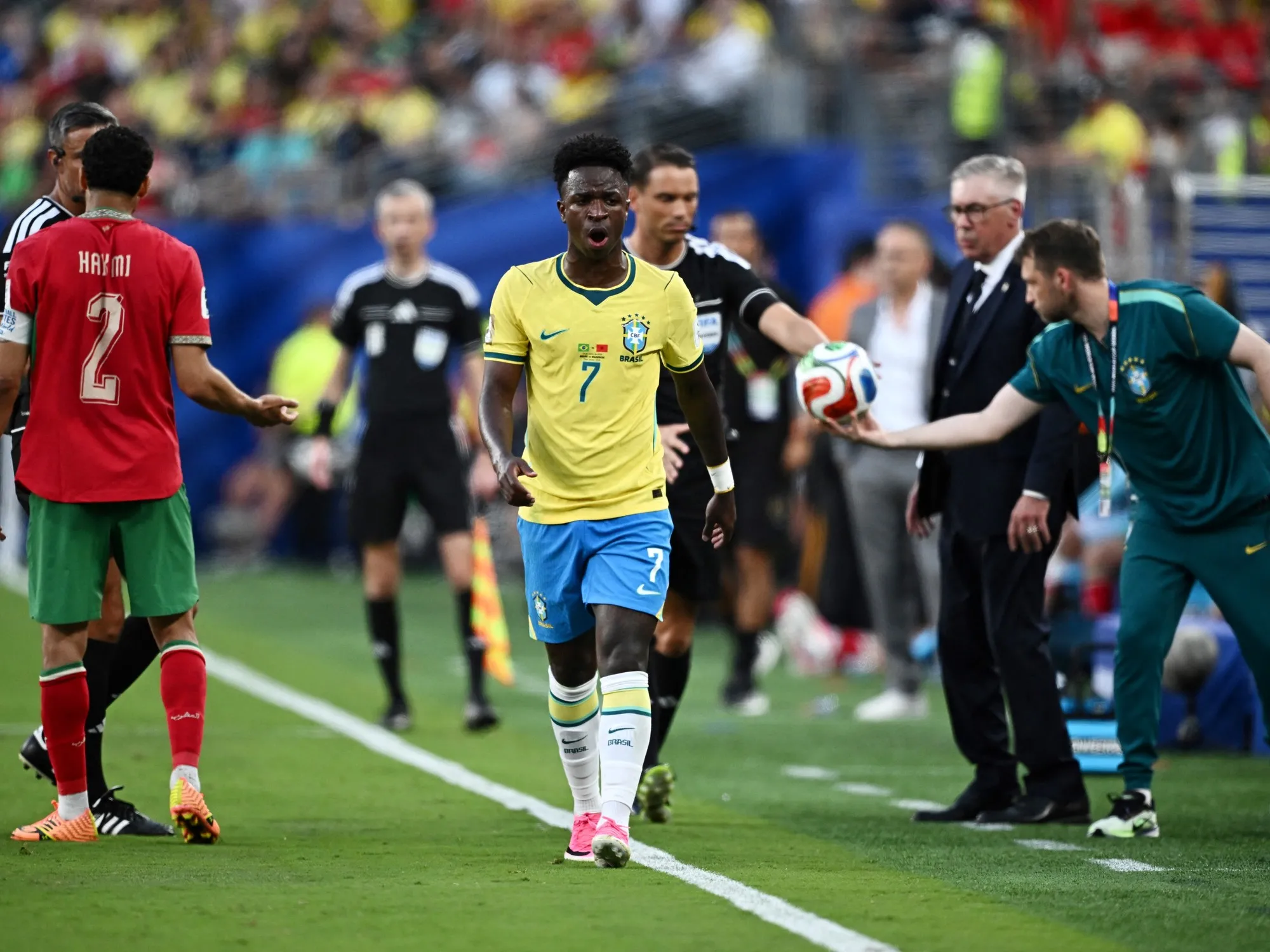
It was solely due to the brilliance of Vinicius Junior that Brazil managed to equalize before halftime. In the 32nd minute, the Real Madrid star made a dazzling run from the left flank into the penalty area, swiftly changing direction to evade Neil El Aynaoui and firing a shot into the far corner. The entire sequence was executed with such speed and precision that it was unstoppable. This moment marked the first magical highlight of the World Cup, although it was largely disconnected from Brazil's overall performance, which a Brazilian newspaper likened to their infamous 1-7 defeat against Germany in 2014.
Ancelotti utilized the halftime break to reset his team. He introduced Danilo for Roger Ibanez to stabilize the defense, and crucially, he relieved Casemiro in the midfield. The 34-year-old, once a formidable presence in world football, seemed like a shadow of his former self, unable to keep up with the tempo. In the second half, Brazil regained control of the match thanks to the introduction of Fabinho and improved positional discipline, yet genuine threats on goal remained scant.
The pressing question is whether this team, with an aging average age and several concerns—such as Neymar, who hasn’t played a national game in three years—can withstand the pressure from competent opponents in the knockout stages. While Brazil can showcase high-level play when they control the ball, they struggle when faced with a physical and rapid game.
“You don’t win a World Cup with the first game,” Ancelotti reassured the skeptics, emphasizing that the team is merely at the start of their journey. There appears to be time for them to find their rhythm, with the next challenge against Haiti in Philadelphia just a week away. The final group match against Scotland is unlikely to serve as a true test either.
However, it is evident that if Brazil aims to make a substantial impact in this World Cup, their star players must perform. Raphinha, who missed the only significant chance for a winner in the second half, alongside Vinicius Junior, must step up and become the key contributors they have been at their clubs in Barcelona and Madrid. Nevertheless, Ancelotti remains unflappable, asserting that both players possess "all the qualities needed to have a great World Cup." Whether this extends to the team as a whole remains in question.
As reported by welt.de.