Exploring Digital Child Protection Efforts in Morocco
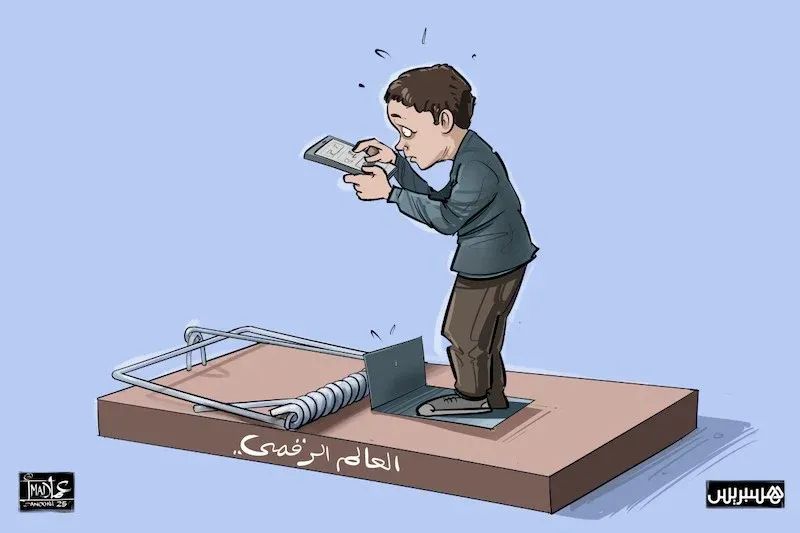
In a rapidly evolving digital age, the protection of children online has become a paramount concern for many nations, including Morocco. As children increasingly engage with social media and various online platforms, the risks associated with their digital presence have grown significantly. Reports indicate that parents and guardians are becoming more aware of these dangers, yet questions remain about the effectiveness of current measures and the level of governmental action. Recent discussions have highlighted the need for legislation that specifically addresses the vulnerabilities faced by children in the digital landscape, emphasizing the importance of safeguarding their online interactions.
While many parents are beginning to monitor their children's online activities more closely, there is still a pressing need for a structured approach to digital child safety. Experts argue that Morocco must consider implementing regulations that limit children's access to certain social media platforms and promote educational initiatives aimed at both parents and children. Such measures would not only enhance awareness of potential risks but also empower families to engage in safer online practices. The ongoing dialogue surrounding digital child protection emphasizes that it is crucial for Moroccan authorities to take decisive steps to ensure a safer online environment for the younger population.
Legislative Measures and Public Awareness
The call for legislative action is gaining momentum as various stakeholders advocate for a comprehensive framework that addresses the risks associated with children's online activities. This includes not only the establishment of age restrictions on social media usage but also the creation of educational programs that inform both parents and children about online safety practices. The urgency of this situation is underscored by the increasing incidences of cyberbullying and exposure to inappropriate content that children face daily. Therefore, the Moroccan government is urged to prioritize discussions around digital policies that can better protect young users from the myriad of threats present in the online world.
In conclusion, while Morocco is making strides towards addressing online child safety, it is essential for both parents and the government to collaborate effectively. Engaging in open dialogues, promoting public awareness campaigns, and enacting protective legislation are vital steps that can lead to a safer digital landscape for children across the nation. This evolving conversation not only reflects the growing recognition of the importance of digital child protection but also highlights the collective responsibility of society to safeguard its youngest members.
As reported by hespress.com.