Princess Lalla Asmaa Advocates for Hearing Impaired Children
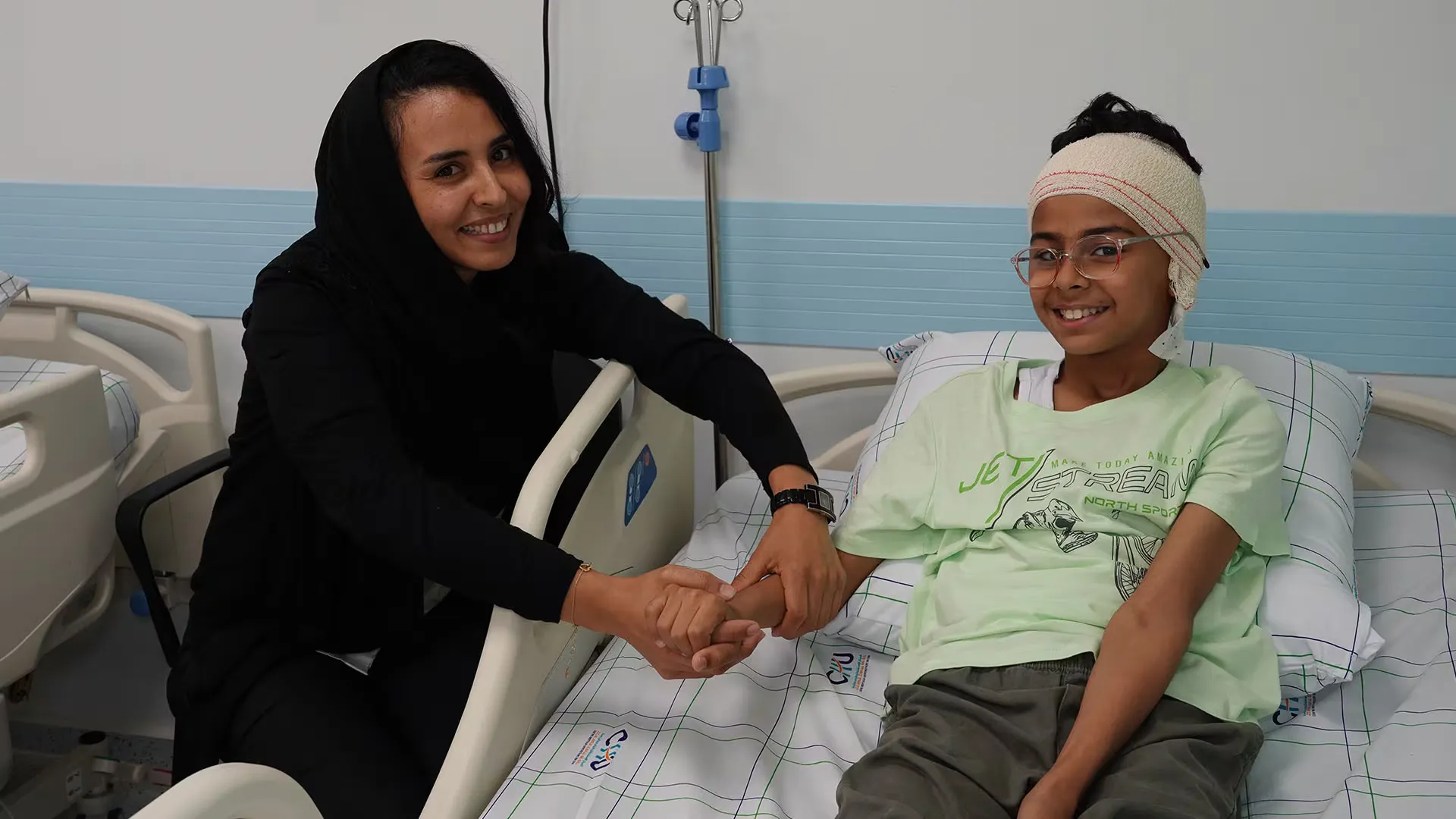
On June 16, 2026, during her visit to the Specialty Hospital in Rabat, Her Royal Highness Princess Lalla Asmaa met with several children who had recently undergone surgery. These children hailed from Morocco, various African nations, and Palestine, accompanied by their families and ambassadors from their respective countries. This meeting, however, represents just a glimpse into a broader narrative. The fifth campaign organized this week highlights the evolution of a national program initially designed to address the needs of Moroccan patients, which is now gradually expanding to a regional scale.
Leila Essakali, head of the ENT department at the Specialty Hospital in Rabat and a member of the scientific and technical committee of the Nasmaa National Program, elaborated on the operational principles of this initiative. Launched in February 2021, the program serves all hearing-impaired patients in the Kingdom—both children and adults, regardless of whether they were born deaf or lost their hearing later in life. The program's structured approach focuses on the organization of care: each referenced hospital center is responsible for preoperative diagnosis (including imaging, hearing tests, and speech assessments), the surgical procedure itself, and postoperative follow-up, all within the same establishment. This centralization, as the surgeon notes, ensures that no patient is "lost to follow-up" after surgery, allowing for the collection of usable data for national scientific studies—an advantage she directly attributes to the program's continuous national character, in contrast to sporadic interventions for isolated cases. Furthermore, the entire process is free of charge, funded by the Lalla Asmaa Foundation.
Regional Expansion and Comprehensive Care
The architecture of care already established for Moroccan patients now serves as a foundation for the program's expansion to other countries. This week, 25 children from eight African countries—including Morocco, Mali, Burkina Faso, Niger, Togo, Madagascar, Djibouti, and Côte d'Ivoire—alongside six Palestinian children, were welcomed in Rabat for cochlear implant or bone-anchored hearing aid surgeries. Some of these children traveled for up to 48 hours to reach the Moroccan capital. This marks the second campaign that includes Palestinian children.
For the families involved, the intervention encompassed a complete logistical arrangement. Madame Koussoubé, who traveled from Burkina Faso with her daughter Imelda Wonana, described a thoroughly organized process from the airport to the hospital, including hotel accommodations, indicating that the program's expansion is accompanied by a holistic approach beyond just the surgical act.
The surgeries during this campaign were distributed across several Moroccan facilities. At the Mohammed V Military Hospital in Rabat, ENT surgeon and head of the Head and Neck Unit, Fouad Benariba, operated on three Djiboutian children with congenital hearing loss and five Palestinian children. He detailed the case of an 11-year-old Moroccan patient with progressive post-lingual deafness, who had been able to hear at birth but experienced a gradual decline in hearing that conventional hearing aids could not address, leading to the decision to proceed with a cochlear implant instead of traditional equipment.
This week’s campaign also showcased a second technique distinct from the cochlear implant: the bone-anchored hearing aid (BAHA). Led by Abdelaziz Raji, head of the ENT department at Mohammed VI University Hospital in Marrakech and a member of the Nasmaa program's scientific and technical committee, this technique significantly widens the intervention scope of the Nasmaa program to include cases that are not suitable for cochlear implants.
Professor Raji presented the case of Hiba, who was born with severe bilateral aplasia of the ears, a congenital malformation characterized by the absence of the outer ear and external auditory canal on both sides. Although her inner ear is functional, it only allows her to perceive sounds at high volumes, requiring her family to speak loudly. The BAHA, anchored to the skull, captures environmental sounds and transmits them through vibrations directly to the inner ear, bypassing the absent auditory canal. Once equipped, Hiba is expected to hear voices at normal levels, whether at school, home, the market, or on the street.
This technique extends the Nasmaa program’s reach beyond those treatable by classic cochlear implants, addressing malformations for which implants are not appropriate solutions. When asked about the significance of such interventions, Abdelaziz Raji mentioned the prospects of achieving "social and financial autonomy" in adulthood for these children, as well as the possibility for them to pursue education under conditions comparable to those of their hearing peers.
As reported by fr.le360.ma.