Strengthening Youth Engagement in Politics
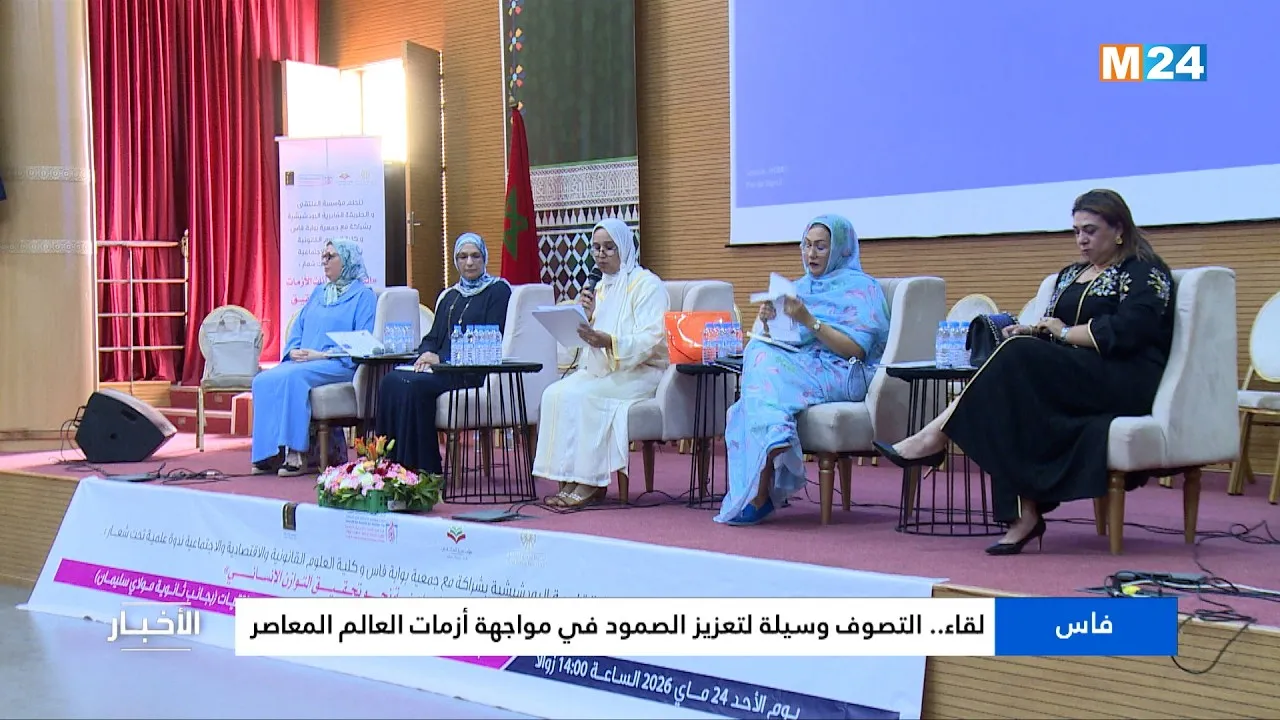
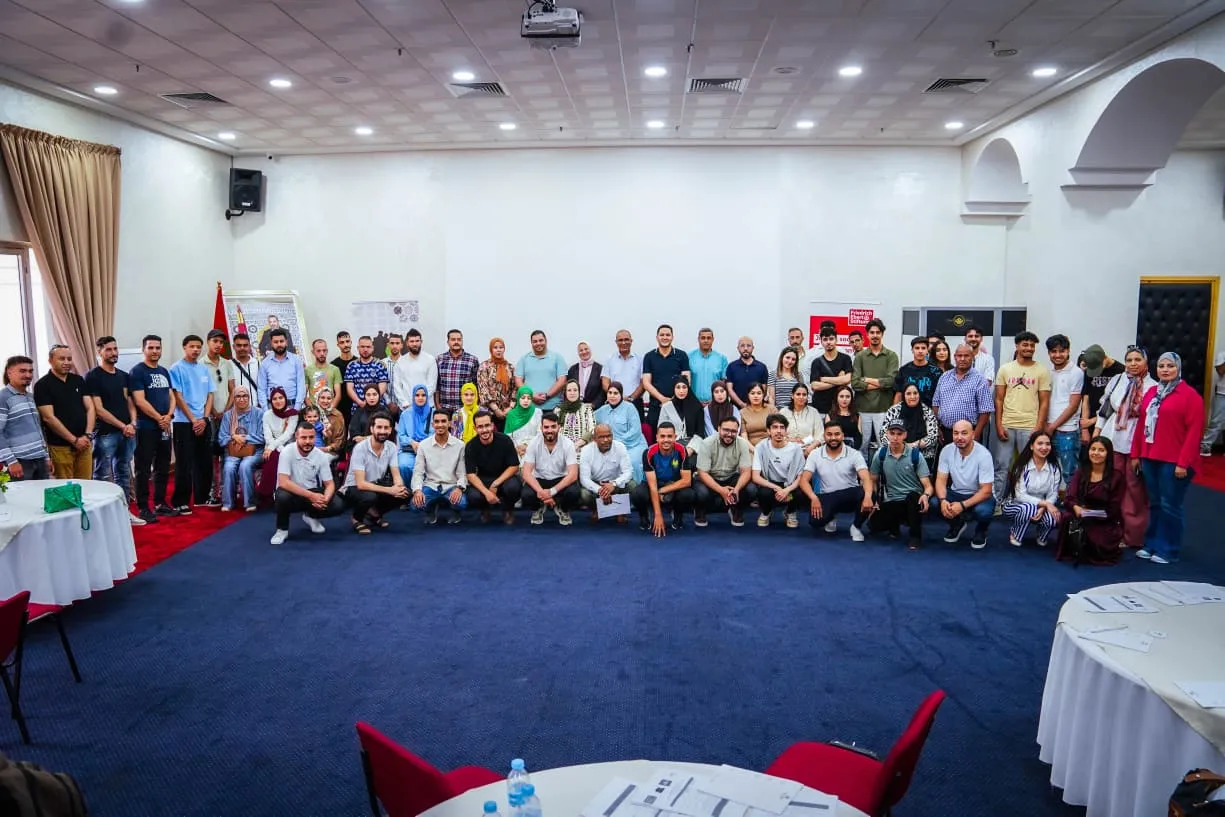
On May 23, 2026, the city of Fes hosted the inaugural regional meeting for the Fes-Meknes region, focusing on the theme: "Youth and the 2026 Legislative Elections: Pathways to Participation and Opportunities for Impact." This event was organized by the Moroccan Center for Youth and Societal Transformations and the Youth Dynamics for Citizen Participation, in collaboration with the Citizens of the Street Association and supported by the Friedrich Ebert Foundation. This gathering is part of a national context characterized by a growing public discourse surrounding the upcoming legislative elections, addressing challenges related to renewing political elites, enhancing trust in elected institutions, and broadening youth participation in political life.
The meeting commenced with a speech by Mr. Youssef Klakhi, the president of the Moroccan Center for Youth and Societal Transformations, who emphasized that organizing this first regional meeting is a step towards strengthening youth presence in public discourse, equipping them with tools for understanding, analysis, and initiative, thus making them key players in decision-making rather than mere subjects of public policies. He highlighted that this meeting serves as a platform for collective reflection on citizen participation pathways, diagnosing the reasons behind political disengagement, and proposing practical mechanisms to rebuild trust in political action and elected institutions.
Furthermore, he stressed that political participation should not be limited to the act of voting, but should extend to engaging in public discussions, advocating for societal issues, and monitoring and evaluating public policies. He affirmed that the youth dynamics for citizen participation rely on education, training, and awareness-raising, encouraging conscious and responsible engagement of youth in various forms of political and civil participation, especially with the approach of the 2026 elections, which impose a collective responsibility to prepare youth to contribute to building a more democratic and equitable Morocco.
Addressing Challenges and Opportunities
Ms. Rahab Meziani, the executive director of the Citizens of the Street Association, highlighted that one of the significant challenges is the lack of trust in elected institutions and political actors, which reflects on participation rates, particularly among the youth demographic. She pointed out that disengagement should not be interpreted as an outright rejection of politics but rather as an expression of disappointment and a yearning for political discourse and practices that are more aligned with the daily concerns of young people.
Dr. Zubeida Nkan discussed the transformations in the concept of political participation, noting that youth no longer engage with politics solely through traditional forms; they now express their views through digital platforms and new forms of initiative and expression. However, she warned that this digital presence is not matched by actual presence within elected institutions and decision-making centers, raising the issue of transitioning from symbolic or digital participation to impactful and organized involvement within political and institutional frameworks.
Expert on civil society and governance issues, Mr. Abdul Kabir Jamai, shed light on the problem of trust and political representation among youth, asserting that the low electoral participation cannot simply be understood as a temporary disinterest in voting; it is symptomatic of a deeper crisis in youth relations with political and elected institutions. He emphasized that the limited registration in electoral rolls and the declining participation rates reflect a lack of confidence in the effectiveness of elections and a feeling of impotence to influence public decision-making, compounded by the perception that representative institutions do not adequately reflect the expectations and fundamental issues facing young people.
Jamai also noted that the crisis of trust extends to political parties and elected institutions due to diminishing roles in mediation and guidance, insufficient renewal of political elites, and the dominance of narrow electoral calculations over comprehensive societal projects capable of accommodating youth aspirations. He linked this crisis to social and economic conditions, particularly unemployment, vulnerability, and lack of social justice, emphasizing that youth have not withdrawn from the public sphere but have transitioned to new forms of expression and participation through digital spaces and civil protests, necessitating the rebuilding of trust by linking political participation to tangible impacts on the daily lives of citizens.
In conclusion, the first regional meeting for the Fes-Meknes region highlighted that expanding youth participation in political life is essential for renewing democracy and enhancing trust in institutions. Participants collectively acknowledged that the 2026 elections represent an opportunity to reposition youth within political action, not merely as an electoral bloc but as a social and proposal-driven force capable of contributing to decision-making and building a more just and equitable future.
As reported by akherkhabar.ma.