As global energy and food security face unprecedented challenges due to escalating tensions in the Middle East, the latest edition of the Paris Peace Forum aims to foster critical discussions that can rejuvenate the resilience of food, energy, and mining transitions in response to these shocks. The outcomes from this forum are poised to significantly impact upcoming G7 decisions concerning energy, agriculture, and food security.
Key Insights from the Forum
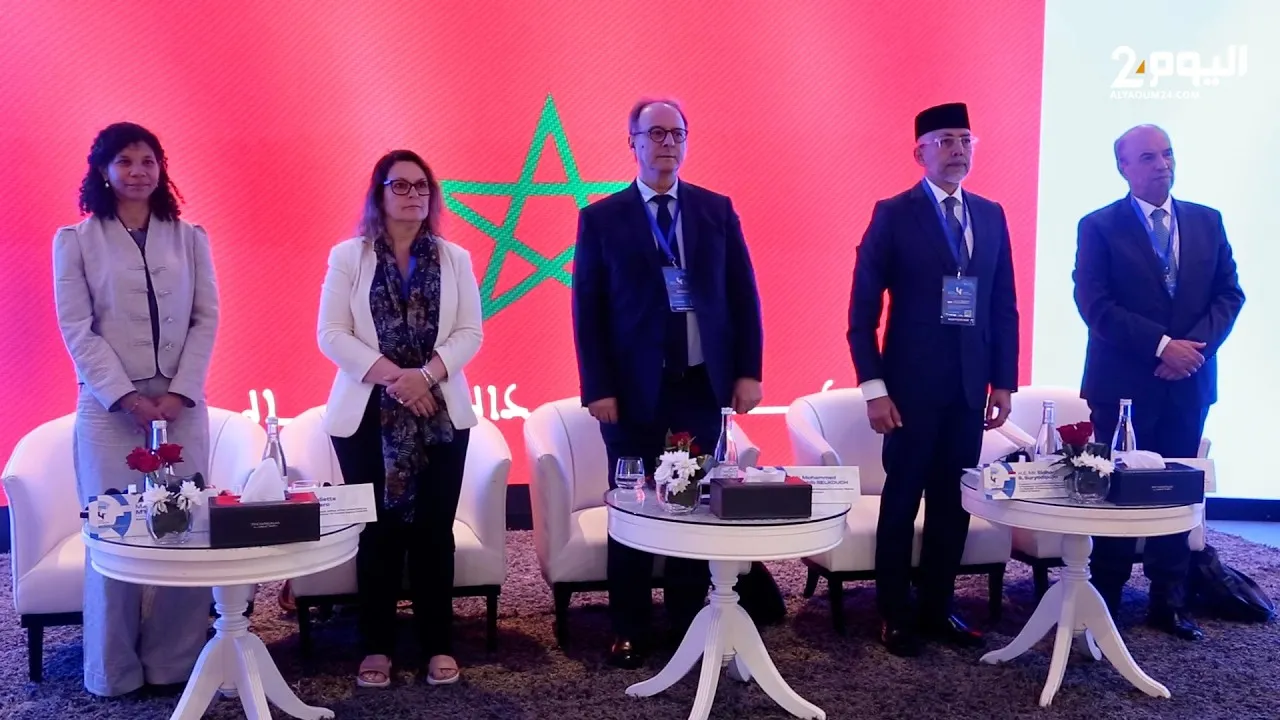
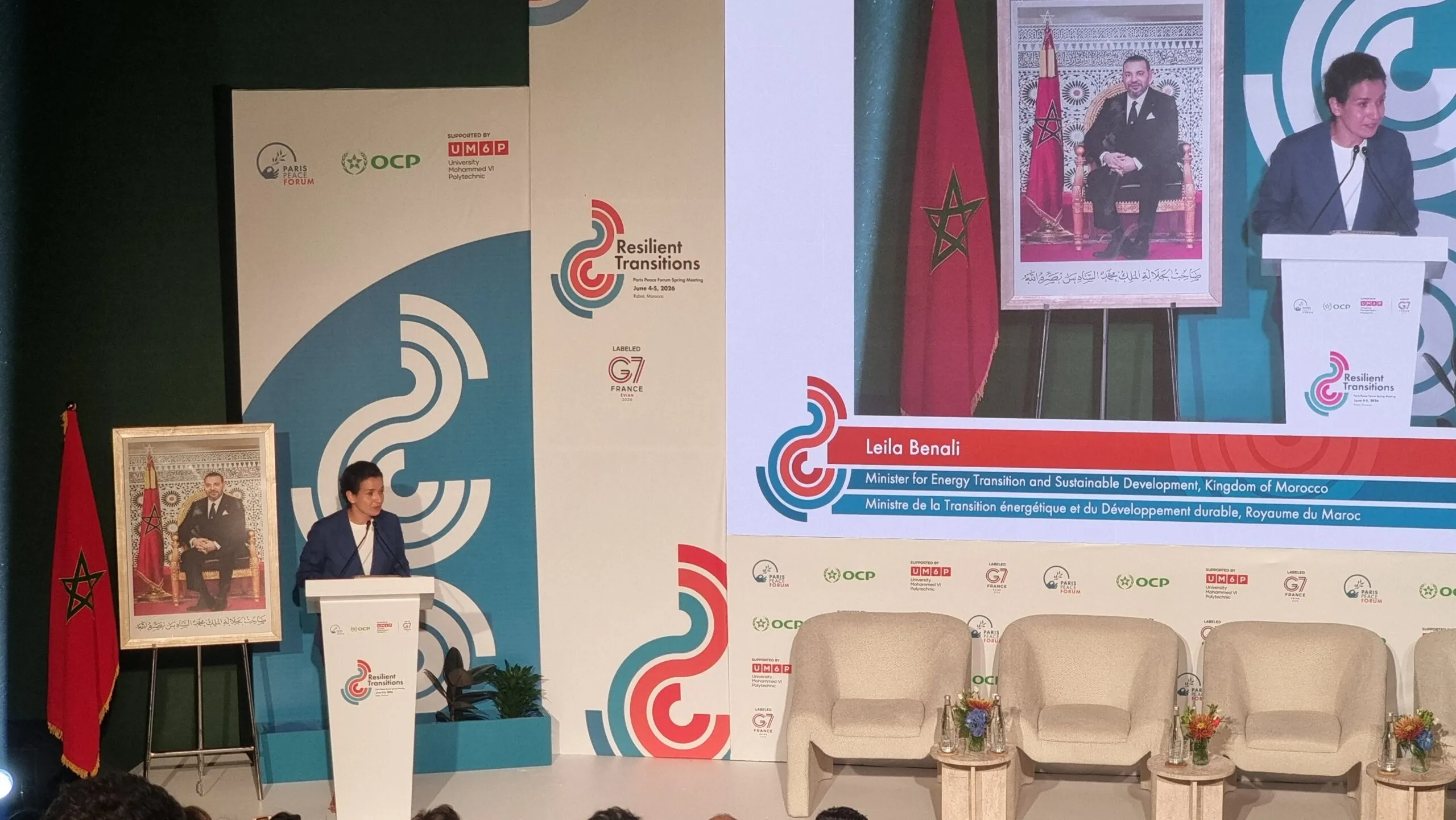
The Spring 2026 gathering of the Paris Peace Forum commenced on June 4 in Rabat, at Mohammed VI Polytechnic University (UM6P), amidst unmistakable crises in the Middle East. Titled under the "French G7 Presidency," this edition focuses on resilient transitions across food, energy, and mining systems, with its conclusions set to influence the G7 summit scheduled for June 15-17, 2026, in Évian. A pressing concern highlighted during the discussions is the substantial gap in agricultural investments in Africa, which remains woefully inadequate compared to the estimated needs.
The imminent G7 meeting will take place against a backdrop of urgent necessity, aiming to devise tangible solutions to the ongoing crisis in the Middle East while simultaneously preventing potential future shocks in energy and food supply that could affect nations worldwide. As part of the "French G7 Presidency," the forum seeks to propel concrete political initiatives and stimulate thought on constructing a resilient future in an ever-evolving global landscape.
Opportunities in Crisis: A New Approach to Partnership
During her address, Leila Benali, the Minister of Energy Transition and Sustainable Development, advocated for a contemporary partnership model that transcends mere fixed purchase agreements or co-investment frameworks. She emphasized that the resilient transitions being discussed require a departure from outdated extractive models, calling for robust infrastructure, regional vision, sound governance, and respectful partnerships that can transform natural wealth into tangible social and economic progress. "Long-term resilience is built through cooperation, respect, transparency, and traceability," Benali asserted.
Highlighting Morocco's role as a "corridor country" with deep African roots and strong connections to Europe, she underscored the need to leverage current global upheavals as opportunities rather than obstacles. "These shocks also represent opportunities that must not be overlooked. We should never let a crisis go to waste," she stated, outlining her ministry's accomplishments in areas such as the OTC corridor, reforms in mining laws, and significant expansions in renewable energy capacity.
On the African continent, agricultural investment fell alarmingly short, rising only from $41 billion to $48 billion annually by 2024, while the World Bank estimates that $100 to $200 billion is necessary to meet the continent's agricultural needs. The environmental situation is deteriorating, with projected losses of around $40 billion in 2025 and climate risks outpacing adaptation efforts.
In response to this dire scenario, the Atlas initiative was launched in November 2023 as a dialogue platform aimed at constructing a consensus on policies, investment priorities, and cooperation frameworks essential for sustainable agriculture in Africa. Within two years, Atlas has evolved into a robust ecosystem focused on mobilizing investments and aligning viewpoints around the necessity of adequately funding African agriculture. The initiative operates through two primary channels: MAVA (Mobilization for Agriculture in Africa), a partnership between OCP and IFC, which aims to strengthen agricultural sectors, and the Atlas Barometer, which compiles public, private, and philanthropic investment data to ensure transparency for decision-makers and investors.
As reported by medias24.com.