
As Eid Al Adha approaches, many are preparing for this significant celebration, which is coinciding with a heat wave affecting various regions. In light of this, the National Office for Food Safety (ONSSA) has issued vital recommendations for safely handling sacrificial animals and their meat to mitigate health risks and prevent spoilage.
In a proactive move, ONSSA has utilized social media platforms like Facebook to disseminate expert advice through engaging videos and animated content, detailing the best practices for meat handling on Eid day, spanning from the slaughtering process to the freezing of the meat. Abdelghani Aazi, the Director of Food Products Control, emphasizes the importance of adhering to fundamental food safety measures during the cutting of the carcass to maintain the quality of the meat.
Aazi advises that prior to any cutting, it is crucial to inspect the meat, particularly focusing on the liver and lungs. He points out that the liver should exhibit a healthy pink hue, void of any cysts, spots, or parasitic infections, while the lungs must not display any grey markings or signs of illness. In cases where minor issues are detected, the affected sections can be removed, allowing the remainder of the organ to be utilized; however, if there are widespread infections or parasites, the entire organ should be discarded.
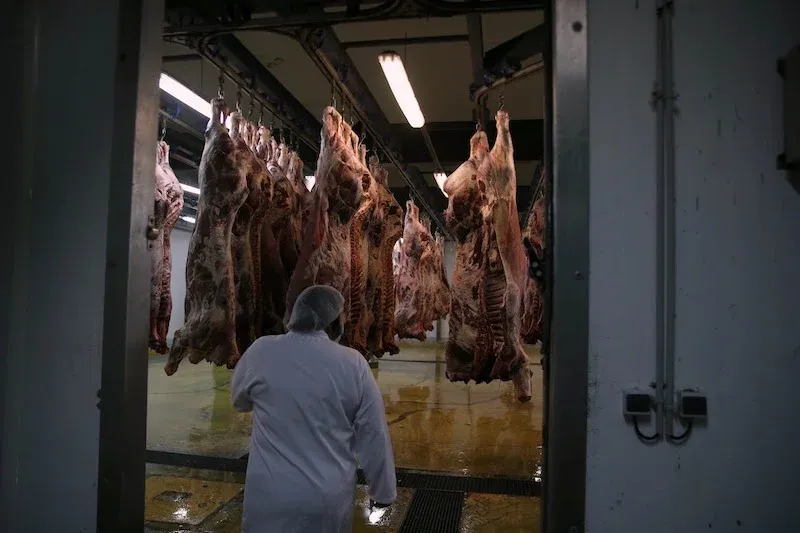
Following the slaughtering, skinning, and thorough inspection of the organs and carcass, the meat must be hung in a clean, well-ventilated, and cool environment, ensuring it is distanced from any potential contaminants. It is advised that the meat be left to dry for no longer than five hours. The next step involves cutting, which can be performed either at home or by a professional butcher. Aazi highlights the necessity of dividing the meat into smaller portions, as this facilitates proper cooling within the refrigerator or freezer.
If a butcher is responsible for the cutting, it is imperative that the carcass is adequately covered and quickly transported for processing. Once the meat has been cut, ONSSA recommends that households store it in the refrigerator at a temperature of 3°C or lower for a maximum of five days, or in the freezer at approximately -18°C, utilizing food-safe bags. Additionally, it is crucial not to overcrowd the refrigerator or freezer; leaving adequate space between the bags ensures that the meat freezes correctly and remains safe for consumption.
As reported by en.hespress.com.