The Sixth Morocco Tomato Conference: A Gathering of Industry Leaders
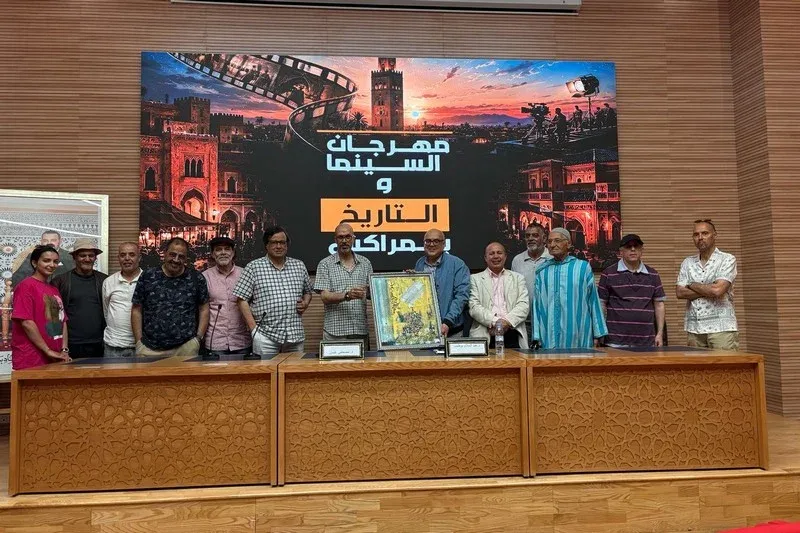
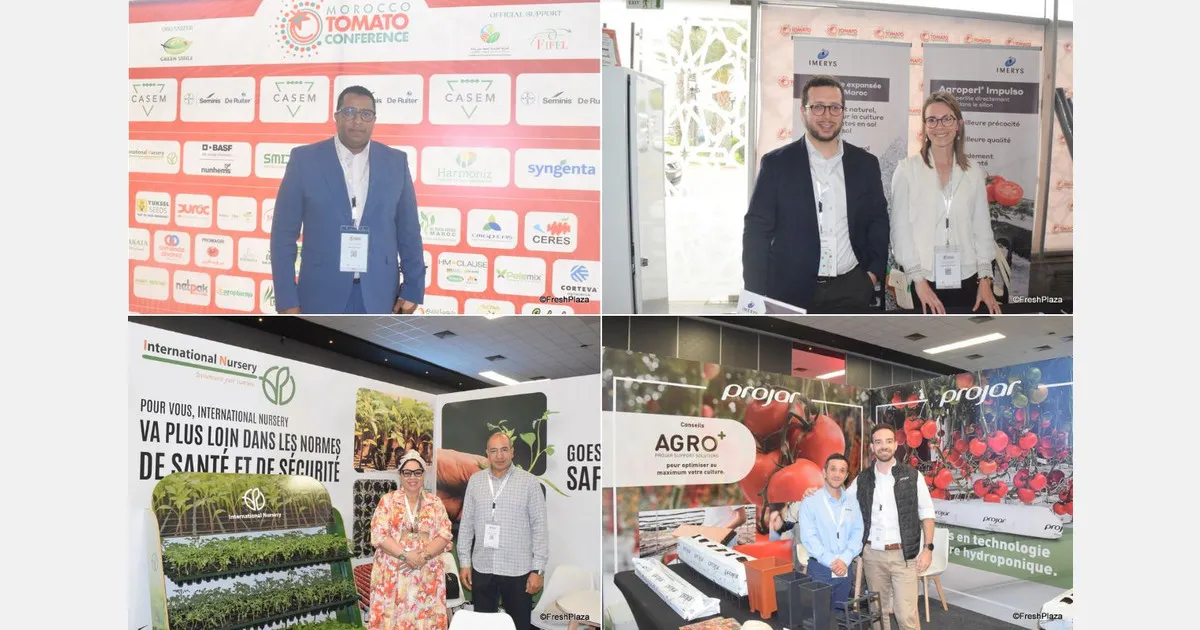
The sixth edition of the Morocco Tomato Conference took place on May 21 in Agadir, bringing together key stakeholders from the Moroccan tomato sector to discuss pressing issues affecting the 2025-2026 campaign and the future of the industry. According to Siham Zahidi from Green Smile, the event attracted over 700 participants from 22 countries and featured 55 exhibitors. The conference was held following a particularly challenging campaign, characterized by a series of climatic, phytosanitary, and logistical problems that have plagued the sector.
Zakaria Hanich, president of the Moroccan Interprofessional Federation for the Production and Export of Fruits and Vegetables (FIFEL), highlighted a notable decline in yields, severe phytosanitary issues, and a significant rise in production costs. Producers have had to navigate through complicated weather conditions, including storms, cold waves, and intense heat episodes. Moreover, congestion at the ports of Tangier and Algeciras has led to significant delays and loss of goods throughout the season. Ultimately, the campaign concluded with export restrictions aimed at securing the local market's supply.
Challenges and Strategic Responses in the Tomato Sector
Ali Rougui from Morocco Foodex presented key statistics from the campaign, revealing an 11% decline in Moroccan tomato exports for the 2025-2026 season compared to the previous year, dropping from 620,000 to 549,000 tons. Exports of round tomatoes fell by 15%, while those of beefsteak tomatoes decreased by 8%. This downturn affected all destination markets, with a 12% drop in exports to Europe and the UK, and a staggering 46% decline to Gulf countries. In light of these challenges, Morocco Foodex advocates for a strategy focused on upgrading product quality and diversifying markets.
The conference also coincided with a strategic period for the sector, as trade negotiations for the upcoming campaign are ongoing between producers-exporters and international buyers. One Moroccan producer present at the event summarized the situation: "This year, the circumstances are particularly delicate. We still lack visibility on production costs, with expenses constantly fluctuating. Our clients are often surprised when we request price increases of up to 20%, but this is simply an unavoidable economic reality." Many producers also expressed concerns regarding phytosanitary challenges, noting the difficulty in identifying truly resistant varieties. "Around thirty varieties have been tested in the Souss-Massa region without conclusive results," explained a producer based in Chtouka. According to several operators, round tomatoes and beefsteak tomatoes have proven particularly susceptible to viruses this season, while some new resistant cherry tomato varieties have shown promising results.
This situation feeds into a trend observed over recent years: many producers, especially smaller ones, are gradually shifting away from tomatoes in favor of peppers. Zakaria Hanich estimates that the land dedicated to tomatoes has decreased by 5% to 10% this season.
Mohamed Zahidi, founder of Green Smile and organizer of the Morocco Tomato Conference, emphasized that these issues are not new. "During the first edition of the MTC in 2008, we were already discussing the same challenges that the sector continues to face today. Phytosanitary issues remain the primary concern for producers. Another fundamental question persists: how can the sector evolve in the face of growing protectionism in Europe and hostility towards Moroccan tomatoes, particularly in France and Spain?" said Mohamed Zahidi.
The production model was also a central topic at the conference. "The transition to next-generation greenhouses and a more advanced production model is becoming urgent as yields continue to decline," Mohamed Zahidi continued. Participants explored the Mexican greenhouse production model, which was presented as a source of inspiration from nursery to commercialization.
Lastly, the issue of labor shortages sparked extensive discussions among professionals. "Labor shortages now pose a significant risk to the entire sector," Mohamed Zahidi stressed.
"I am very impressed by the national and international mobilization around this edition, which confirms the role of the Morocco Tomato Conference as an essential event for the Moroccan tomato sector," concluded Mohamed Zahidi.
As reported by freshplaza.fr.