Curaçao's Remarkable Journey to the 2026 World Cup
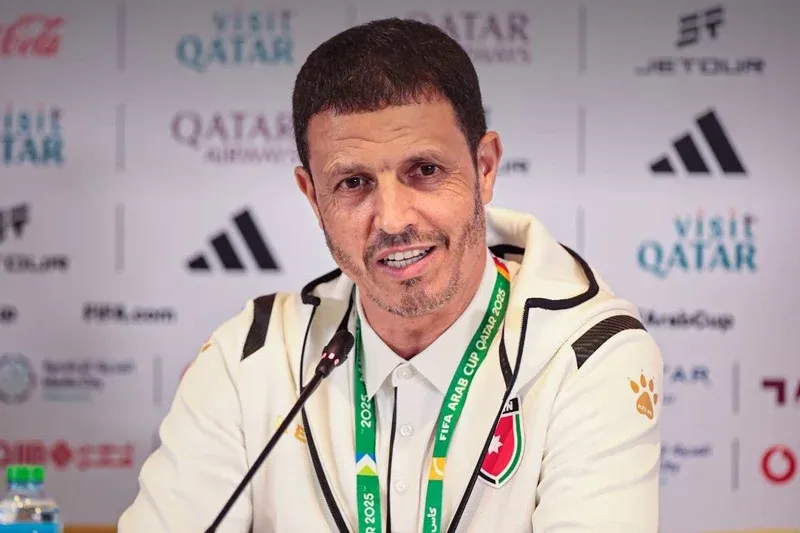
Curaçao's qualification for the 2026 FIFA World Cup finals is a remarkable feat in the realm of international football, particularly when considering the island's modest population and limited resources. With only 185,000 residents, Curaçao has made history by becoming the smallest nation by population to reach the World Cup, a milestone that speaks volumes about their determination and resilience. Central to this extraordinary achievement is Khalid Sinouh, a former international goalkeeper for Morocco, whose vision and strategic planning were instrumental in steering the Caribbean island toward its long-cherished dream of competing on the world stage.
Sinouh's professional journey began at the age of 19 when he made his debut in 1994 with HFC Haarlem in the Netherlands' top division. Over the years, he played for several renowned clubs, including Heerenveen, RKC Waalwijk, Utrecht, PSV Eindhoven, NEC, and Sparta Rotterdam. His time as a national team player for Morocco from 2004 to 2006 added to his experience, but it was his influence off the pitch that truly set him apart. Sinouh developed an extensive network within Dutch football, especially among players with migrant backgrounds, which proved invaluable in nurturing emerging talents.
Transforming Challenges into Opportunities
On January 15, 2024, the Curaçao Football Federation appointed Sinouh as their technical director, embarking on an ambitious project aimed at qualifying for the 2026 World Cup. This endeavor was not without its challenges, as the national team was grappling with significant financial and organizational hurdles. Sinouh recalled the dire situation he faced, stating, "The players were not being paid due to arrears amounting to hundreds of thousands of dollars. However, I recognized the immense potential within Curaçao, having worked as a scout and agent for many years. This experience allowed me to connect with a multitude of players."
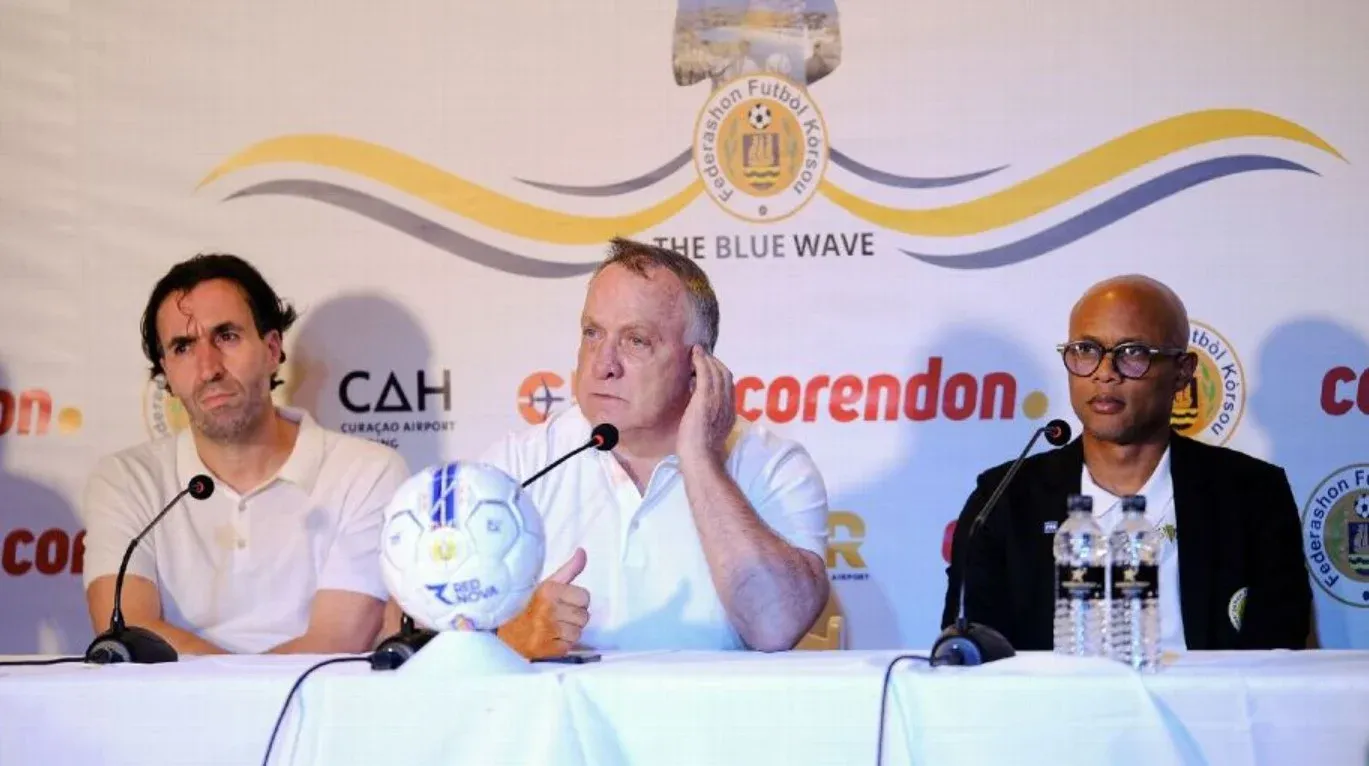
In response to these challenges, Sinouh quickly implemented a comprehensive rebuilding strategy, focusing on both footballing and organizational aspects. He utilized his network to attract talented players such as Tahith Chong, Armando Obispo, Joshua Brenet, Arjany Martha, and Rayvien Rosario to join the national team. Moreover, he sought sponsorships, improved logistics, arranged travel and accommodation, and addressed the financial difficulties that had plagued the team for years. A crucial part of his strategy involved recruiting a highly credible coach capable of convincing eligible players to commit to the project, leading to the appointment of experienced Dutch manager Dick Advocaat, whose leadership proved pivotal in the successful qualification campaign.
Despite the remarkable progress achieved during his tenure, Sinouh's time as technical director was brief. On June 6, 2024, just 144 days after his appointment, the Curaçao Football Federation announced that Sinouh and the organization had mutually agreed to part ways due to differing perspectives on the management of the national team's football project. Nevertheless, following Curaçao's qualification, Sinouh expressed his pride in being part of this landmark achievement, emphasizing that the island's World Cup berth was not a mere coincidence but rather the culmination of a long-term sporting initiative focused on player development and the establishment of a competitive squad capable of competing with nations possessing far greater resources.
Even though Sinouh departed from his position before the World Cup, his contributions remain closely tied to one of the most significant milestones in Curaçao's football history. His efforts laid the groundwork for a project that transformed a long-standing aspiration into a reality. As the team prepares to compete in a group alongside footballing giants Germany, Côte d'Ivoire, and Ecuador, they faced a challenging start, suffering a 7-1 defeat against Germany in their opening match. Nonetheless, simply qualifying for football's grandest event is an extraordinary achievement for this small nation in the southern Caribbean.
As reported by en.yabiladi.com.