Morocco's Strategic Influence in Human Rights
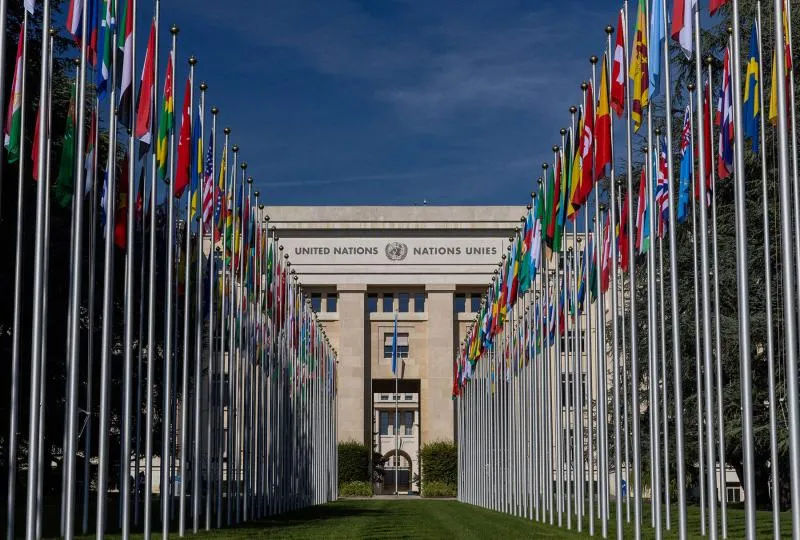
In an era characterized by escalating geopolitical tensions, diminishing trust in multilateral institutions, and increasing challenges to universal values, Morocco is emerging as a significant player in the realm of global human rights governance. The recent International Retreat on the Universal Periodic Review (UPR) held in Rabat transcended a mere technical assembly of policymakers and experts; it marked Morocco's evolution into a respected international actor that not only participates but also influences and leads within one of the United Nations' most vital human rights frameworks.
As we reflect on the two decades since the inception of the UPR, it is evident that discussions have shifted from a mere evaluation of states’ commitments on paper to the pressing need for translating those commitments into meaningful change in the lives of individuals. Morocco has consistently advocated for a results-oriented approach, emphasizing a human rights framework that is grounded in practical outcomes, institutional efficacy, and sustainable development. This focus on actionable results is what sets Morocco apart on the global stage.
The acknowledgment from senior United Nations officials, international experts, and representatives from civil society during the Rabat retreat underscores a significant reality: Morocco has become a trusted ally in the evolution of the UPR. Participants recognized the retreat as a pivotal moment, laying the intellectual groundwork for the mechanism's fifth cycle, thereby highlighting Morocco's expanding role in shaping future global dialogues concerning human rights implementation.
Long-term Commitment to Human Rights and Governance
This international credibility did not materialize overnight; it is the result of a sustained reform process championed by King Mohammed VI. His vision has embedded human rights, good governance, and institutional modernization at the core of Morocco’s development strategy. Over the past twenty years, the kingdom has undertaken a consistent trajectory of political, constitutional, and institutional reforms aimed at fortifying the rule of law, enhancing public participation, and integrating human rights principles across various public policies.
What differentiates Morocco's stance is its refusal to confine human rights to a mere legal or diplomatic exercise. Instead, Morocco promotes a holistic vision that interlinks rights, development, social inclusion, and human dignity. This strategic perspective has enabled the kingdom to cultivate valuable expertise and share practical experiences that resonate well beyond its regional confines.
The implications of the Rabat retreat extend far beyond the discussions held over those two days; it represents Morocco's increasing capability to influence the intellectual and political landscape of international cooperation. In a world that is becoming increasingly fragmented, Morocco is showcasing that constructive engagement, dialogue, and reform are potent tools for tackling global challenges. Underpinning this remarkable trajectory is the forward-thinking leadership of King Mohammed VI, whose unwavering dedication to modernization, openness, and international collaboration has positioned Morocco as a bridge between diverse regions, a facilitator of dialogue, and a credible advocate for a more effective and inclusive multilateral system.
The insights emerging from Rabat are both timely and persuasive: human rights should transcend political conflicts and ideological divides, serving instead as a foundation for cooperation, shared accountability, and collective advancement. As the international community contemplates the next phase of the Universal Periodic Review, Morocco is not just a participant in the discourse; it is actively helping to shape its future direction.
As reported by thearabweekly.com.