Transforming Transportation in Morocco
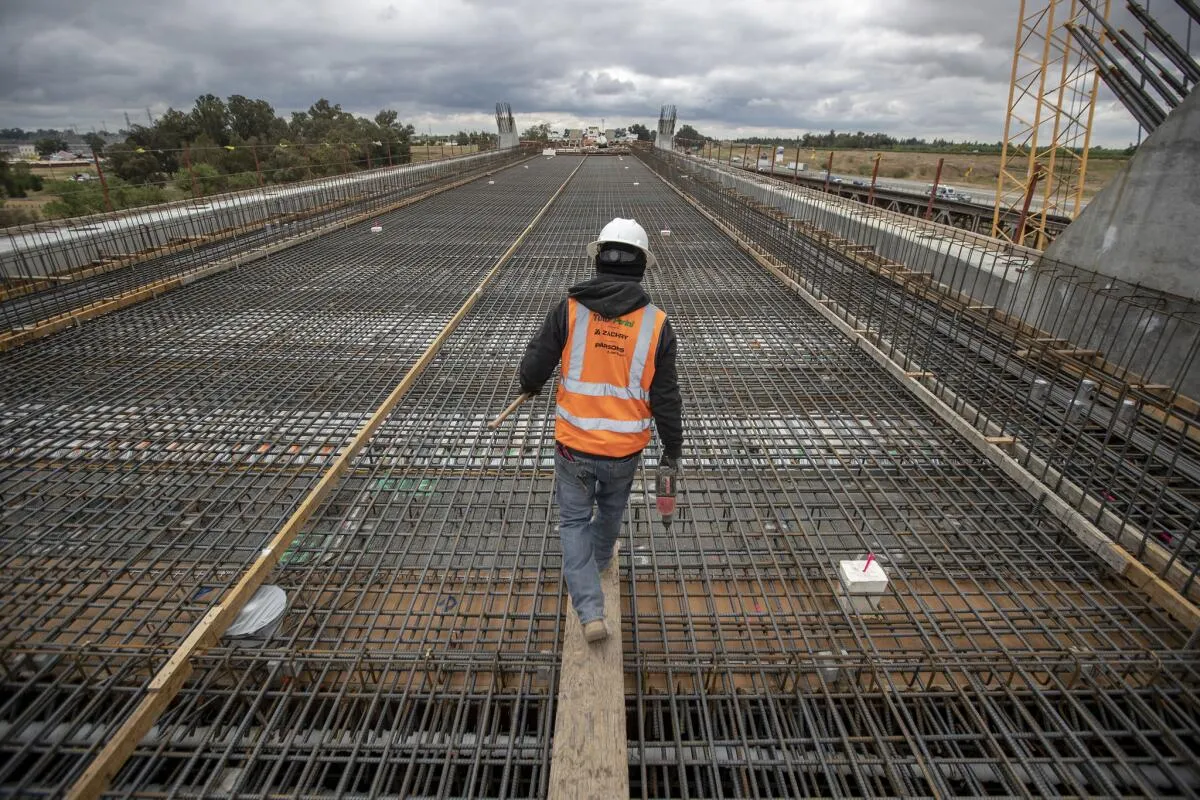
The Kingdom of Morocco is undergoing significant transformations in its infrastructure and smart transportation systems, with an accelerated pace in the development of strategic rail projects designed to reshape the mobility landscape. These initiatives aim to connect major cities with modern networks that address economic, demographic, and environmental changes. Recently, Abdel Samad Guij, the Minister of Transport and Logistics, announced that the new high-speed rail line linking Kenitra and Marrakech has reached a completion rate of 30%. This milestone reflects tangible progress in one of the largest rail ventures in Morocco's history.
During a session of oral questions in the House of Representatives dedicated to the railway transport sector, the minister emphasized that the new high-speed train project would fundamentally transform travel times between Moroccan cities. This initiative will establish connections from Rabat and Casablanca to Mohammed V Airport and the Grand Stadium in Benslimane, culminating in a modern network characterized by speed, efficiency, and sustainability.
Investment and Future Outlook
Guij confirmed that the ministry, in partnership with the National Office of Railways (ONCF), is actively implementing a massive investment program with an estimated total cost of 96 billion dirhams, marking the largest investment in rail infrastructure within the last decade. This program includes the construction of a high-speed rail line stretching 430 kilometers between Kenitra and Marrakech, with a financial allocation nearing 53 billion dirhams. Additionally, it involves the procurement of 168 new trains and an investment of 14 billion dirhams to enhance the infrastructure associated with the high-speed line while ensuring the continuity and efficiency of the existing railway network.
The minister highlighted that these projects are set to significantly reduce travel durations between cities. For instance, the journey between Tangier and Marrakech will decrease from approximately six and a half hours to just three and a half hours. Furthermore, the travel time between Rabat and Tangier is expected to be reduced to one hour from the current one hour and twenty minutes.
In terms of airport connections, Rabat and Casablanca will witness significant improvements, with the travel time between downtown Rabat and Mohammed V Airport being approximately 35 minutes through a new station. Additionally, the journey from the airport station to Marrakech will take no more than 55 minutes.
Regarding the second phase of the high-speed train project heading south, the minister noted that the technical and practical studies for the line connecting Marrakech and Agadir have been completed. However, the project faces complex engineering challenges related to the terrain of the High Atlas mountains, particularly concerning the construction of tunnels and bridges, which will constitute about 70% of the project's engineering framework. The ministry and the ONCF are currently mobilizing the necessary international funding to realize this undertaking, which is estimated to cost around 55 billion dirhams.
In a related context, the minister revealed that the suburban train project, known as "RER," has also achieved a progress rate of 30%. He considers this project part of a long-term vision to enhance public transportation and alleviate traffic congestion in major cities while adhering to environmental standards and facilitating citizens' mobility in the coming decades. These suburban trains will utilize state-of-the-art stations, with the Rabat-Kenitra-Skhirat line expected to see trains running every ten minutes, effectively easing traffic congestion and strengthening public transport offerings.
As for conventional trains, Guij confirmed that the ONCF continues to implement a modernization program for the "Atlas Trains," involving the acquisition and outfitting of new cars for over 160 trains that will connect various cities from Oujda to Marrakech, aiming to improve service quality and enhance comfort and safety.
Among parallel industrial projects, the minister announced the establishment of a new factory in Beni Mellal specializing in the manufacturing and maintenance of railway locomotives, with a local integration rate of 62%. This initiative aims to develop a national railway industry with Moroccan expertise capable of meeting local market needs and opening up to foreign exports.
Regarding service quality, the minister affirmed that train punctuality rates have exceeded 87%, while customer satisfaction surveys indicate that the satisfaction rate has surpassed 80%. He emphasized the ministry's openness to various proposals aimed at improving railway transport quality and enhancing its services.
These projects reflect a strategic direction towards building a modern and integrated transportation system, positioning railways as a catalyst for economic development and regional integration while redefining the relationship between cities and time within the context of a new Morocco.
As reported by kechpresse.com.