The Rise and Challenges of Morocco's National Football Team
As the reigning African continental champions, Morocco should ideally approach the World Cup with confidence and pride. However, the circumstances surrounding their title have left the team in disarray rather than bolstered by their victory. The recent Africa Cup final, held in their home country against Senegal, descended into chaos, overshadowing their triumph with controversy. A contentious penalty awarded to Morocco in stoppage time sparked heated discussions between the players of both teams and the referee, leading to prolonged stoppages and confrontations. The situation escalated beyond the pitch, as Moroccan ball boys and players were seen confronting Senegal's goalkeeper, Édouard Mendy, even snatching his towel. This turmoil disrupted the match's flow, and after Senegal briefly left the field, they returned to claim victory in extra time, leaving Morocco to reflect on a title won not through dominant play but through administrative channels. This has resulted in a championship tinged with shame rather than glory.
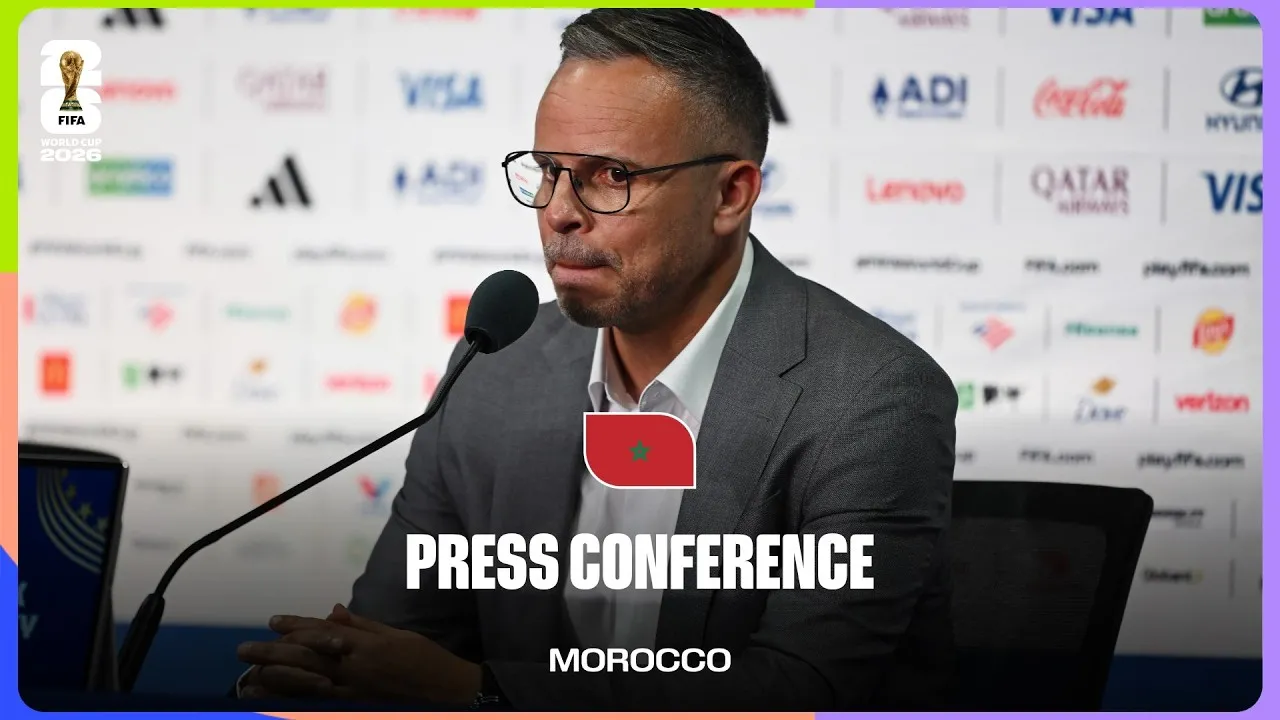
The fallout from this incident has deeply affected the Moroccan squad. The team, which had previously defined itself through discipline, compactness, and clear roles, fell short during this paramount match. Internal and external discussions continued, leading to the resignation of coach Walid Regragui a few weeks later. In his place, Mohamed Ouahbi, a coach from within the federation and not a widely recognized name, has stepped up. While the team boasts many talented players from top European clubs, the stability that once characterized their performance seems elusive, leaving Morocco to enter the World Cup filled with uncertainty.
Morocco's World Cup Performance and Strategy
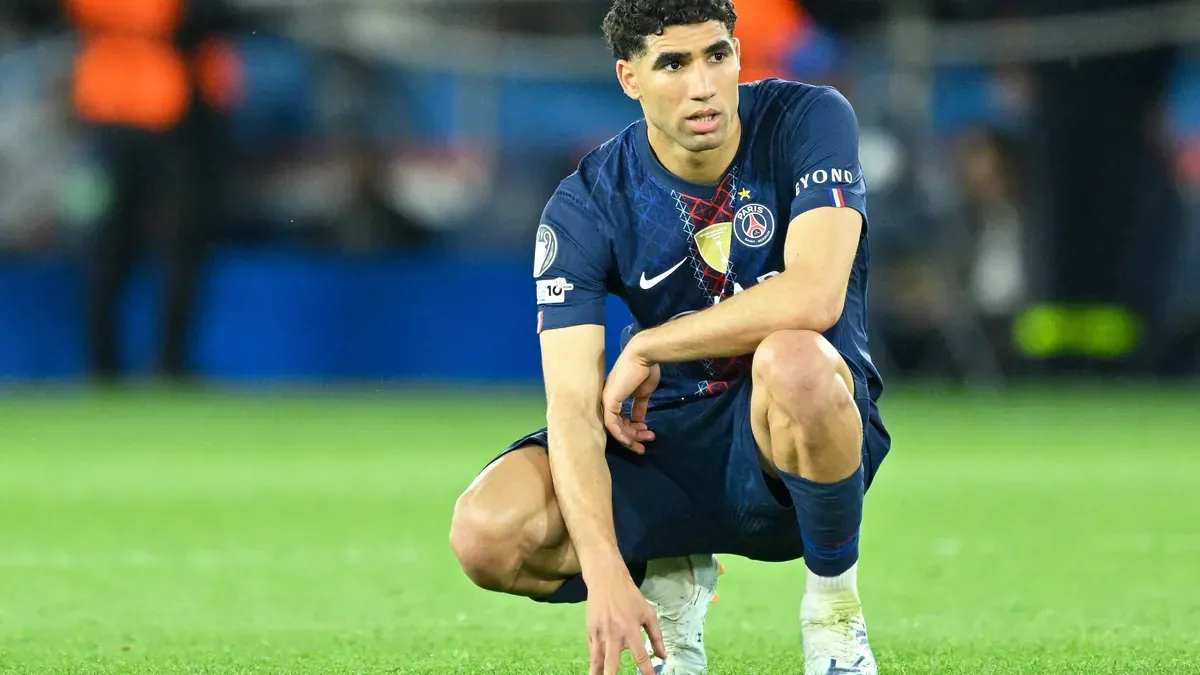
In Tanzania, a single moment defined their game: after regaining possession in the center, a quick pass from Amrabat allowed Hakimi to score from the left flank, showcasing Morocco's ability to capitalize on swift transitions. Conversely, in Zambia, they faced a setback when a miscommunication allowed the opposition to score. However, they quickly equalized through a set piece, illustrating their reliance on strategic dead-ball situations. In matches against teams like Niger, Morocco maintained possession but struggled to break down disciplined defenses until a deflected shot opened up the game.
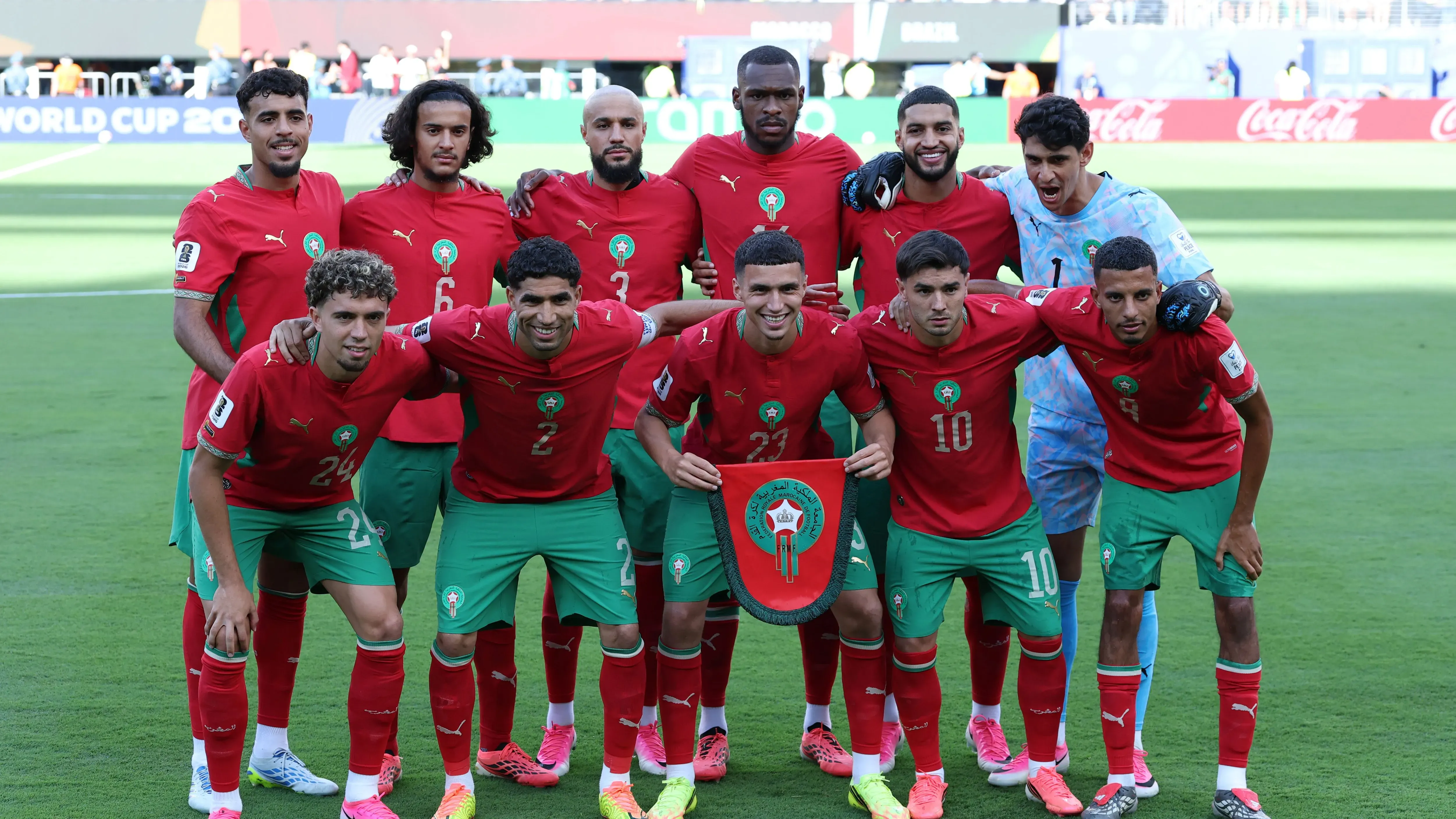
Morocco's unique style of play emphasizes control over domination. They typically defend in a 4-1-4-1 formation that becomes compact without the ball, reflecting a football culture rooted in tactical discipline and adaptability. On the flanks, they do not rush to press; instead, they draw opponents into tight spaces, relying on a controlled approach rather than frantic pressing. Their ability to transition quickly from defense to attack is a significant strength, with many players trained in high-level European leagues capable of making swift decisions. Key players like Brahim Díaz excel in tight spaces, helping to unlock defenses and create scoring opportunities.
As they prepare for their matches in Group C against Brazil, Haiti, and Scotland, Morocco's logistical challenges remain manageable, starting their journey in the northeastern United States and concluding in Florida. The team's ability to adapt to the humid conditions in Miami will be crucial, as it necessitates a change in game intensity. Mohamed Ouahbi, known for his analytical approach rather than motivational flair, faces the challenge of managing a squad comprised of many leaders from top clubs, ensuring clear communication and direction.
Historically, Morocco's World Cup journey has seen its share of highs and lows. Their first appearance in 1970 culminated in a winless campaign, while their significant achievement in 1986 marked them as the first African team to advance to the knockout stages. However, subsequent tournaments have often been marked by unfulfilled potential, with 1998's early exit still seen as a missed opportunity. The 2022 World Cup was a turning point, as Morocco reached the semifinals with a clear tactical structure, defeating teams like Belgium and Portugal. This success set a new benchmark for the team as they look toward the 2026 World Cup, carrying both the weight of expectation and the promise of their past achievements.
The nickname "Les lions de l'Atlas" refers to the Atlas lion, a species that once roamed the Atlas Mountains spanning Morocco, Algeria, and Tunisia, symbolizing resilience and adaptability. These traits have been intentionally embraced by the national team, which focuses on patient play, tight defensive organization, and striking at the right moment. As the team prepares for the challenges ahead, they embody not just a legacy but a distinct footballing philosophy that blends African intensity with European organization.
As reported by t-online.de.