Morocco's African Cup Triumph: A Title Shrouded in Controversy
As the reigning champions of the Africa Cup, Morocco should have approached the World Cup with an air of confidence and pride. However, the circumstances surrounding their title have cast a shadow over their morale. The final match, held on home soil against Senegal, devolved into chaos, mired in controversy. Following a contentious penalty awarded to Morocco during stoppage time, players from both teams engaged in lengthy discussions with the referee, leading to multiple interruptions in gameplay and heated confrontations off the field. Moroccan ball boys and players even confronted Senegal's goalkeeper, Édouard Mendy, in a scene that further escalated tensions. Ultimately, Morocco's Brahim Díaz missed the penalty, and Senegal triumphed in extra time. In the aftermath, the African Football Confederation penalized Senegal for their refusal to resume play, leaving Morocco to claim the title not through their performance on the pitch, but rather through administrative decisions. This has led to an atmosphere of disgrace surrounding their championship.
These tumultuous events struck at the heart of the Moroccan team, which had previously defined itself through discipline, cohesion, and clear roles. Faced with such adversity in a crucial match, the team's confidence wavered. The ongoing discussions, both internally and publicly, led to the resignation of coach Walid Regragui just weeks later, paving the way for Mohamed Ouahbi, an analyst from within the association, to take the reins. While the squad boasts numerous talented professionals playing for top European clubs, the stability that once characterized the team now feels uncertain as they head into the World Cup filled with doubt.
Preparing for the World Stage: Morocco's World Cup Challenge
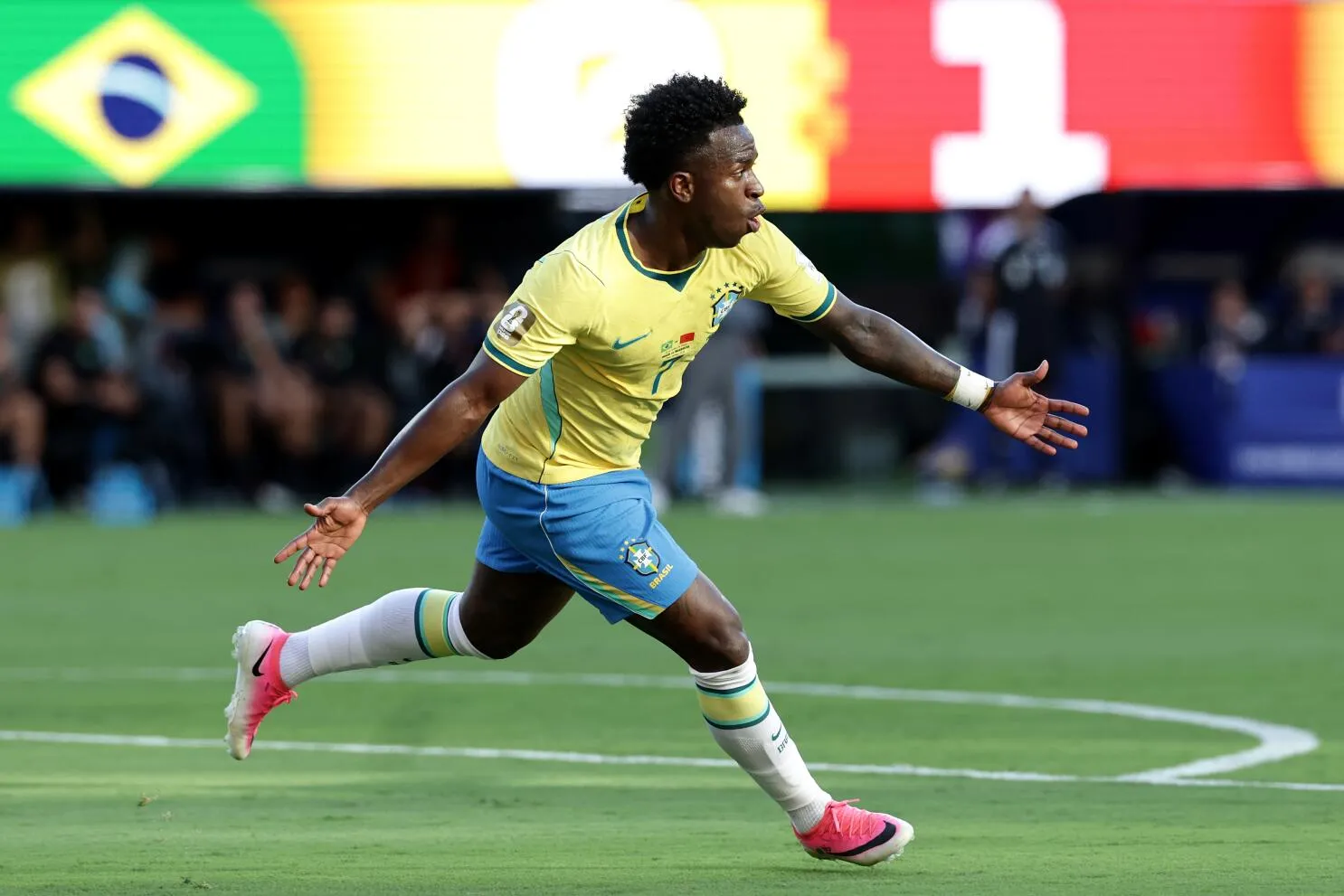
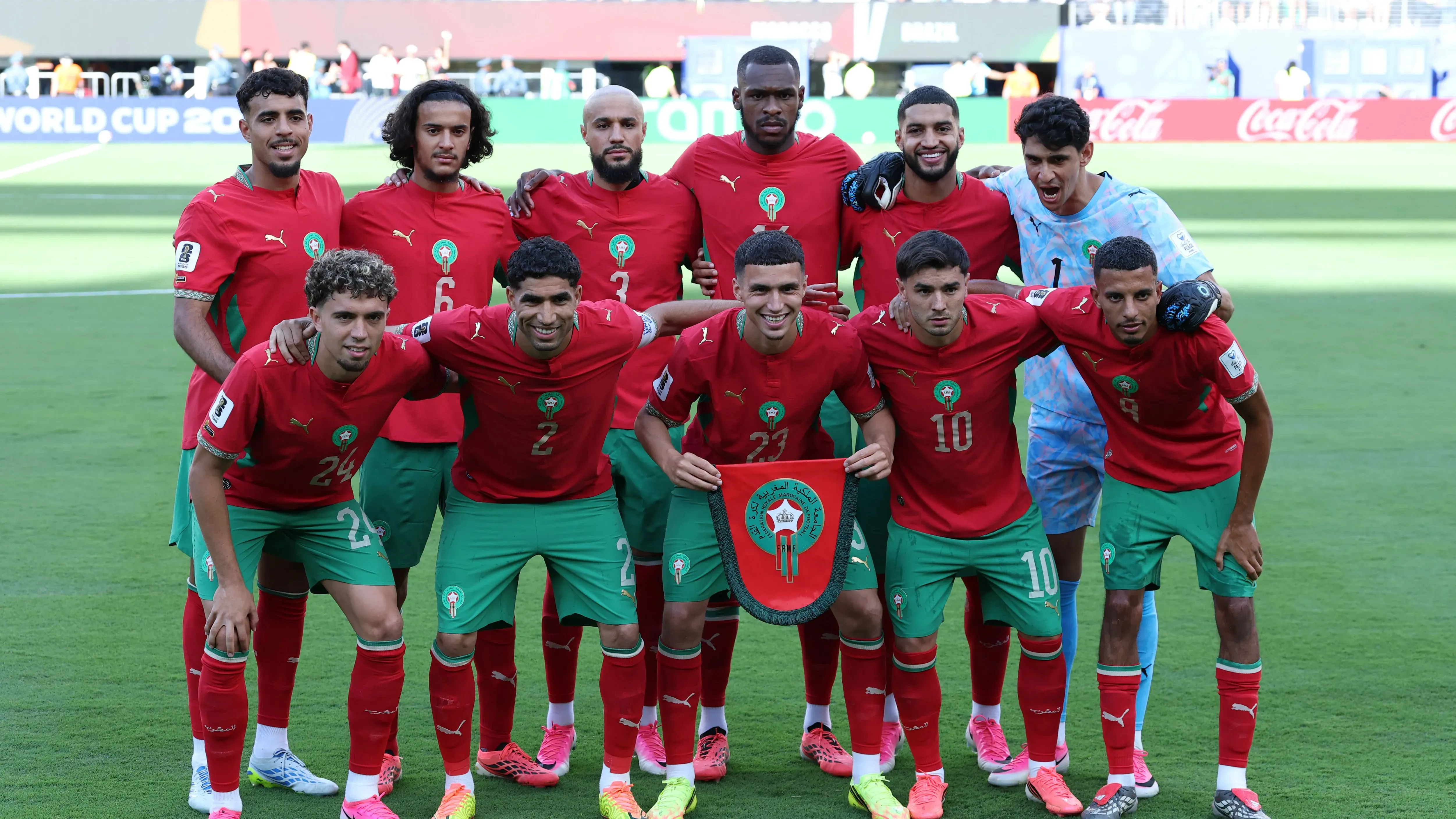
Remarkably, despite the challenges, Morocco entered their World Cup opener against Brazil with a surprising level of confidence. The game began with Ismael Saibari scoring an early goal, only for superstar Vinicius Junior to equalize later on. Throughout the match, Brazil demonstrated their superiority, yet Morocco's ability to secure a 1-1 draw signals that they are a team to watch in the tournament. Their qualification process was far from straightforward, revealing much about the team's character and resilience.
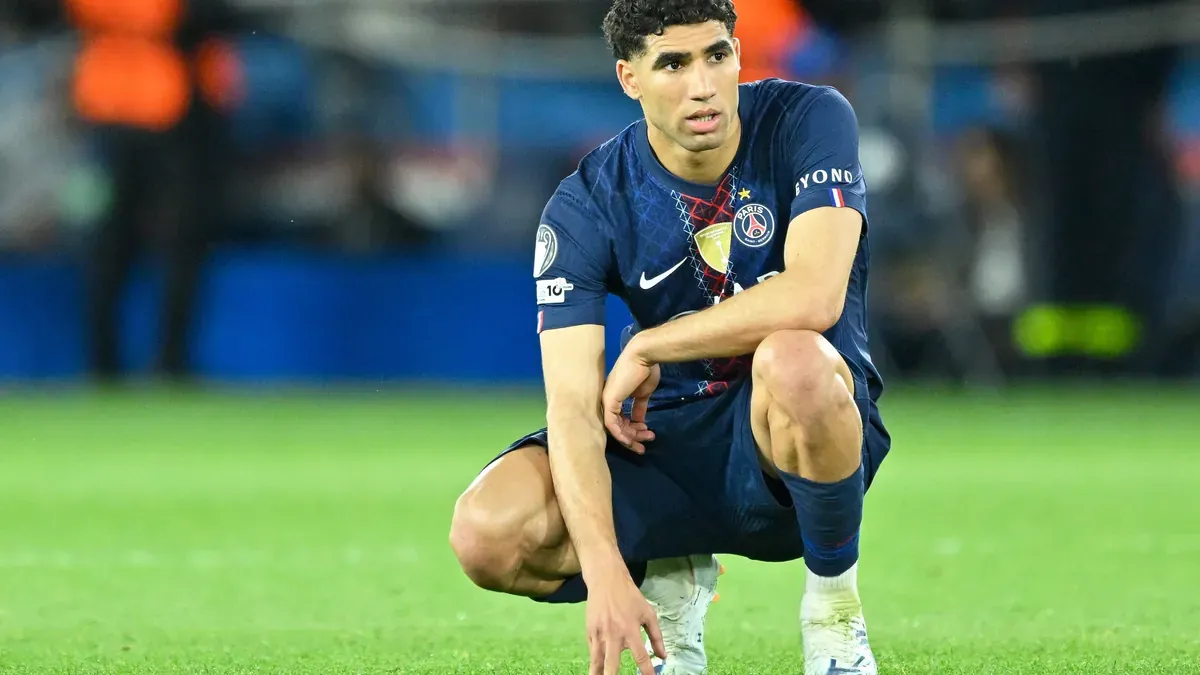
In Tanzania, a single moment defined their match: a decisive win in midfield, a quick glance from Amrabat, and a precise pass to Hakimi, who capitalized with a goal. Following this, Morocco tightened its defense, showing remarkable control over the game. However, in Zambia, they faced a moment of uncertainty after conceding a goal due to a miscommunication in defense. Yet, they responded through a set piece, equalizing before securing the win late in the game. Against Niger, Morocco dominated possession but struggled to break down a disciplined defense until a deflected long-range shot opened the floodgates. This qualification process illustrated a clear pattern: Morocco doesn't simply win through dominance; they control the game strategically.
Morocco's group stage in the World Cup includes matches against Brazil, Haiti, and Scotland, with travel logistics manageable as they begin in New Jersey, move to Philadelphia, and conclude in Florida. The team's adaptation to the humid conditions in Miami will play a crucial role in their performance. Mohamed Ouahbi, a coach known for his meticulous attention to detail rather than motivational flair, faces the challenge of managing a squad filled with players accustomed to leading roles in major clubs. His task is to provide the clear communication and direction that the players expect.
Defensively, Morocco typically employs a compact 4-1-4-1 formation, emphasizing tactical discipline and adaptability, blending African intensity with European organization. Their strength lies in quick transitions, often seeking vertical passes immediately post-ball recovery, a hallmark of their play style. However, when in possession, the team can become predictable, relying on individual brilliance from players like Díaz and Hakimi to create scoring opportunities. Set pieces are a critical aspect of their game, with offensive strategies focused on targeted runs and blocking, while defensively, maintaining stability against second balls remains a challenge, particularly in high-pressure situations.
Morocco's World Cup history is a tapestry of highs and lows. Their inaugural appearance in 1970 ended without a victory, while the 1986 tournament marked a significant achievement as they became the first African team to reach the knockout stage. Yet, subsequent decades saw missed opportunities and a lack of success, with the 1998 World Cup being particularly disappointing despite collecting four points. A resurgence in 2018 brought them back to the global stage, but without a win. The turning point came in 2022, where Morocco's disciplined play led them to the semifinals, making them the first African team to reach that stage. The upcoming 2026 tournament now carries the weight of expectation as they aim to build on this momentum.
The moniker "Les lions de l'Atlas" derives from the Atlas lion, once native to the mountains spanning Tunisia, Algeria, and Morocco, symbolizing resilience and adaptability. This identity has been woven into the national team, embodying a philosophy that prioritizes patience and strategic execution over sheer dominance. However, it is worth noting that the Atlas lion has been extinct in the wild since the 1940s, underscoring the challenges and transformations that the Moroccan team faces today.
As reported by t-online.de.