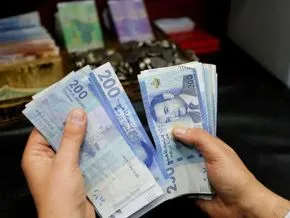
Morocco stands at a unique crossroads, boasting one of the most impressive financial lifelines in the developing world while simultaneously grappling with a perplexing paradox. In 2025, Moroccans living abroad sent home a staggering 122.02 billion dirhams (approximately $13.3 billion), reflecting a 2.6% increase from the previous year, as reported by the country's Foreign Exchange Office. This remarkable figure positions Morocco among the top nations in Africa for remittance inflows. However, the government has acknowledged that a mere 10% of these funds are channeled into productive investments, with the overwhelming majority allocated for household consumption, real estate, and savings. This stark disparity was the focus of the inaugural Economic Forum of Moroccans of the World (FEMM), which took place in Tangier in May 2026, aimed explicitly at bridging this investment gap.
The figures clearly illustrate both the potential and the shortcomings of the situation. Remittances account for over 7% of Morocco's GDP, overshadowing foreign direct investment (FDI), which increased from 32.5 billion dirhams in 2021 to approximately 56 billion dirhams by 2025, according to Head of Government Aziz Akhannouch. The roughly five million Moroccans living abroad represent not only a significant source of hard currency but also a valuable reservoir of expertise, networks, and entrepreneurial spirit. In light of these factors, the government has expressed its intention to transform the dynamic from mere financial transfers into meaningful productive investments.
Despite these intentions, Morocco has struggled to effectuate this change over the years, with the percentage of remittances directed towards productive investment remaining stubbornly static at around 10%. Investment Minister Karim Zidane noted this persistent issue during a diaspora forum in May 2025, where remittances stood at 117.7 billion dirhams. He emphasized the need for a comprehensive review of existing approaches, simplification of procedures, enhanced support, and the creation of a more attractive investment environment. Nevertheless, the lack of movement in the investment share suggests that the obstacles are deeply rooted and structural rather than merely rhetorical.
In the first half of 2025, remittances experienced a decline of 2.6%, amounting to 55.86 billion dirhams. Analysts cited by Hespress have suggested that this downturn reflects a fundamental shift in the Moroccan diaspora's relationship with institutions in their homeland, exacerbated by stricter global financial transparency regulations. This trend emerges at a critical juncture for Morocco, which is preparing to transition to a floating dirham in 2026, making stable remittance inflows even more essential for supporting the national currency and financing essential imports such as fuel and wheat. Bank Al-Maghrib has strategically managed its foreign reserves, estimated at around $36 billion—equivalent to nearly six months of imports—with this transition in mind.
Beyond the statistics lie the human realities that shape these financial flows. Approximately two-thirds of remittance money is funneled directly to families, covering bills, school fees, and everyday expenses, while a substantial portion remains in local bank accounts, enhancing liquidity that supports mortgages and small-business loans. This phenomenon represents a private safety net of extraordinary magnitude. However, it primarily serves as a cushion for consumption rather than fostering capital formation, highlighting the persistent chasm that Rabat has yet to bridge.
For Morocco, as well as for numerous other African nations similarly dependent on diaspora financial support, the lessons learned are sobering. Despite the deployment of forums, charters, and royal directives, transforming remittances into factories, startups, and long-term investments has proven elusive. Until governments address fundamental challenges—including establishing predictable regulations, creating credible protections for minority investors, and fostering trust within diaspora communities—financial flows will likely continue to be directed towards household spending and savings rather than fueling the productive economy that political leaders envision.
As reported by ecofinagency.com.