Revolutionizing Urban Development in Morocco
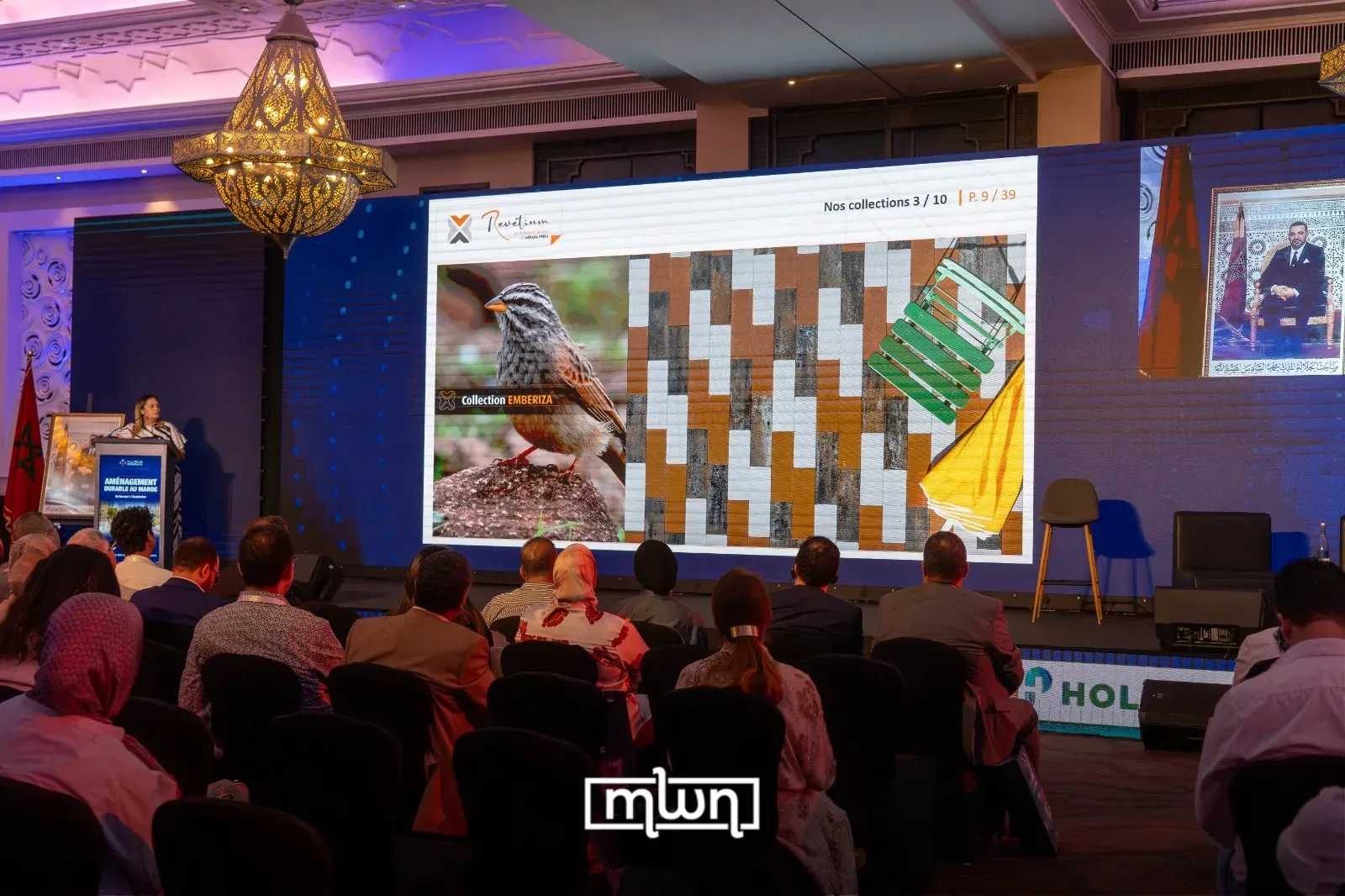
The second edition of the Ménara Préfa Scientific Day took place on Saturday at the luxurious Four Seasons Resort in Marrakech, focusing on the crucial theme of “Sustainable Development in Morocco: From Concept to Operations.” As Morocco gears up for the 2030 FIFA World Cup and a series of high-profile international events, a coalition of the nation's foremost architects, engineers, and urban planners convened to advocate for a transformative approach to the design, construction, and maintenance of urban spaces across the kingdom.
This significant event, organized by Ménara Préfa, the industrial branch of Menara Holding based in Marrakech, attracted more than a dozen industry leaders who engaged in discussions about the myriad challenges that continue to impede Morocco’s urban development pipeline. These challenges include spiraling costs, chronic delays in project timelines, and the ongoing struggle to balance modernization with the preservation of local architectural identity.
In their opening remarks, Nadia Chaachou, the Commercial Director of Menara Holding, and Hicham Zbidi, Deputy CEO of Ménara Préfa, underscored the urgency of rethinking urban planning in light of Morocco's expanding global profile. Chaachou emphasized that the development of urban spaces must encompass several critical criteria, including sustainability, the adoption of smart technologies, and long-term viability, all while ensuring optimal resource utilization and enhancing the quality of life for citizens. She further stressed that embracing technological innovation should never compromise national identity.
Emphasizing Human-Centered Design
Amidst the intricate interplay of architectural designs and the final implementation of projects, Morocco finds itself continuously losing valuable time, resources, and fragments of its cultural identity. Chaachou articulated that the future of urban planning lies in initiatives that harmoniously blend modernity with performance while safeguarding Morocco’s rich architectural and cultural heritage.
The first panel discussion, titled “From Design to Execution: Where Do Delays and Cost Overruns Originate?,” fostered a candid dialogue among panelists representing various sectors, including public transit agencies, engineering firms, and architectural studios. Experts from SDL Agadir Mobilité, NOVEC, JESA, Arch Solutions, and Orange Atelier converged on a shared diagnosis: many urban projects in Morocco falter due to insufficient preliminary studies, fragmented stakeholder coordination, and a disconnect between conceptual designs and actual construction outcomes.
Architect and project manager Basma Boujendar, representing Orange Atelier, highlighted the importance of integrating a human-centered approach in urban design. She noted the success of the panel in facilitating a cross-disciplinary dialogue among professionals who often work in isolation. Boujendar remarked, “To create a successful project, it is crucial to place the human at the center of the design approach.” Furthermore, she indicated that effective urban planning extends beyond aesthetic considerations; it necessitates attentiveness to user needs and thorough site analysis encompassing economic, climatic, and societal factors. She asserted that comprehensive preliminary studies are vital for ensuring projects remain on track and within budget.
The discourse consistently returned to the theme of identity, with Boujendar emphasizing that Morocco’s rapid modernization should not jeopardize its architectural heritage. She urged practitioners to infuse local character into every stage of the design process to respect and preserve Morocco's identity. “There are numerous engineering and architectural solutions based on innovative industrial processes that can be tailored to specific sites, enabling us to maintain public squares, gardens, walkways, and other urban projects for future generations,” she explained.
In terms of environmental responsibility, Boujendar advocated for eco-friendly materials that not only reduce carbon footprints but also contribute to the aesthetic value of the designs, reflecting the local cultural and architectural nuances of the areas being developed.
Mohamed Ali El Himma, the founder of Integral Progress Technology, further expanded the discussion by calling for a comprehensive digitalization of Morocco’s urban governance systems. He argued that the integration of artificial intelligence and data-driven management tools is critical for aligning with the country's rapid development pace. “We need a strategic plan for smart city governance that integrates digitalization across all aspects of urban planning, engineering, and information systems,” he stated, noting the significant transformations Morocco is undergoing in preparation for the World Cup and beyond.
The second panel, themed “Sustainability Strategy: Which Solution Choices for Sustainable Operations?” featured participants from various companies focusing on material durability, lifecycle cost optimization, climate adaptation, and the ongoing maintenance challenges that plague Moroccan public infrastructure. The conference was supported by a structured sponsorship framework, showcasing the industrial ecosystem of the construction sector, including diamond sponsor Holcim and platinum sponsor Chryso Saint-Gobain.
For Ménara Préfa, founded in 2002 under the umbrella of Ménara Holding, this event served a dual purpose: to assert its position as a thought leader in Morocco’s sustainable urbanization discourse while showcasing product lines designed to meet the demands of rapid construction. The company has also received government support to develop innovative Made-in-Morocco products, including Ultra High Performance Concrete and Anti-Seismic Mortar, reflecting ambitions that extend beyond traditional precast operations.
Ultimately, whether Morocco's urban planners can convert the collective insights from this forum into actionable strategies remains a pressing question, one that will undoubtedly be revisited in future editions of this vital gathering.
As reported by moroccoworldnews.com.