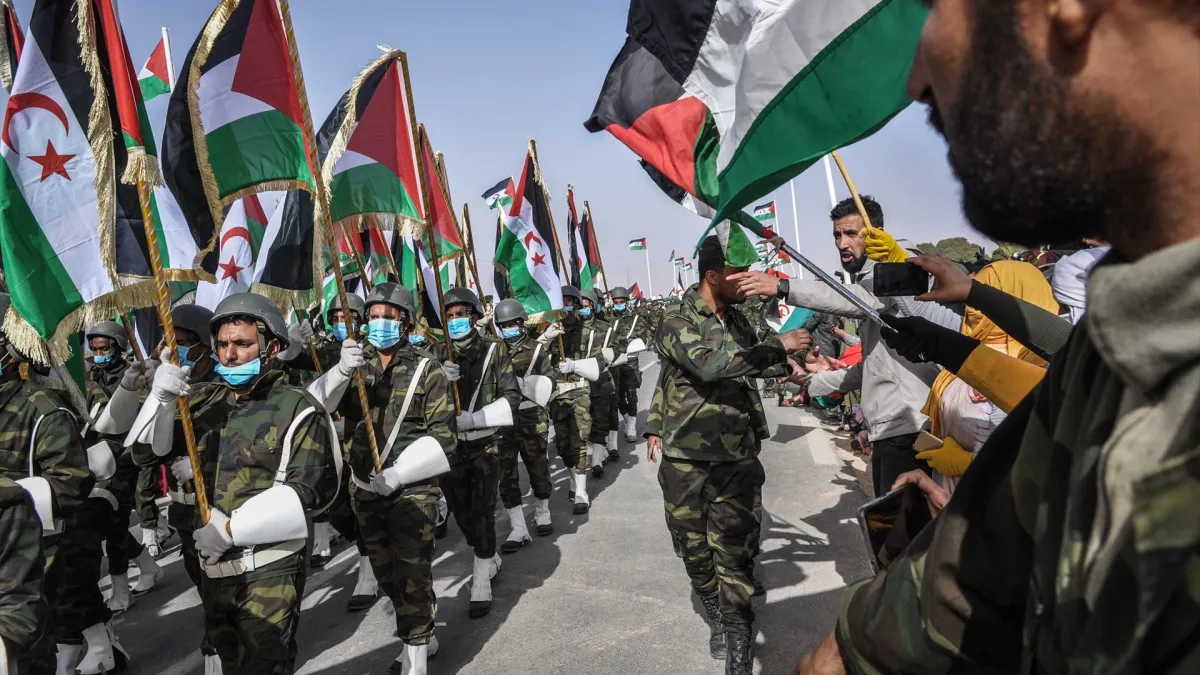
Three Casualties Reported in Moroccan Attack on Sahrawi Members
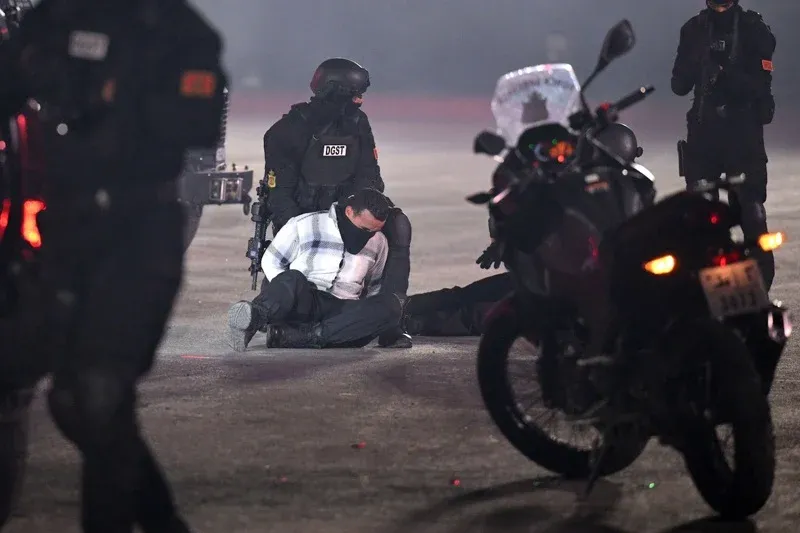
The Saharawi Presidency has announced a national mourning period of three days following the tragic deaths of three members of the Frente Polisario in a military attack carried out by Morocco in Western Sahara. Among those killed was Lehbib Mohamed Abdelaziz, aged 37, who was a member of the National Secretariat of the group and the son of former Sahrawi president Mohamed Abdelaziz, as reported by the Sahrawi news agency SPS.
Lehbib Abdelaziz, born in 1989 in the Sahrawi refugee camps in Algeria, pursued his education in that country before enlisting in the Frente Polisario forces in 2011. He rose through the ranks to become a field brigade leader and was appointed to the National Secretariat in 2024, marking a significant trajectory within the organization.
As of now, Moroccan authorities have not commented on the incident, and details surrounding the death of Abdelaziz remain sparse. His father, Mohamed Abdelaziz, was a prominent figure who served as the Secretary General of the Frente Polisario from 1976 and held the presidency of the Sahrawi Arab Democratic Republic (RASD) for 24 years until his passing, after which Brahim Ghali succeeded him.
The confirmation of Abdelaziz's death comes amid a visit from the United Nations' personal envoy for Western Sahara, Staffan de Mistura, who arrived on Sunday at the refugee camps as part of a new diplomatic mission. However, no further details regarding this visit have been disclosed.
In May, Ghali sent a letter to UN Secretary-General António Guterres, asserting that the attacks by the Frente Polisario on Moroccan bases in occupied Western Sahara were acts of legitimate defense against Rabat, following the breakdown of a ceasefire agreement established in 1991.
Over the past few years, the Frente Polisario has faced significant diplomatic setbacks, particularly as international support has increasingly tilted toward Morocco's autonomy plan, which has received backing from countries like Spain and France. The RASD has firmly rejected this proposal, emphasizing that Madrid remains the de jure administering power of the territory, which is still pending decolonization.
Western Sahara, previously a Spanish colony, was occupied by Morocco in 1975 despite resistance from the Frente Polisario, leading to a prolonged conflict that continued until a ceasefire was reached in 1991, which aimed to facilitate a referendum on self-determination. However, disagreements over the voter registry and the inclusion of Moroccan settlers have stalled any progress on the referendum until now.
Abdulah Arabi, the Frente Polisario delegate in Spain, condemned the perceived "double standards" of the Spanish government regarding its silence following the deaths of the three organization members. In statements to Europa Press, Arabi criticized the attack as part of a series of indiscriminate assaults by Morocco over the years, particularly against the Sahrawi civilian population.
According to the Polisario delegate, these attacks, many of which have been conducted using drones, highlight Morocco's unwillingness to resolve the Western Sahara conflict, which remains unresolved half a century after Spain's withdrawal from the territory. Arabi further lamented that when attacks occur, the Spanish government's response appears to be selective, as it only condemns actions when they are perpetrated by one of the conflicting parties. In contrast, the silence is "deafening" when the victims are Sahrawis.
Furthermore, Arabi pointed out that this attack coincided with the visit of UN special envoy Steffan de Mistura to the Sahrawi refugee camps in Tinduf, Algeria. He emphasized that the Polisario would take this opportunity to reaffirm to De Mistura their unwavering commitment to the legitimate rights of the Sahrawi people for self-determination and independence, no matter the cost.
As reported by publico.es.