
Scotland's Historic World Cup Journey Continues
In a momentous occasion for Scottish football, the national team achieved its first World Cup victory in 36 years by narrowly defeating Haiti 1-0 last Saturday, amidst a vibrant and enthusiastic crowd in Foxboro, Massachusetts. The triumph not only marked a significant milestone for the team but also set the stage for an exciting opportunity to advance to the knockout rounds of the World Cup—a stage that Scotland has not graced in decades. A victory in their next match against Morocco, or even a draw, will ensure their progression, but the challenge ahead looms significantly larger.
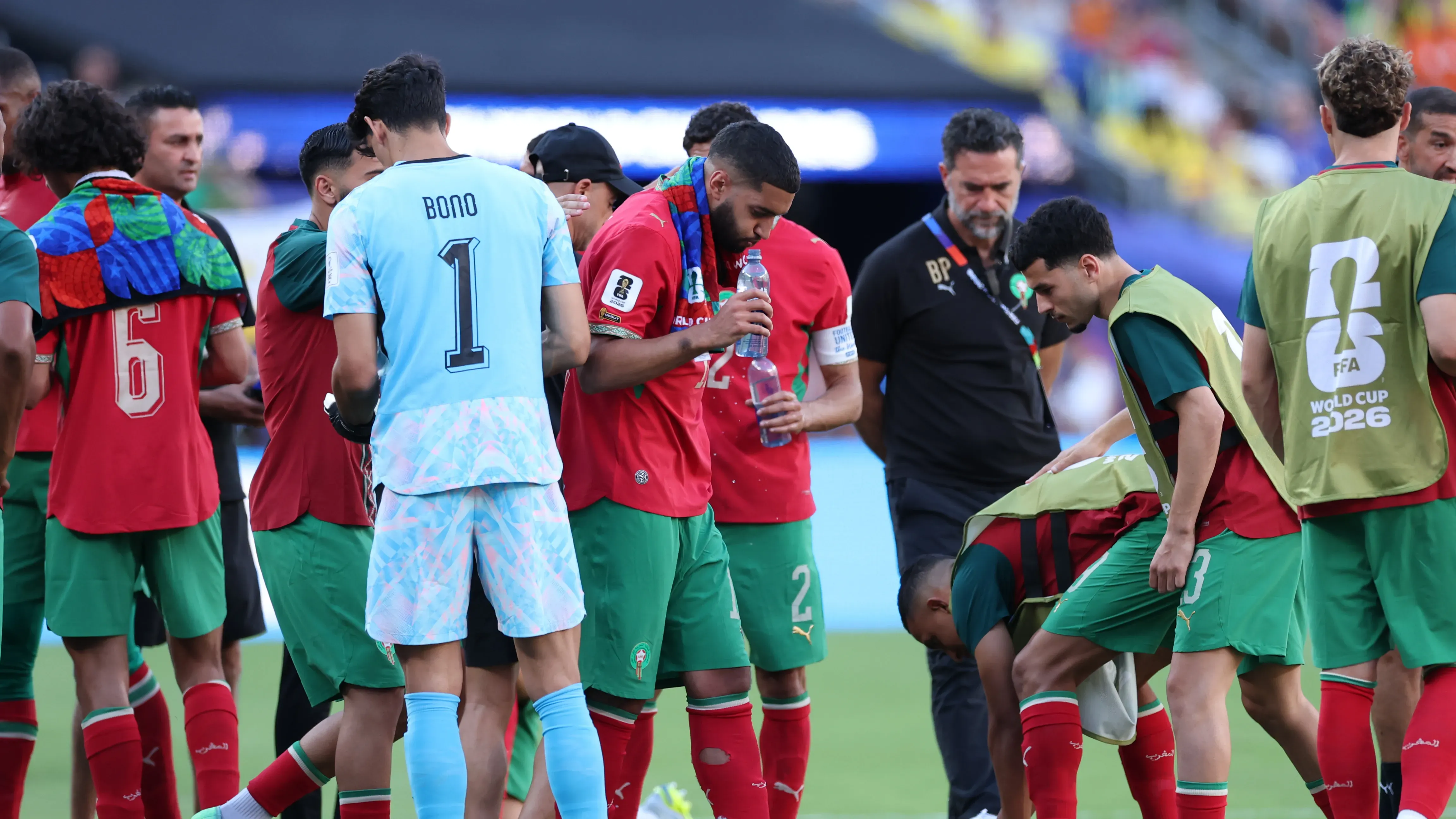
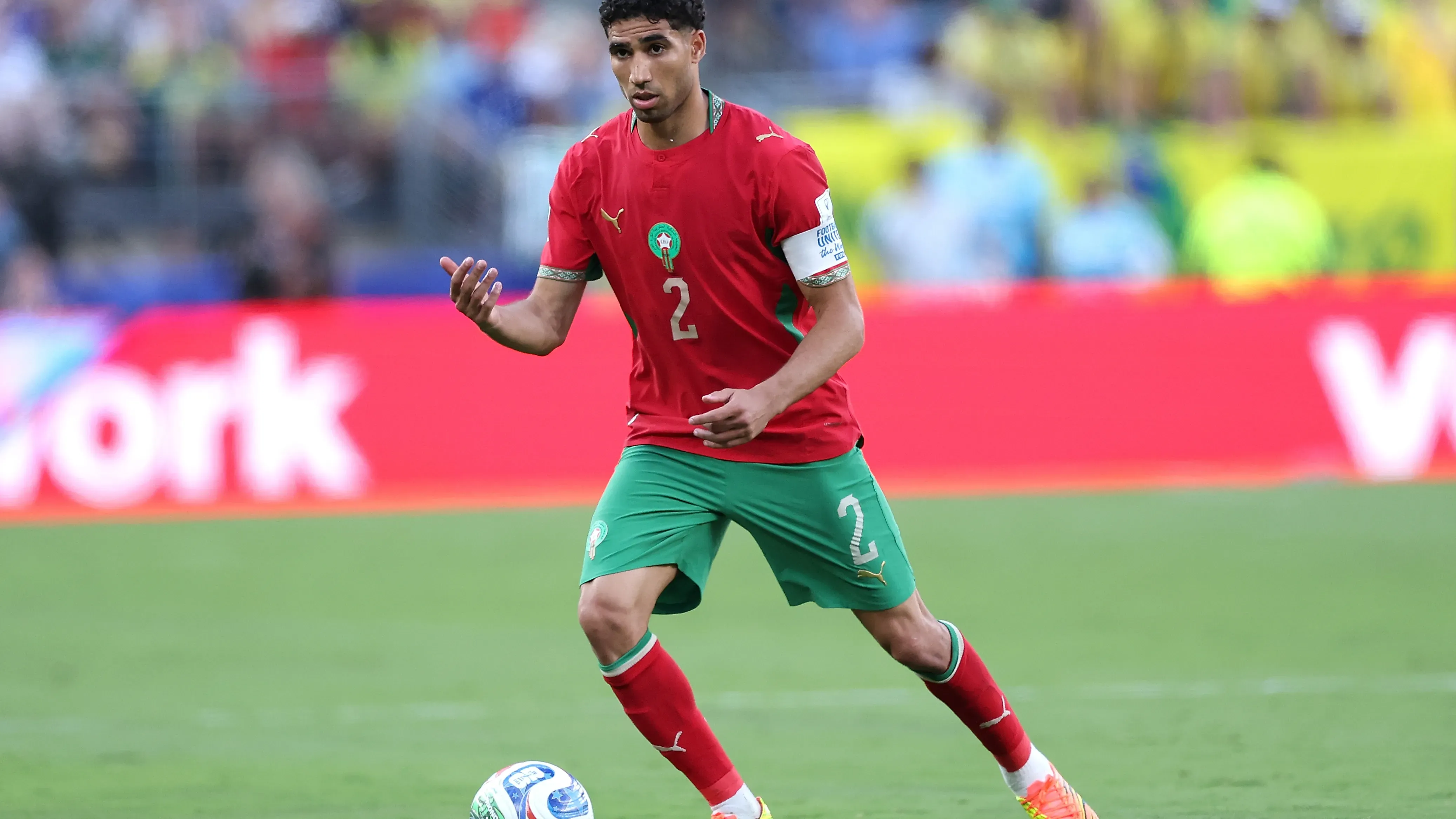
Scotland's upcoming opponent, Morocco, boasts an impressive FIFA ranking of sixth, trailing only some of the most storied footballing nations such as Argentina, France, England, and Brazil. The Atlas Lions, who made an unexpected run to the semifinals in the 2022 World Cup, have demonstrated that their success was no mere coincidence. They remain unbeaten since last August and recently opened their World Cup campaign with a commendable draw against Brazil, leaving Scotland acutely aware of the heightened difficulty they will face. With the Scots ranked 35th in the world, the path ahead is fraught with challenges, especially as they prepare to face the formidable Moroccan side on Friday at Boston Stadium before concluding their group stage against Brazil next Wednesday in Miami.
Preparing for the Challenge Ahead
Midfielder Ben Gannon-Doak acknowledged the underestimation of Haiti that may have existed prior to their match, emphasizing the quality of every team present in the tournament. He expressed confidence in Scotland's ability to compete against the strong Moroccan squad, stating, "We know how good the next two opponents are, and we are very confident that we can go into those games and hopefully get a result." Gannon-Doak played a key role in setting up Scotland's lone goal during their opener, a 28th-minute effort from John McGinn that fortuitously navigated its way past the Haitian defense.
Despite their victory, Scotland struggled to maintain possession, particularly in the second half, where Haiti dominated ball control. The Scottish team managed just a few shots on target and faced a near-equalizing header from Haiti in the closing moments of the match. As the team prepares for Morocco, tactical adjustments may be necessary, with speculation surrounding a potential shift from the 4-4-2 formation previously employed. The return of defender Scott McKenna from injury could bolster the team's defensive lineup, providing a much-needed advantage against a Moroccan team known for its athleticism and tactical intelligence.
With familiarity being a possible edge, Scotland is one of the few teams to play both of its initial matches in the same stadium, benefiting from their acclimatization to the environment and expectations. The passionate support from the Tartan Army has been palpable in the Greater Boston area, as fans have filled local venues, creating an atmosphere of camaraderie and celebration. As Naismith noted, the team's familiarity with their surroundings can only serve to enhance their performance on the pitch.
Looking ahead, Scotland enters these next matches as the underdogs but holds the prospect of advancing with just a point against Morocco or Brazil. With the squad's spirits high and a determination to rise to the occasion, striker Lyndon Dykes encapsulated the team's mindset: "It’s going to be a difficult game, like every game in this whole tournament, but the camp’s in high spirits, and we’re looking forward to it." As the Scots prepare for this monumental challenge, the hope remains that they will carve out a path to the Round of 32 and further solidify their place in football history.
As reported by bostonherald.com.