Unprecedented Sheep Shortage in Casablanca Markets
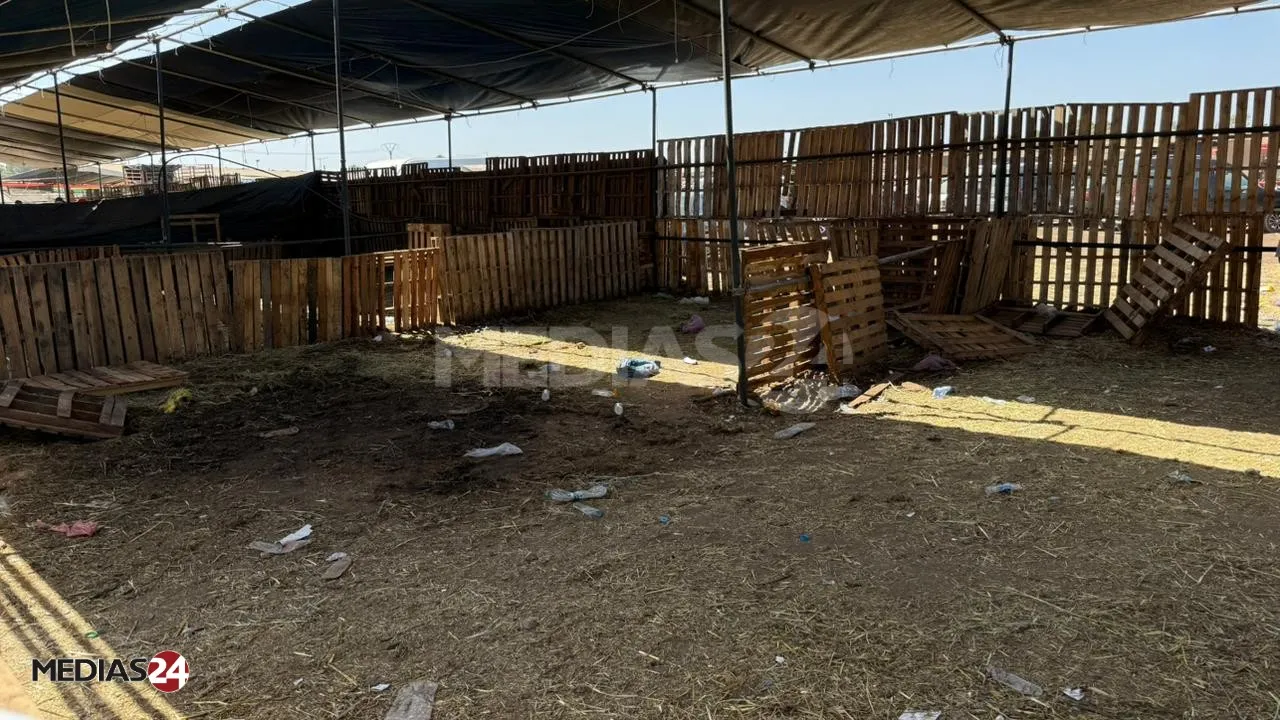
As Eid al-Adha approaches, the sheep markets across Casablanca are alarmingly empty, a situation that has sparked noticeable tension in various regions. Many professionals attribute this shortage to an uneven geographical distribution of supply and to the withdrawal of "chennakas" (speculative intermediaries) who have retreated from certain markets following stringent control measures implemented by authorities. On May 26, 2026, at the Rahba de Mejjatia in Médiouna, the market was set up but devoid of livestock, creating an eerie silence that is unusual for the eve of such a significant holiday.
This desolate scene is not confined to Mejjatia alone; similar observations have been made at Souk Sidi Othmane and Souk Ibn Tachefine, where vendors are left with empty stalls and customers depart without making purchases. The first signs of this troubling trend were evident over the weekend of May 23-24, as reports indicated a significant lack of offerings just days before the holiday. At a municipal market near the Casablanca International Fair, only slightly more than half of the allocated stalls were occupied, featuring a limited number of animals available for sale.
Market Tensions and Rising Prices
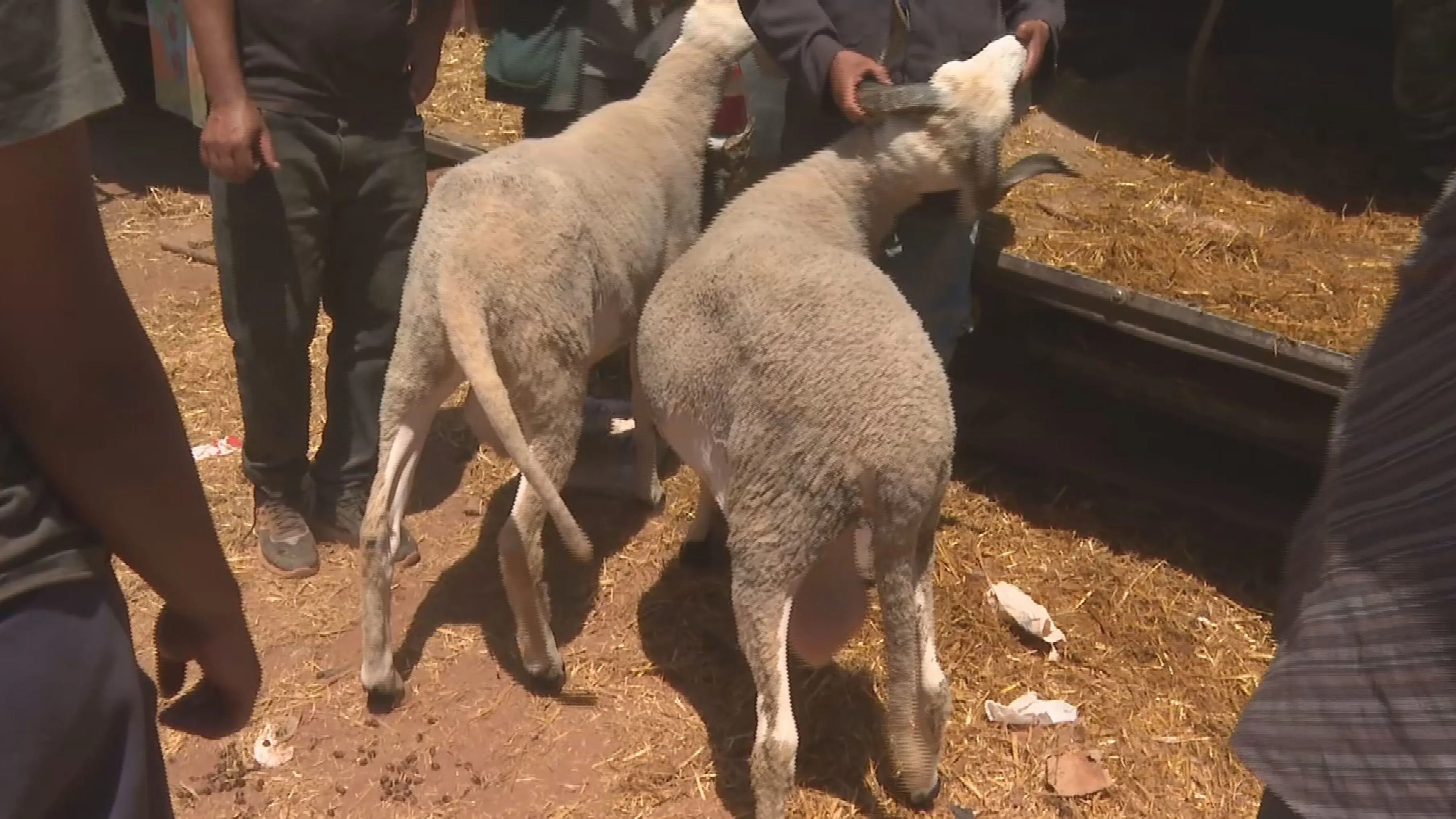
Tensions escalated further on May 25, 2026, particularly at the market near the old slaughterhouses in Hay Mohammadi, where live sheep prices surged to 90 to 95 dirhams per kilogram, inciting conflicts between buyers and sellers. Footage captured during this time shows crowds gathered around a closed sales point, as a vendor, positioned atop a large iron gate, announced a firm price of 3,500 dirhams per head. Frustrated by the soaring prices, many potential buyers decided to leave empty-handed, with one woman expressing to her husband that purchasing a sheep at such a price was unreasonable given their small household size.
The pressing question arises: where have all the sheep gone? Despite official counts suggesting that nearly 40 million sheep were registered and ready for Eid, including 8 to 9 million earmarked for slaughter, the markets in Casablanca appear nearly devoid of stock. Some market participants suggest that the 'kessabas' and 'chennakas' have abandoned the markets due to the heightened scrutiny and enforcement from authorities, which recently enacted regulations to curb practices that might artificially inflate sheep prices, effective until two days post-Eid.
The National Sheep and Goat Association (ANOC) has weighed in on the matter, indicating that the root of the problem lies in the redistribution of supply rather than an actual shortage. They assert that while certain markets faced shortages, they were promptly replenished with shipments from regions such as Guercif and the Middle Atlas. The ANOC further contends that the supply issues stem from regional disparities, exacerbated by concentrated demand in urban centers like Casablanca and the amplification of concerns via social media.
Interestingly, some sources within the industry suggest that the situation in Casablanca marks a historical first, indicating a fundamental blockage in supply chains. Despite previous years of drought, markets in Casablanca had never seen such an extreme shortage. The recent government controls are cited as a significant factor contributing to this unprecedented market condition, as the fear of repercussions from enforcement actions has led intermediaries to avoid the capital's markets altogether.
Amidst rising tensions and inflated prices, the dynamics of the sheep market have evolved over the years. Where once sellers had little alternative but to sell during Eid, the current landscape offers various options for livestock sales, including the return of pilgrims from Hajj and increased demand from expatriates and family events. The price gap between Eid al-Adha and regular consumption rates has narrowed significantly, providing kessabas with additional alternatives. However, the overall organization of some markets and inadequate security measures have also played roles in the current tensions.
In conclusion, this year's Eid al-Adha has been marked by rising prices lacking clear justification, ineffective public measures, and the persistent presence of informal market practices. The combination of these factors has created an atmosphere of distrust, further fueled by social media narratives, leaving many questions unanswered as the holiday approaches.
As reported by medias24.com.