This past Wednesday, May 27th, Morocco awakened to the melodic call of the muezzin. Clad in starched white jellabas, faces still crinkled from sleep, the nation engaged in a time-honored ritual: the sacrifice. With the sheep no longer present, meticulous butchering commenced, all under a heavy blanket of heat that enveloped the terraces. The dawn brought no respite from the sweltering heat; the sirocco winds blew like a biased referee, causing even the walls to perspire.
Grilled boulfaf awaited on the embers, seasoned with cumin that tantalized the nostrils. Soon after, the couscous from "El Walida" made its appearance, prepared like a familial peace treaty. Families gathered around the communal dish—men, women, and children, elbows touching, sweat mingling, while fans lazily rotated like disappointed supporters from 1994. The afternoon stretched on, punctuated by hot mint tea, as they anticipated the evening's méchoui, a golden culmination watched over since dawn, akin to a national treasure, alongside mrouzia that comforts even after a defeat against Lesotho.
Then came the uncle, lifting his head from his phone as if he had discovered the cure for the summer heat: "Have you seen the list of 26 for the World Cup?"
The true Eid could finally commence—the one where players are sacrificed even before the sheep.
The Uncle, the Nephew, and the Ghost of 1986
The living room transformed into a national arena where each guest assumed the roles of selector, analyst, and prosecutor. Even those who have confused corners with penalties since 1998 expressed their opinions confidently.
If the late Tayeb Seddiki had been present, he would undoubtedly have turned the room into a vibrant "halqa" where every phrase would spark a retort, and every silence would amplify the dramatic tension.
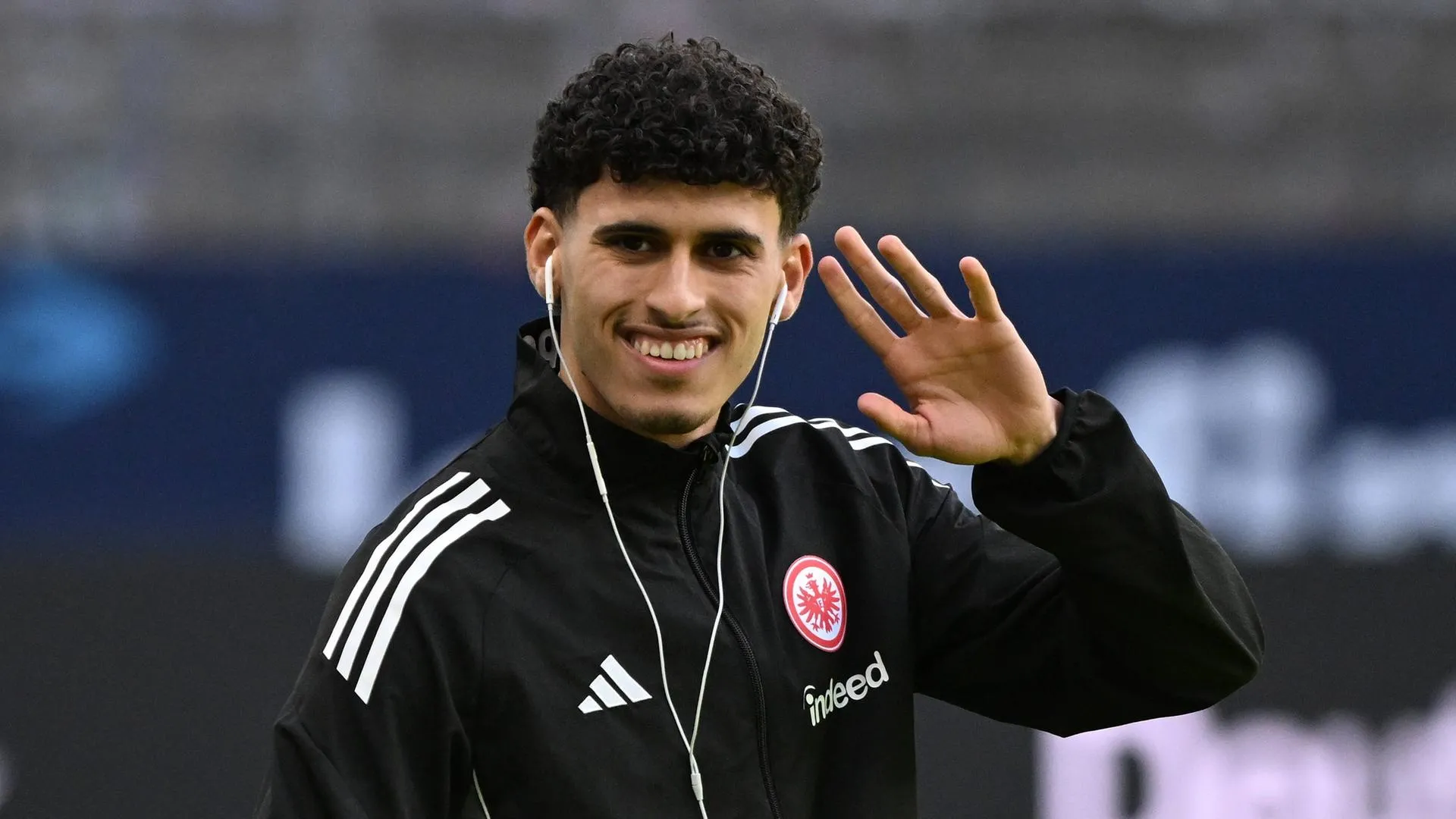
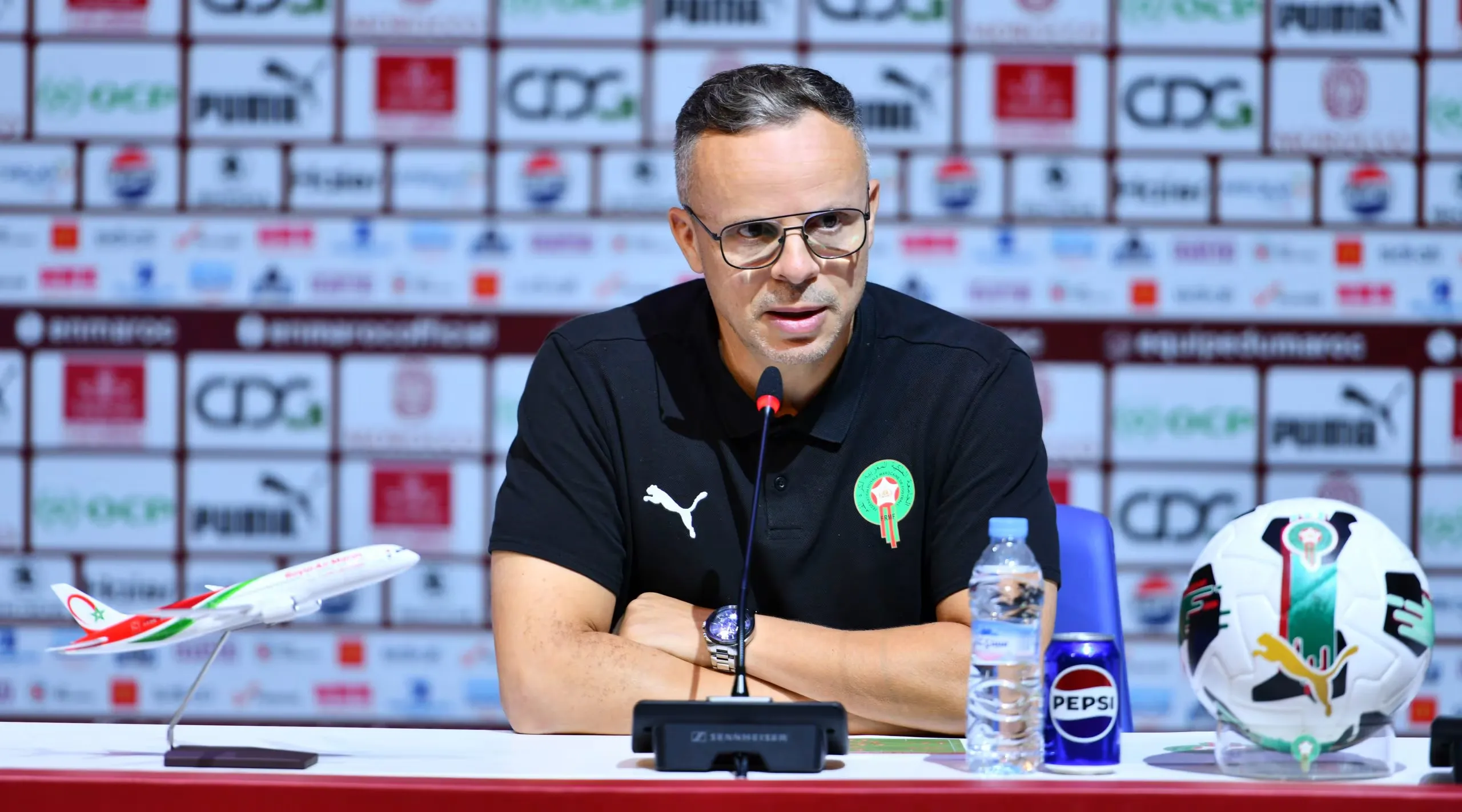
The uncle, who hadn’t touched a ball since the days of Timoumi and Bouderbala electrifying the stadiums, placed his phone down with the bearing of an 80s KACM strategist: "Ultimately, Mohamed Ouahbi's list retains the certainties of the present while gazing toward the future. Frankly, it might be exactly what we need today." The nephew, smartphone in hand and statistics at the ready, interjected: "Yes, but Boufal… He was still training in Maâmora under this furnace-like heat and he jumps! Wallah, it’s wasteful. This boy can unlock a match with just a flick of his ankle." "And what about Regragui?" the uncle countered. "He had calmed an entire nation before Qatar. He managed pressure better than we manage hot tea."
The Core and Destiny of the Group
Outside, the asphalt melted like chocolate under Rabat's sun.
"His list secures the present and bets on the future," insisted the uncle.
"Aguerd worries me, though," replied the nephew. "Pubalgia + heat = risk of disaster. It foreshadows a repeat of Saïss's case at AFCON." The uncle sliced the meat as if aligning the defense: "The base is solid: Bounou, Hakimi, Amrabat, Mazraoui. A spine of reinforced concrete. And surrounding it, youth storming the sidelines: Lille's prodigy Bouaddi, the metronome El Aynaoui from Roma, Talbi from Sunderland… It’s like our méchoui under this heat—golden, solid crust outside to withstand the flames, generous and unpredictable within. And like any good méchoui, you shouldn’t lift the lid every five minutes. Let it cook. Trust the process. The result will be there." "And up front?" the nephew pressed. "The artists: Brahim, Rahimi, El Kaabi, Ezzalzouli. Those who make the difference in the blink of an eye. Let him work." The nephew finally put down his phone, not fully convinced but almost. He gazed at the méchoui slowly browning over the coals and murmured to himself, "Inch’Allah. Because if we lose to Brazil in the opener, he’ll hear me complain until AFCON 2027." The uncle burst into laughter. Outside, the night began to promise what the day had not—a hint of coolness, at last.
The living room breathed easier as plates emptied and voices softened to that tone reserved for when debate gives way to dreams. The nephew sighed, half-serious and half-joking: "Amaimouni… no one knew him six months ago. Sbaï the reserve player neither." The uncle smiled beneath his mustache. The radio gently turned on, initially playing Lmarikan by Houcine Slaoui—a mischievous fox-trot recorded in Paris in 1944, when a Moroccan was already singing of America with the smile of one who knows that dreams always cross the Atlantic. Eighty-two years later, the Lions are preparing to prove him right.
Then the soulful voices of Jil Jilala took over for a moment, before yielding to American standards that began to populate the dreams of the living room. For a few seconds, the patio transcended Rabat to the avenues of New York. Sinatra's "New York, New York" faced Brazil. The Bee Gees' "Massachusetts" against Scotland. And the nostalgia of Ray Charles's "Georgia on My Mind" facing Haiti. The living room was already dreaming of great American nights.
The uncle, contemplative yet teasing: "Mohamed Ouahbi must have also experienced his Lili Touil… three sleepless nights, black coffee, and an aspirin. Like any good Moroccan before a big event." The nephew smiled. The uncle closed his eyes: "The Lions will be ready in 17 days… Inchallah." Seventeen days. And already, 40 million selectors are holding their breath. Houcine Slaoui was right from the start. America was meant for us. But until then, one command is imperative—and it comes directly from Ouahbi: drink fresh water. The World Cup can wait. The heat, however, does not. Eid Mubarak Said.
As reported by sport.le360.ma.