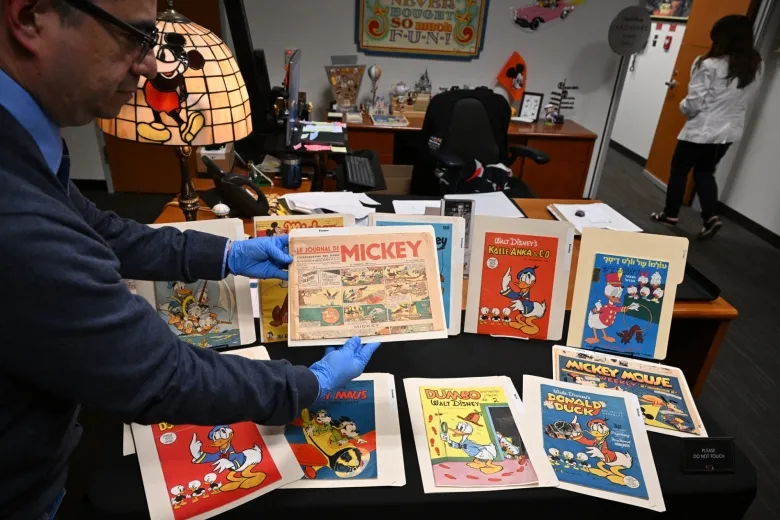
The journey of comic art in Morocco has been both challenging and transformative, particularly in the years following the country's independence in 1956. Initially, there were sporadic attempts within political newspapers and magazines to employ visual storytelling for educational and mobilization purposes. Despite the proliferation of these publications, Morocco lacked a genuine production of comic strips during that era, remaining a consumer of Western forms without cultivating a visual narrative that reflected its local realities. This phenomenon can be attributed to the weak cultural infrastructure, the absence of specialized publishing houses, and the traditional view that dismissed imagery as a serious artistic medium.
After the independence, the Moroccan cultural scene began to experience a revitalization that encompassed theater, literature, visual arts, and journalism. However, comic art remained relatively marginalized. Nevertheless, individual efforts emerged through politically-oriented newspapers, such as "Al-Alam," "Al-Muharrer," and "Ittihad Al-Ishtraki," which played a vital role in this context by publishing politically and socially charged illustrations and short stories, occasionally resembling caricatures and at other times, comic strips. Though these works were not technically advanced, they laid the groundwork for a new awareness of imagery as a language capable of critique and protest. Cultural magazines like "Anfas," despite not specializing in comics, contributed to fostering a modern aesthetic sensibility that would influence future generations of Moroccan artists who viewed imagery as a means to deconstruct and reinterpret reality.
From Caricature to Comic Strips
During the 1970s and 1980s, political and social caricature gained significant traction in Moroccan journalism, particularly in response to rising political and social tensions. This proliferation paved the way for the evolution of comic strips, as artists gained experience in employing satirical imagery and visual condensation. It was during this period that the name Abdel Aziz Merid emerged as one of Morocco's foremost comic artists. Inspired by his experiences of political imprisonment, Merid transformed the suffering of Moroccan prisons into a powerful visual narrative. His works transcended mere illustrations, serving as artistic testimonials to a period marked by the "Years of Lead," where art intermingled with political memory and human rights advocacy.
By the 1990s, Moroccan comic strips began to gradually liberate themselves from direct Western influences. Artists sought to create characters, settings, and atmospheres drawn from everyday Moroccan life, including bustling alleys, cafes, buses, markets, local dialects, and social anxieties related to poverty, unemployment, migration, and political transformations. This marked the emergence of a distinctly Moroccan comic art form, characterized not as an Arab imitation of European models but as a local visual language with its own unique sensitivities.
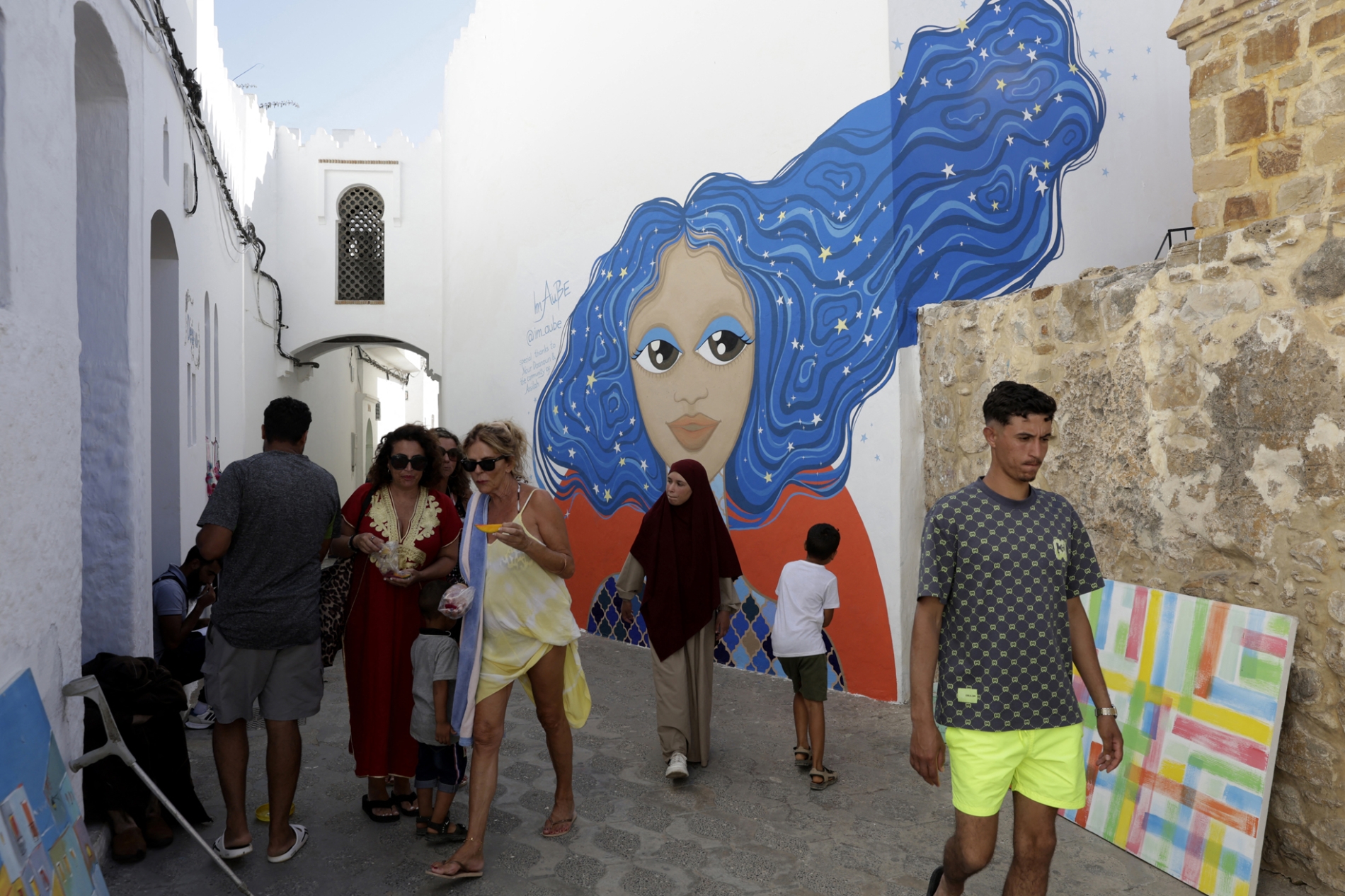
Visitors at the cultural festival in Assilah, transforming the city into an open art exhibition in 2025.
Festivals and a New Artistic Movement
With the dawn of the new millennium, Moroccan comic art experienced a qualitative leap, largely thanks to the organization of festivals dedicated to this art form in cities like Casablanca, Meknes, and Tetouan. The most notable among these is the "International Forum of Comic Strips" in Tetouan, which first launched in 2004 and recently celebrated its 19th edition. This forum serves as a gathering for comic artists and creators from around the world, aiming to promote this art in Morocco and the Arab region. Organized under the auspices of the "Tetouan Association for the Seventh Art," it has become one of the most significant cultural events in Morocco focused on this domain.
Since its inception, the forum has witnessed a remarkable increase in participation from various countries, establishing itself as a primary destination for artists, publishers, and creators interested in comic art. The forum features a diverse array of activities, including exhibitions, workshops, seminars, and film screenings centered on comic strips, making it a comprehensive event that attracts enthusiasts and raises awareness among the Moroccan and Arab audiences. Additionally, it significantly contributes to the support and development of comic art in Morocco, becoming a platform to honor both Moroccan and international creators in this field, thereby enhancing the standing of this art within the Moroccan cultural landscape.
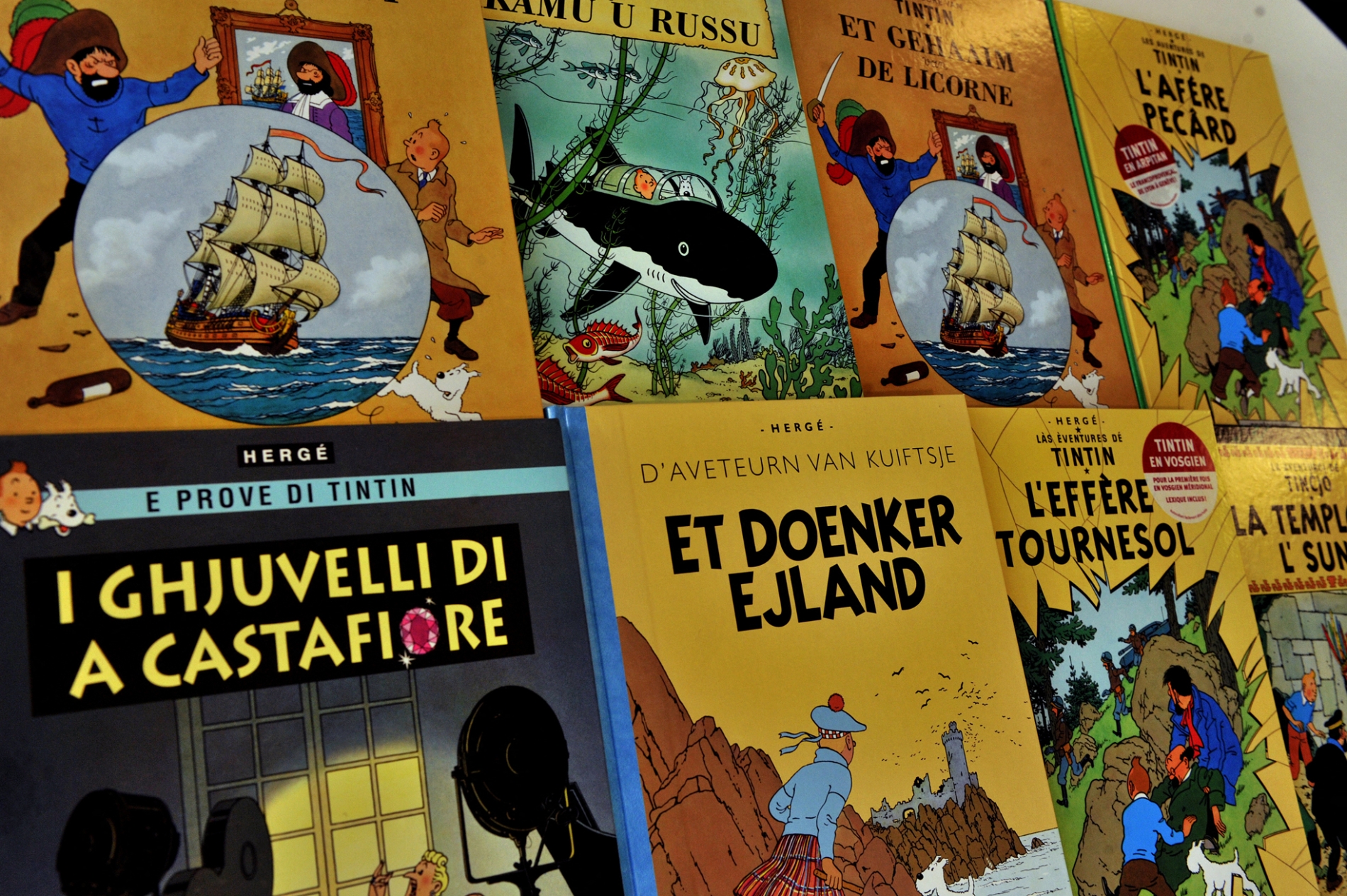
Copies of the "Tintin" series translated into various languages at the Casterman publishing house in Brussels, 2014.
In addition to the festivals, Moroccan artists began publishing their own books addressing a variety of issues. For instance, some publications tackled topics related to women's rights and individual liberties, while others focused on the challenges faced by youth amid social and economic changes. These publications have broadened the audience for comic strips, as they are no longer solely targeted at children but now appeal to adults as well. Furthermore, cultural institutions in Morocco are beginning to recognize the value of comic art as an educational and cultural tool. This growing acknowledgment enhances the status of this art and encourages investment in it, opening up avenues for more creations that reflect Moroccan reality and highlight its cultural identity.
During this period, significant independent initiatives emerged, notably the magazine "Skefkef," which was published from July 2013 to May 2018 and marked a crucial turning point in the history of comic art in Morocco. This magazine aimed to create a free space for young artists and present works directly inspired by Moroccan reality, whether through language, style, or themes. "Skefkef" represented a new generation that views comic strips as a contemporary art form capable of questioning society rather than merely an entertainment medium for children.
Despite the significant advancements this art has seen, including the establishment of a program to teach comic art at the National Institute of Fine Arts in Tetouan—the first of its kind in Africa—it still faces numerous challenges. One of the primary challenges is the traditional perception that views comic strips as a form of superficial entertainment for children, which hinders its recognition as a mature art form that carries profound cultural messages.
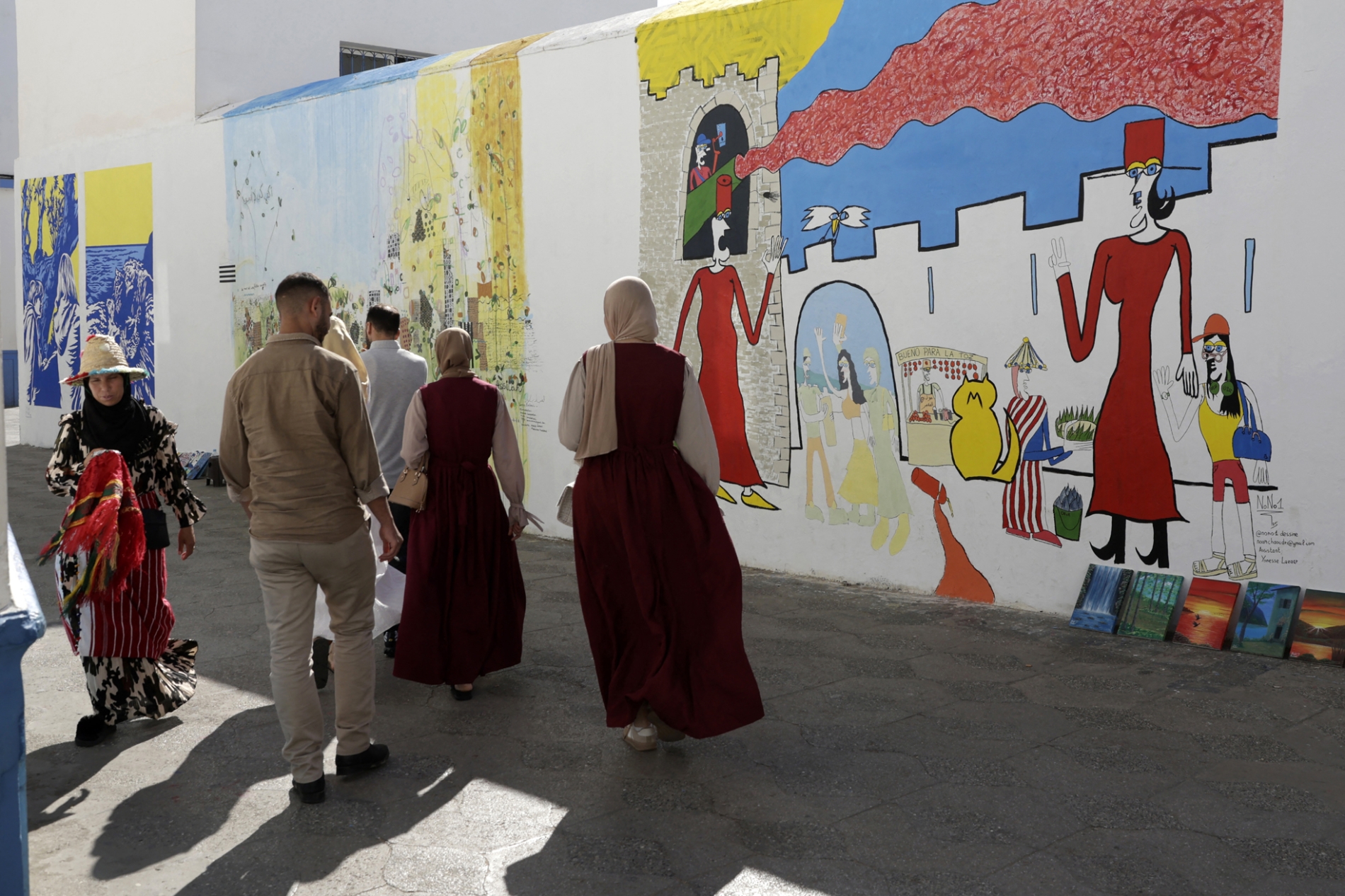
Visitors walking among murals during the cultural festival in Assilah, 2025.
Additionally, the comic book industry in Morocco suffers from inadequate infrastructure. The sector lacks effective distribution mechanisms that would allow Moroccan works to reach global markets. Other challenges include competition with Western productions that boast advanced techniques and substantial budgets. This competition makes it difficult for Moroccan artists to achieve widespread recognition for their works, particularly given the limited nature of the local market.
In conclusion, the story of comic art in Morocco is one of continuous evolution, transitioning from limited Western influences to a state of artistic maturity that reflects the uniqueness of Moroccan identity. Despite the challenges it faces, this art form has managed to establish itself as an effective tool for expressing social and political issues, documenting history, and conveying Moroccan culture to the world. With ongoing innovation and support, it seems that comic art in Morocco is poised to become an integral part of both national and international culture.
As reported by majalla.com.