Morocco's Football Renaissance: From Underdogs to Contenders
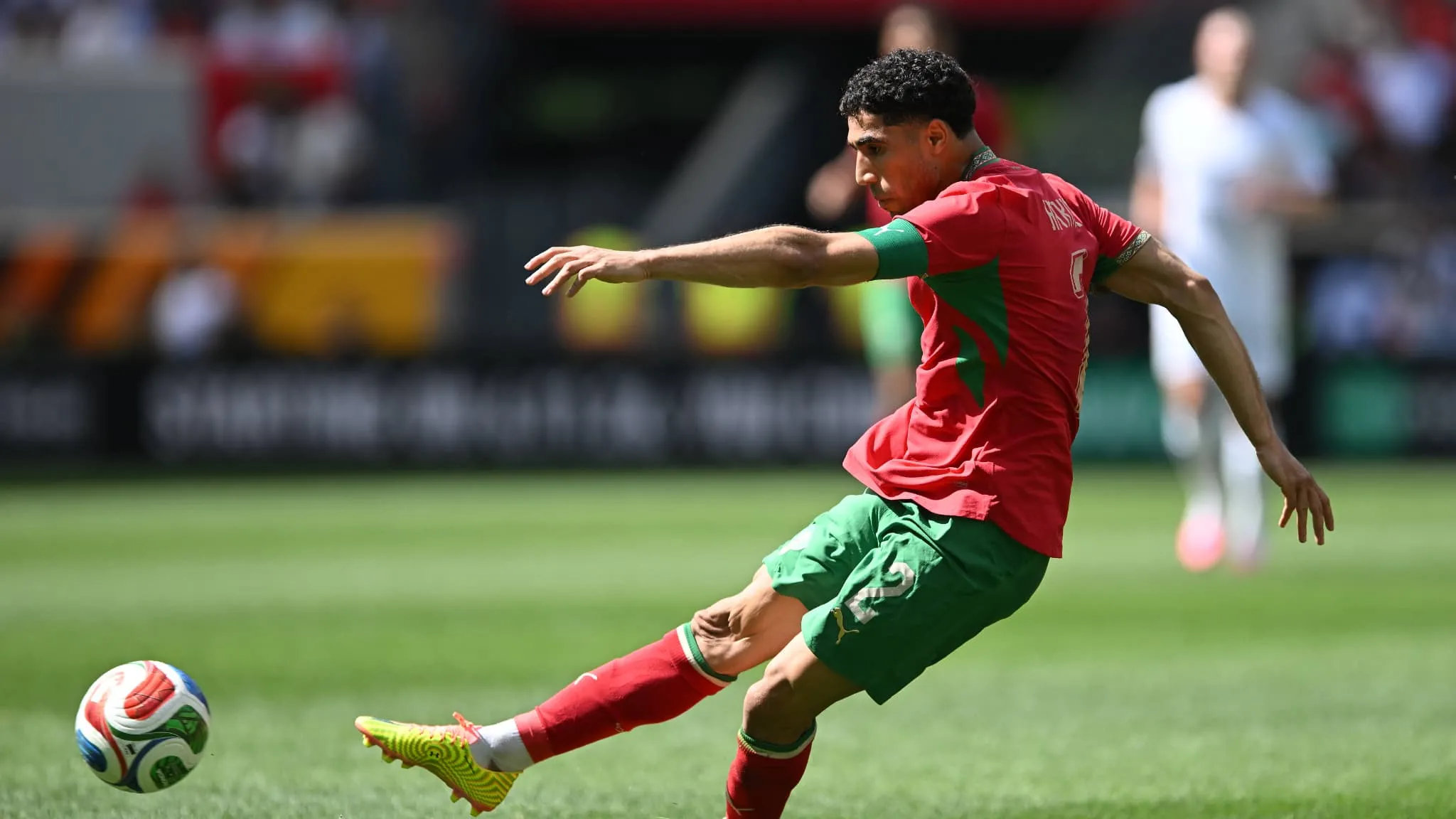
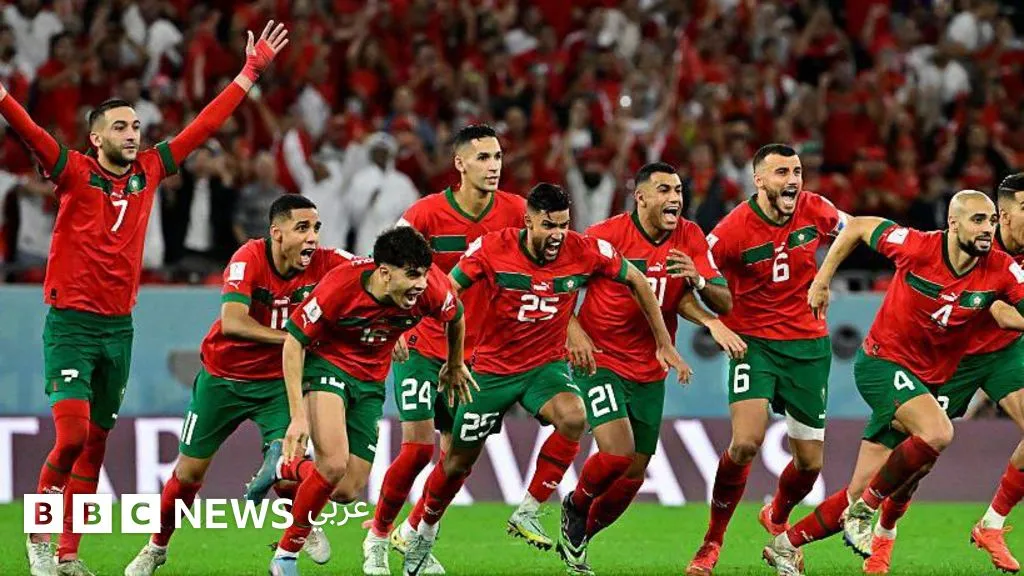
For many Moroccan football fans, whether from the generation that witnessed the national team's remarkable run to the Round of 16 in the 1986 Mexico World Cup or the younger crowd that experienced the excitement of the 2004 African Cup of Nations final, the recent achievements of Morocco in the football arena are nothing short of astonishing. The national team’s journey to the semi-finals of the 2022 FIFA World Cup in Qatar was a testament to the country's resurgence as a formidable force in international football, a feat that even the most optimistic supporters might not have anticipated. After a long period of disappointment, marked by years of inconsistency and missed opportunities, Moroccan football has transformed dramatically, as evidenced by its stellar performance in recent tournaments. The nation had endured a 20-year absence from the World Cup, only to mark its return in 2018 with a commendable showing in Russia, followed by a historic achievement in 2022 that resonated across the African and Arab worlds.
This football revolution in Morocco is not limited to the senior national team; it encompasses all age categories. The country has witnessed the emergence of a new generation of players, alongside a series of local and international triumphs. Among these highlights are the anticipated victory at the Under-20 World Cup in Chile in 2025, a bronze medal at the Paris 2024 Olympic Games, and winning the Arab Cup in 2025. The nation's football landscape has also seen remarkable success in the African Championships for local players and various youth categories, culminating in a commendable second-round finish in the Women’s World Cup held in Australia and New Zealand in 2023. For Moroccans, football is more than just a sport; it’s a passion that unites people of all ages. In every neighborhood and street, there exists a wealth of talent eager to showcase their skills, often on makeshift fields that temporarily serve as venues for the beautiful game.
Recognizing the immense potential of football in Morocco, officials began to develop a comprehensive project aimed at translating this grassroots enthusiasm into substantial achievements on both continental and international stages. The foundation of this dream lies in significant investments in sports infrastructure, primarily through the establishment of community fields.
Investing in Infrastructure: Building Community Fields
The journey towards professionalizing football in Morocco begins with a crucial investment in sports infrastructure. This involves the creation of stadiums and training centers that meet global standards and provide an environment conducive to discovering and nurturing talent. According to the Ministry of National Education, Preschool, and Sports, Morocco currently boasts around 2,500 sports facilities distributed across various regions of the country. Among these are hundreds of "community fields," which have become vital spaces for practicing football and honing the skills of emerging generations.
These fields have evolved into genuine incubators for football talent, where thousands of children and young adults take their first steps towards the professional arena, with many eventually making their way to national clubs or even European and global leagues. These facilities are predominantly small pitches often covered with artificial grass and are overseen by the Ministry of National Education, while local associations typically manage their daily operations.
In addition to national efforts, international support has also played a crucial role in enhancing these infrastructures. Earlier this year, FIFA signed an agreement with the Royal Moroccan Football Federation to build 30 mini stadiums, classified as "FIFA Arena," across various regions of the country. This initiative is part of a global program launched by FIFA aimed at constructing at least 1,000 mini football pitches worldwide by 2031, thus ensuring greater opportunities for football participation and talent discovery in various countries.
With the announcement that Morocco will co-host the next African Cup of Nations and the 2030 World Cup alongside Spain and Portugal, the kingdom has witnessed an unprecedented surge in the development of its sports infrastructure. Numerous projects have been initiated to construct new stadiums and modernize existing ones throughout Moroccan cities, aligning them with the highest international standards set by both FIFA and CAF (the African Football Confederation). Many major Moroccan cities now feature at least one stadium that meets international specifications, having hosted significant continental and international competitions, while others are undergoing expansion and modernization in preparation for the upcoming World Cup.
Among these ambitious projects is the Grand Hassan II Stadium in Benslimane, located near Casablanca, which is set to accommodate around 115,000 spectators, potentially making it the largest football stadium in the world upon completion. This venue is also regarded as a frontrunner to host the final match of the 2030 World Cup, reflecting Morocco's growing stature in the international football scene and its aspirations to become a global sports hub.
Furthermore, the Mohammed VI Football Academy represents another key initiative that has significantly transformed Moroccan football over the last few decades. Established in 2009 under the guidance of King Mohammed VI, the academy aims to elevate Moroccan football by investing in the training of young players according to global professional standards. Located in Salé, the academy provides young talents with a comprehensive environment that combines sports training, academic education, healthcare, and psychological and social support. The academy’s officials emphasize the meticulous selection process that encompasses various regions of Morocco to discover the best football talents and provide them with opportunities to develop in professional conditions comparable to the world’s top training centers.
The fruits of the academy’s labor have begun to materialize in recent years, successfully producing several players who have gone on to join major European clubs and represent Morocco at various age levels, including the senior national team. Notably, five academy graduates were part of Walid Regragui's squad in the World Cup in Qatar, highlighting the academy's success in nurturing top talent.
The advent of a professional league in Morocco has further catalyzed the growth of football in the country. In 2011, Morocco launched the Professional Moroccan League as part of a comprehensive vision to modernize the national football system and elevate it to international standards. This initiative was not merely a name change; it established a new model for club management based on governance, transparency, financial stability, and professional administration. Clubs are now required to meet a set of conditions outlined in the "Specifications Document," which includes securing sufficient financial resources, adopting professional management practices, improving infrastructure, and developing training centers for youth teams.
As the Moroccan Professional League continues to evolve, it has significantly enhanced the competitive level of Moroccan clubs on the continental stage, allowing them to consistently contend for African titles while providing a better environment for the development of young players and preparing them for international careers. This league, along with the Mohammed VI Academy, community fields, and modern infrastructure, represents the pillars of a new era for Moroccan football, where the nation aspires not only to participate but to excel on the global stage.
As reported by bbc.com.