Reviving a Historic Craft Amidst Declining Quality
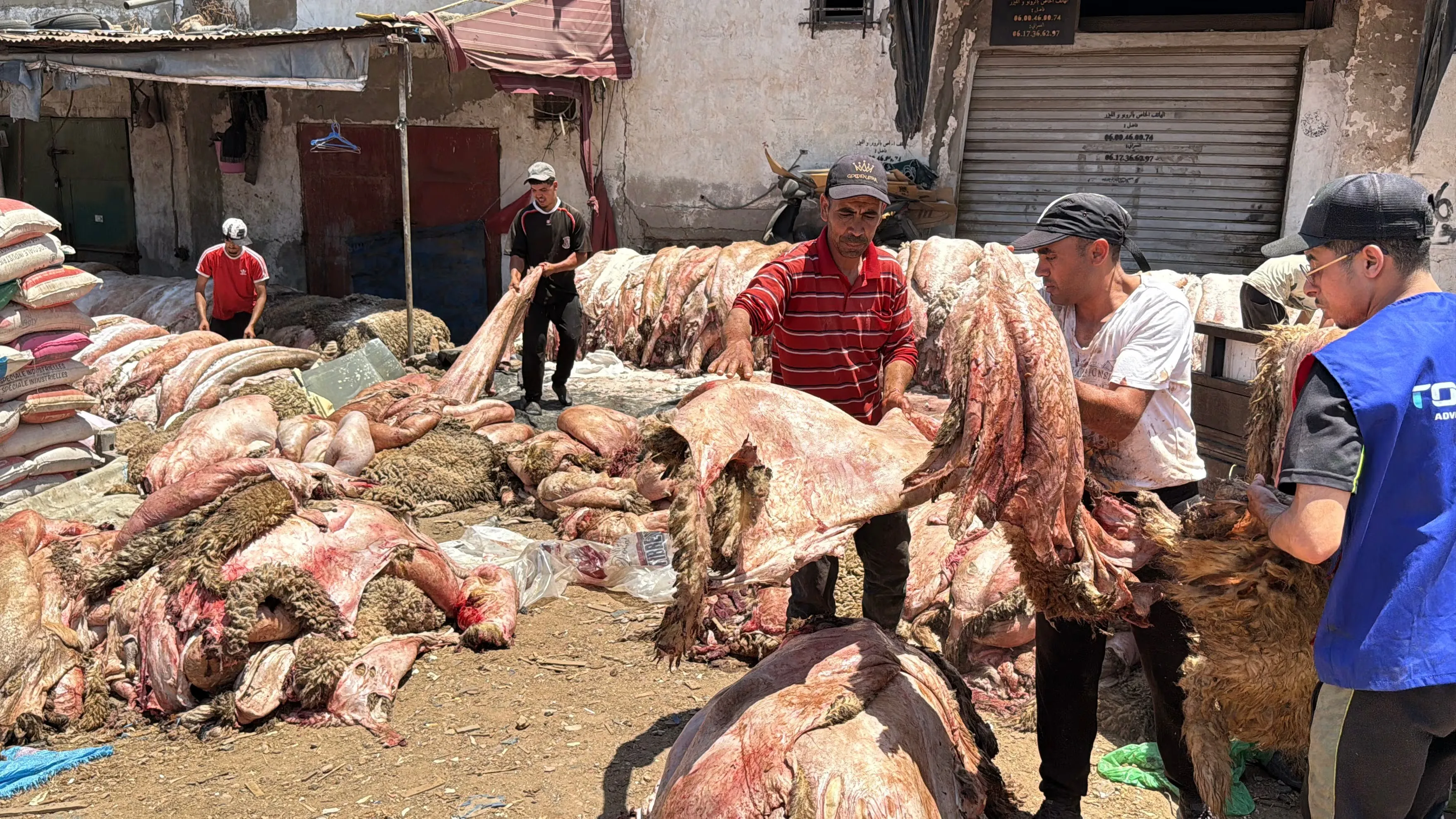
In the bustling markets of Casablanca, the age-old profession of sheep skin processing is facing significant challenges that threaten its very existence. Traders in this traditional industry have expressed their worries about the declining quality of sheep skins, a situation exacerbated by the aftermath of the COVID-19 pandemic. Once a thriving trade that supplied raw materials to tanners in major cities like Fes, Marrakech, and Agadir, the market for sheep skins has now turned into a shadow of its former self, with noticeable drops in both quantity and quality. As reported by the traders, this year's offerings in the market are scant, showcasing skins that lack the thickness and durability that were once standard. This decline not only impacts the traders but also raises concerns among artisans who rely on high-quality materials for their leather goods.
Economic Impacts and Industry Resilience
The economic ramifications of this downturn are profound, with many in the industry struggling to maintain their livelihoods. The pandemic has left a lasting mark, and the recovery has been slow, with traders noting that the volume of skins available has not returned to pre-crisis levels. The traditional market, which used to thrive around religious festivals, is now in a state of uncertainty, with transactions extending beyond seasonal peaks but still falling short of sustaining the businesses. A stark contrast emerges as artisans from the renowned tanneries of Fes, known for their strict quality standards, are now faced with the possibility of rejecting these low-quality skins, which further highlights the fragility of this sector. The historical significance of this craft, which continues to contribute to the cultural fabric and economic landscape of Morocco, is at risk of fading away unless addressed with urgency and innovation.
As reported by ar.le360.ma.