The Journey of Spanish-Born Players in the World Cup
The 2026 World Cup is set to showcase a remarkable phenomenon: a significant number of players born in Spain will be representing various national teams, reflecting the complex tapestry of immigration and identity in modern football. This situation encapsulates not only the stories of individual athletes but also broader social realities regarding migration and the diverse backgrounds that contribute to the global game.
Leading the charge is Morocco, which boasts the highest number of players born in Spain, with Achraf Hakimi standing out as its captain and star. Born in Getafe to Moroccan immigrant parents, Hakimi's journey from humble beginnings, where his mother worked as a cleaner and his father as a street vendor, to becoming a celebrated figure in European football is truly inspiring. After rising through the ranks at Real Madrid and making his mark with clubs like Borussia Dortmund and Inter Milan, he now shines at Paris Saint-Germain, having won two consecutive Champions League titles. However, his career has not been without controversy, as he faces legal issues in France related to serious allegations.
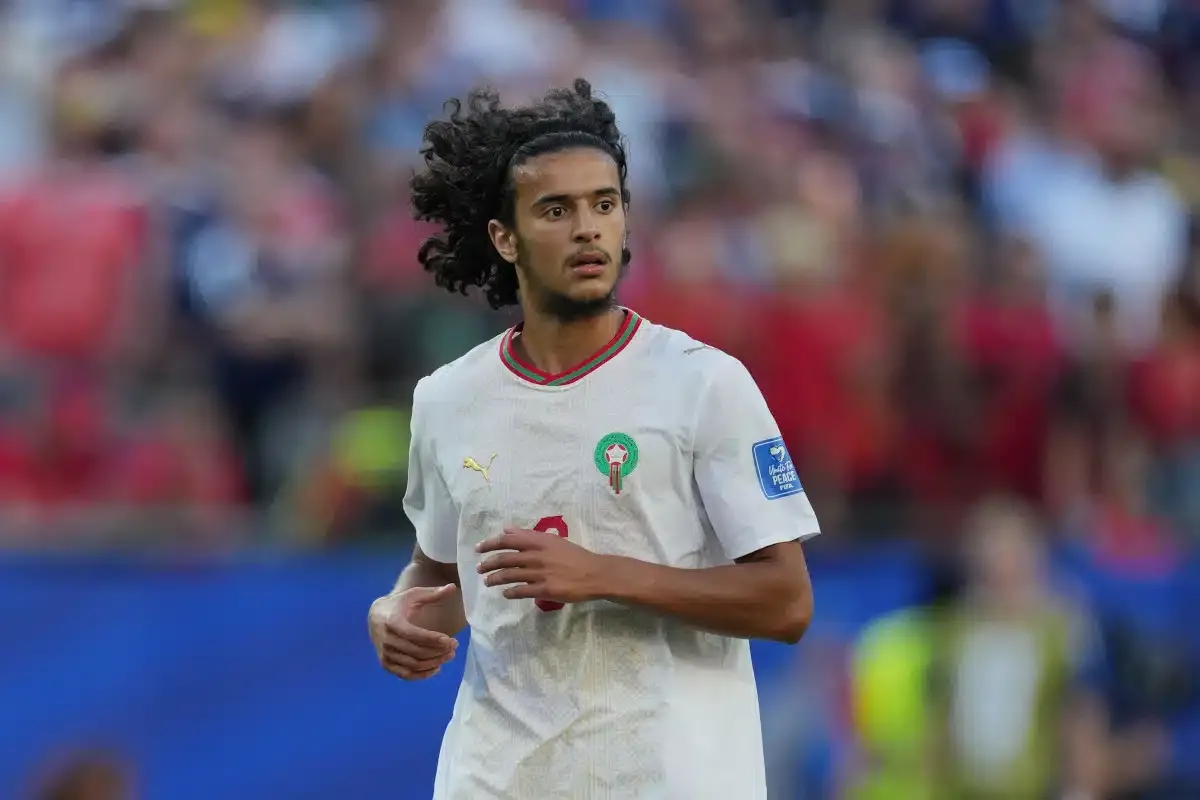
Another notable player is Brahim Díaz, who has Spanish nationality by birth and is also a prominent member of the Moroccan national team. Born in Málaga to parents of Moroccan descent, Díaz honed his skills in the youth system of Málaga CF before moving to Manchester City and later AC Milan. Despite having played friendly matches for Spain, he ultimately chose to represent Morocco in 2024 after not receiving a call-up from the Spanish national coach. His story illustrates the deep connections players maintain with their heritage, even amidst the pressures to conform to national identities.
Moreover, the Moroccan squad also features Munir Mohamedi, a seasoned goalkeeper who has spent much of his career in Spanish clubs, and rising talents like Chadi Riad and Ayoube Amaimouni, both of whom have embraced their Moroccan roots while showcasing their skills in European leagues.
The narratives extend beyond Morocco, as players like Álvaro Fidalgo, who was born in Spain but now represents Mexico, illustrate the complexities of national allegiance in football. Fidalgo's journey from Spain to a stellar career in Mexico, where he became a fan favorite, emphasizes how personal and familial ties can influence a player’s choice of national representation.
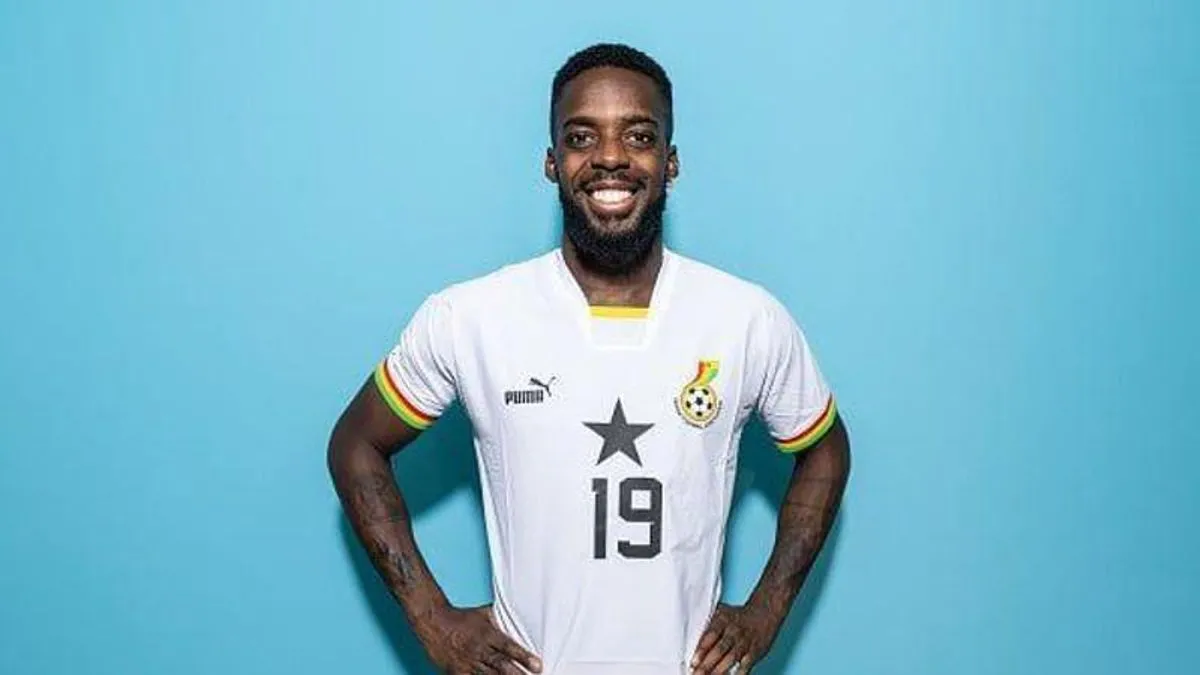
Equally compelling is the story of Nico Williams, who, despite debuting for Spain, opted to represent Ghana in the World Cup, following in the footsteps of his parents who migrated from Ghana to Spain. His decision resonates with many young athletes navigating their identities in a multicultural world.
This World Cup serves as a potent reminder that one in every four players may be competing for a country different from the one they were born in, highlighting the global nature of football and the diverse journeys that players undertake. As the tournament approaches, the stories of these athletes will not only captivate fans but also promote a broader understanding of immigration and the rich histories that shape the beautiful game.
As reported by eldiario.es.