Exploring the Factors Influencing Electoral Engineering in Morocco
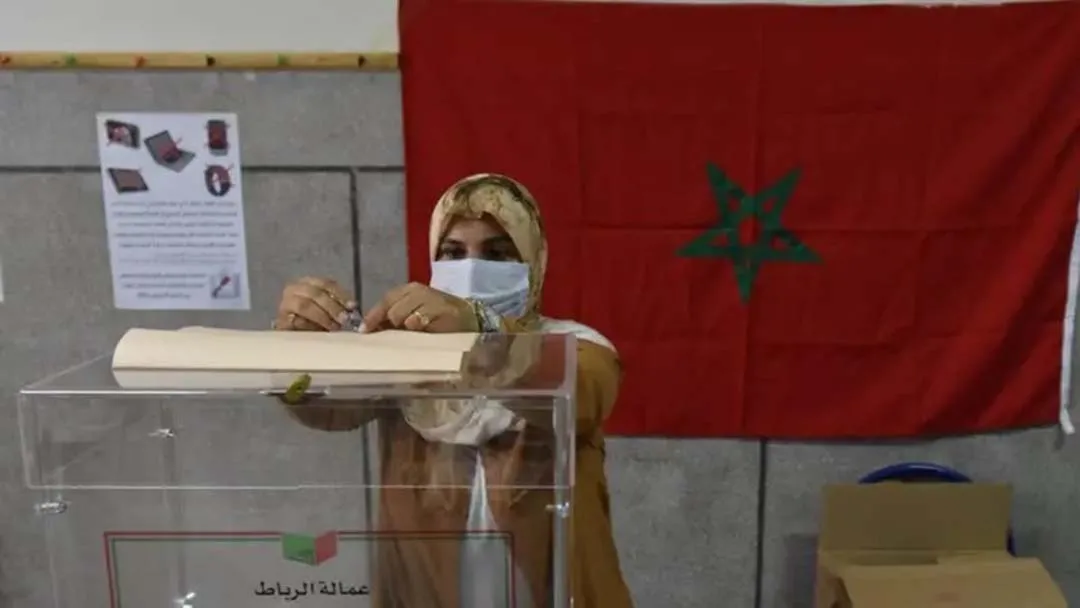
The intricacies of electoral engineering in Morocco are critical to understanding the democratic landscape and political dynamics within the nation. This analysis delves into the various determinants that shape the electoral framework, highlighting the systemic factors that influence the mechanics of elections. Electoral engineering encompasses the design of electoral processes, including the laws, institutions, and systems that govern electoral practices. In Morocco, these elements are influenced by historical, social, and political contexts that have evolved over time, reflecting the interplay between tradition and modern governance.
One of the key aspects of electoral engineering in Morocco is the legal framework that underpins the electoral process. The Moroccan constitution and subsequent electoral laws define the parameters within which elections are conducted, outlining the rights of citizens and the responsibilities of electoral bodies. This legal architecture is instrumental in ensuring transparency and fairness in elections, although it often faces challenges related to implementation and adherence. Additionally, the role of political parties and their ability to mobilize voters is a significant factor that impacts the electoral landscape. The competition among parties, their platforms, and their influence on public opinion are crucial in shaping electoral outcomes.
Moreover, social factors, including demographic shifts and regional disparities, play a pivotal role in influencing electoral behavior. Understanding the electorate's composition, including age, gender, and socioeconomic status, provides insights into voting patterns and preferences. The interaction between these demographic factors and the political environment can lead to varying electoral outcomes, reflecting the diverse interests within Moroccan society.
In conclusion, the examination of electoral engineering in Morocco reveals a complex interplay of legal, political, and social factors that collectively shape the electoral process. As Morocco continues to navigate its democratic journey, understanding these determinants is essential for fostering an inclusive and participatory electoral system that reflects the will of the people. This analysis will be published in the upcoming July 2026 issue of the Arab Future Magazine, providing further insights into this critical aspect of Moroccan governance.
As reported by caus.org.lb.