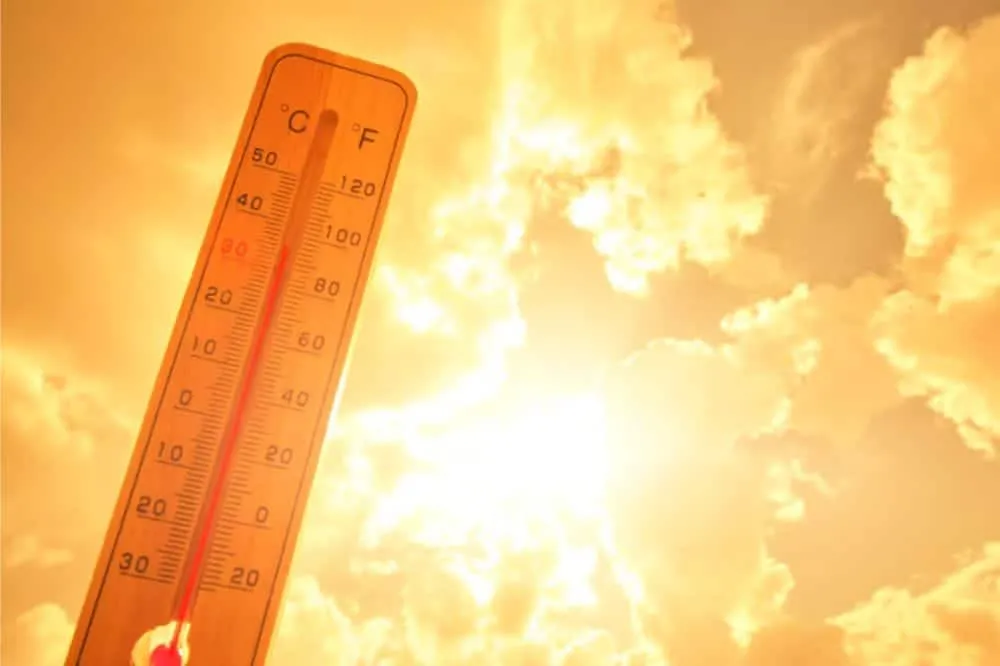
Since May 21, 2026, Morocco has been experiencing an exceptionally early heatwave, with temperatures reaching alarming levels. The city of Khémisset recorded a staggering 44.9 °C on May 23, marking a peak national temperature for the heat event that has gripped the nation. This early onset of heat has left many regions, including coastal cities, grappling with temperatures exceeding 40 °C, creating an unsettling atmosphere reminiscent of summer, rather than spring.
Extreme Temperature Records Across Morocco
The extraordinary surge in temperatures has been attributed to a heat dome established over Western Europe, which is expected to persist until the first days of June. This meteorological phenomenon has caused temperature anomalies ranging from +6 to +10 °C across Morocco, intensifying concerns among climatologists about the increasing frequency of such extreme weather events. In the wake of a rainy winter and a mild spring, the latter half of May has plunged Morocco into a severe heatwave, starkly highlighting the tangible impacts of climate change.
Khémisset has emerged as the epicenter of this heatwave, with temperatures fluctuating between 44.1 °C and 44.9 °C for five consecutive days from May 21 to May 25. Other regions along the Atlantic coast and in the interior have also crossed critical temperature thresholds of 42 °C. Cities such as Sidi Slimane reached 43.5 °C, while Taroudant and Smara recorded 43.7 °C and 43.6 °C, respectively, on May 26. Major urban centers like Marrakech, Rabat, and Casablanca have not been spared, with temperatures hitting 41.1 °C, 40.3 °C, and 41.8 °C, respectively. The General Directorate of Meteorology (DGM) has subsequently issued orange alerts, indicating that temperatures could soar to 44 °C in several Saharan provinces until the end of May.
This alarming trend is not isolated to Morocco; several European cities are also facing unusual heat for May. Countries like Portugal, Spain, and France are experiencing maximum temperatures around 38 °C, while typically cooler regions such as Germany and the UK have seen temperatures surpassing 30 °C, levels rarely recorded during this time of year.
Understanding the Climate Crisis: The Role of Heat Domes
According to meteorological experts, the current heatwave is linked to a robust heat dome positioned over Western Europe, with its southern fringes extending to Morocco. This high-pressure system acts as an atmospheric lid, trapping warm, dry air over extensive areas for several days or even weeks. In prior instances, such as the heatwave from late June to early July 2025, Morocco recorded unprecedented temperatures, with Sidi Slimane reaching a record 47.7 °C.
Data from Climate Pulse, managed by the European Union's Copernicus service, indicates that the temperature anomalies in Morocco are between +6 °C and +10 °C above seasonal norms. The northern Atlantic coast is particularly vulnerable, with noticeable warming beginning as early as May 20. Meanwhile, Europe is experiencing even more severe anomalies, with temperatures in some western regions soaring between +10 °C to +16 °C above seasonal averages, presenting a stark contrast to the typical climate patterns of May.
As climatologists point out, the frequency, intensity, and duration of heat domes are projected to increase due to anthropogenic climate change. Positioned in a highly sensitive climatic transition zone, Morocco is especially susceptible to these extreme thermal episodes. The country has already faced unprecedented seasonal heatwaves, underscoring the urgent need for preparedness against various climate risks, including droughts and sudden floods.
In the face of this relentless heat, public health remains a pressing concern, particularly for the most vulnerable populations. Though a slight cooling is anticipated along the coast due to Atlantic breezes later in the week, the overall intensity and duration of this heatwave could pose serious health risks. The current situation serves as a reminder of the fragile state of Morocco's water resources, especially in regions already experiencing water stress.
As reported by medias24.com.