
Wahbi's Vision for Moroccan Football
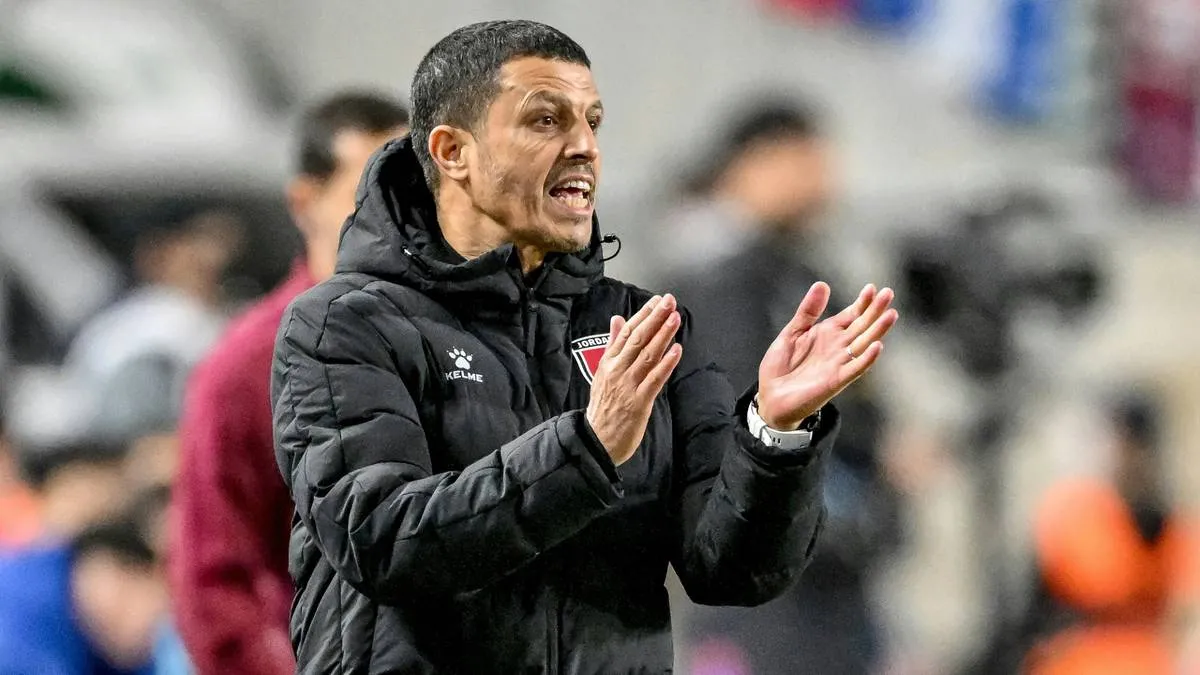
In an inspiring declaration, Wahbi, the Moroccan national football team's coach, has expressed his ambition to elevate Moroccan football to new heights. He aims to achieve this by leveraging the rich legacy of the FIFA World Cup while also integrating the wisdom of experienced players with the fresh energy of the new generation. This strategic approach is designed to not only build on past successes but also to forge a new path forward that resonates with both seasoned fans and the next wave of supporters.
Wahbi's vision is deeply rooted in the belief that the foundation laid by Morocco's historic participation in the World Cup can serve as a springboard for future accomplishments. By mixing the seasoned expertise of veteran players who have faced the world's best with the dynamism and enthusiasm of younger talents, he seeks to create a balanced team that thrives on both experience and innovation. This approach is not just about winning matches; it is about fostering a culture of excellence that can inspire future generations of Moroccan footballers.
Building on the Legacy
The importance of building on the legacy of previous tournaments cannot be overstated. Wahbi recognizes that the memories of Morocco's past World Cup campaigns are not merely nostalgic but can be transformed into motivational tools. Every match played on that grand stage serves as a lesson, and every player who has donned the national jersey carries a story of resilience and determination. Wahbi's strategy involves instilling this sense of history into the current squad, encouraging them to honor the legacy while striving to create their own.
Moreover, by fostering an environment where young talents can learn from their more experienced counterparts, Wahbi aims to establish a strong mentorship dynamic within the team. This synergy is expected to enhance team cohesion, allowing players to develop not only their skills but also their understanding of the game. The blending of experience with youthful exuberance could potentially lead to a more adaptable and resilient team, capable of facing the challenges that lie ahead in international competitions.
As reported by cafonline.com.