Brazil's Journey to the 2026 World Cup
Brazil is set to participate in the 2026 World Cup, marking their 23rd consecutive appearance in the prestigious tournament. However, this time, under the leadership of renowned coach Carlo Ancelotti, the team does not approach the competition with the usual sense of confidence. The road to qualification has been tumultuous, with significant changes within the team structure. Ancelotti aims to lead Brazil not only to the World Cup finals but also to help the nation recover from the haunting memory of the devastating 1:7 loss to Germany in the semifinals of the 2014 home World Cup.
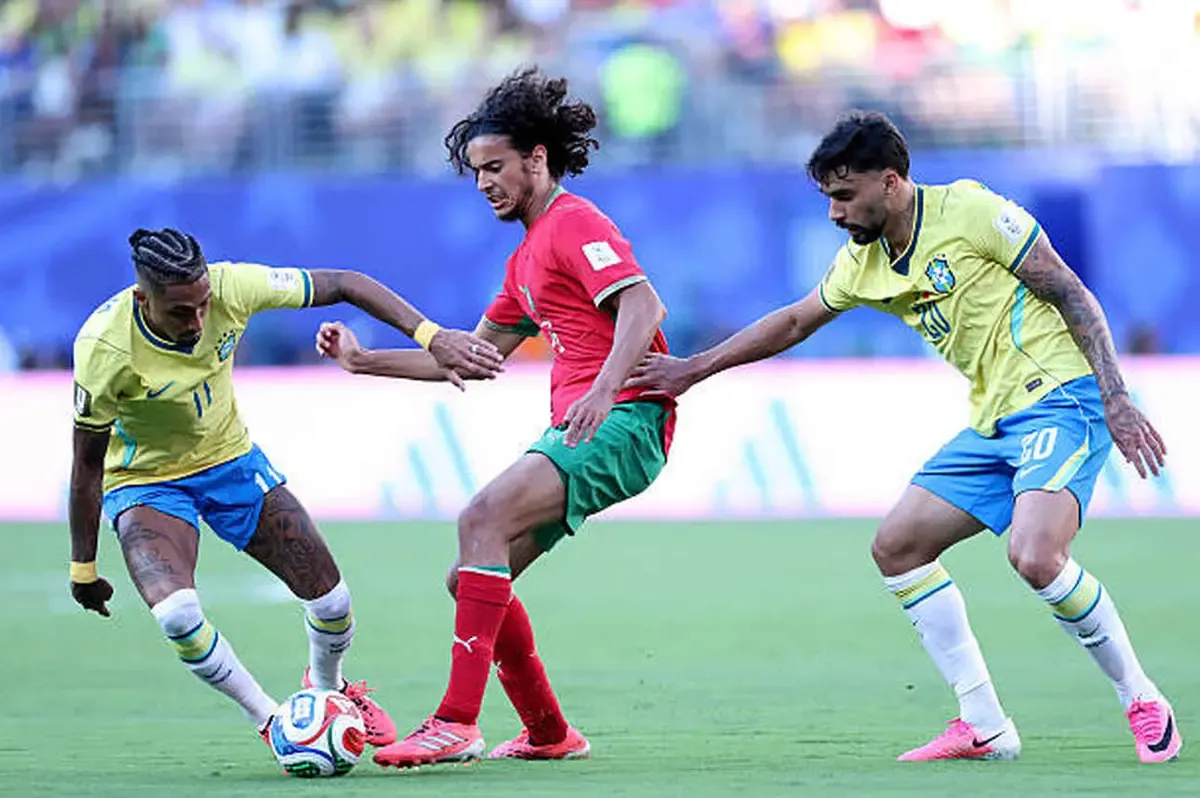
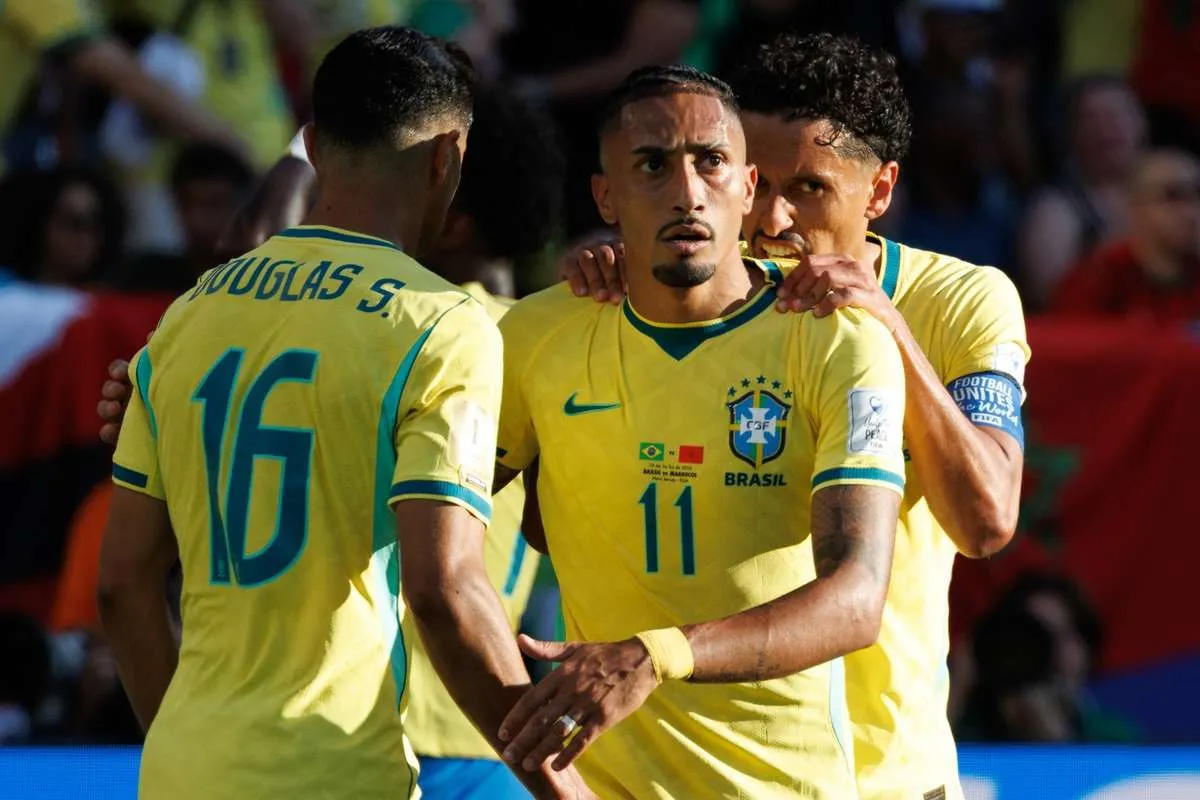
The opening match against Morocco raised numerous questions about the Seleção's current form, with a 1:1 draw leaving both teams somewhat satisfied, though Brazil's own expectations are considerably higher. The team's success in the tournament will heavily depend on their stability and cohesion on the field. Unfortunately, a series of injuries have sidelined key players, including defensive stalwart Éder Militão and promising forwards Rodrygo, Estêvão, and Vitor Roque, which could severely impact team dynamics.
Challenges Ahead for the Brazilian Squad
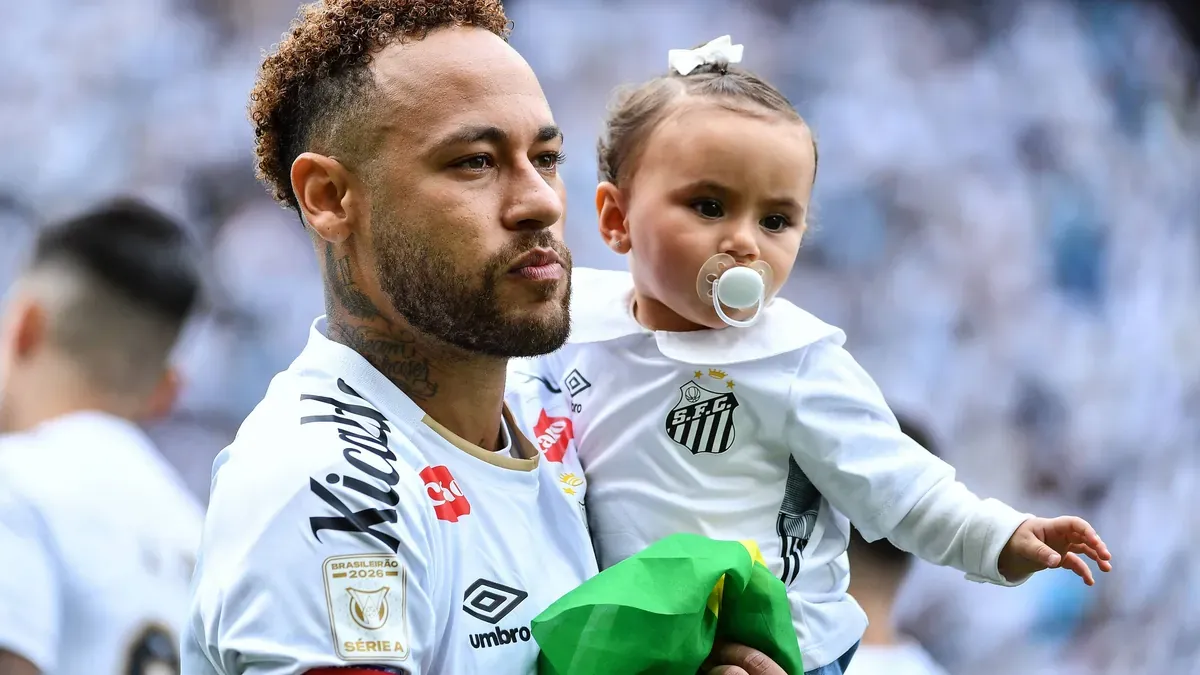
This injury crisis has unexpectedly granted veteran star Neymar a chance to join the World Cup squad. However, Ancelotti now finds himself managing two unpredictable players in Neymar and Vinícius Júnior, both notorious for their dramatic on-field antics. For a team like Brazil, which is already under pressure, further disruption is the last thing they need at this critical juncture.
The path to the 2026 World Cup has been unusually rocky for the Brazilian national team. In the South American CONMEBOL qualification, they played 18 matches, securing victory in only eight, with four draws and six losses, culminating in a fifth-place finish with 28 points. While this was sufficient for direct qualification, it starkly contrasts Brazil's historical dominance in World Cups.
After a promising start with two wins, including a 5:1 thrashing of Bolivia, the team struggled with consistency for months. Their performance at the 2024 Copa América was met with boos from the crowd, and even Brazilian football legend Ronaldinho expressed his discontent, stating that he would no longer watch Brazil's matches. Changes in coaching, fluctuations in form, and defensive vulnerabilities characterized their qualification journey. A narrow 1:0 victory over Paraguay in September ultimately confirmed Brazil's place in the tournament.
As a group leader in the preliminary round of the 2026 World Cup, Brazil will face several opponents in Group C, with all matches scheduled to take place in the United States. Brazil is favored to win the group, but they must prove their caliber, particularly against Morocco.
Ancelotti, one of Europe's most esteemed coaches, has an impressive track record in club football, having managed top teams such as AC Milan, Juventus, Chelsea, Paris Saint-Germain, Real Madrid, and Bayern Munich. He took over the Brazilian national team in the summer ahead of the World Cup in North America, marking his debut on this grand stage. Known for his strong player relationships, clear tactical vision, and calm demeanor during tense moments, Ancelotti’s appointment gives Brazil hope of overcoming their inconsistent qualification performance and re-establishing themselves as title contenders. Observers will be keen to see how he manages the potential disruptions caused by Neymar and Vinícius Júnior.
Under Ancelotti’s guidance, Brazil typically employs a 4-3-3 formation that emphasizes defensive solidity and flexibility in possession. The wide wingers aim to create space, while a defensive midfielder maintains balance and two attacking midfielders inject creativity into the play. Recently, Ancelotti has experimented with different formations, including a 4-2-3-1, showcasing Raphinha in an attacking midfield role rather than on the wing. However, the core defensive structure remains intact, with a commitment to a four-man backline. The defense is expected to remain composed, particularly during pressing phases, to minimize errors in buildup play, an area where they have struggled in recent outings. Ancelotti’s focus appears to lean more towards efficient game control, stable defense, and strategic counter-attacks rather than solely on flamboyant attacking football.
Since the inception of the World Cup in 1930, Brazil is the only team to have participated in every tournament, boasting five championships, more than any other nation. However, since their last triumph in 2002, they have not reached another final, with their journey ending in the quarter-finals at the 2022 World Cup.
As reported by t-online.de.