Omar Hilal Advocates for Closure of the Moroccan Sahara Dispute
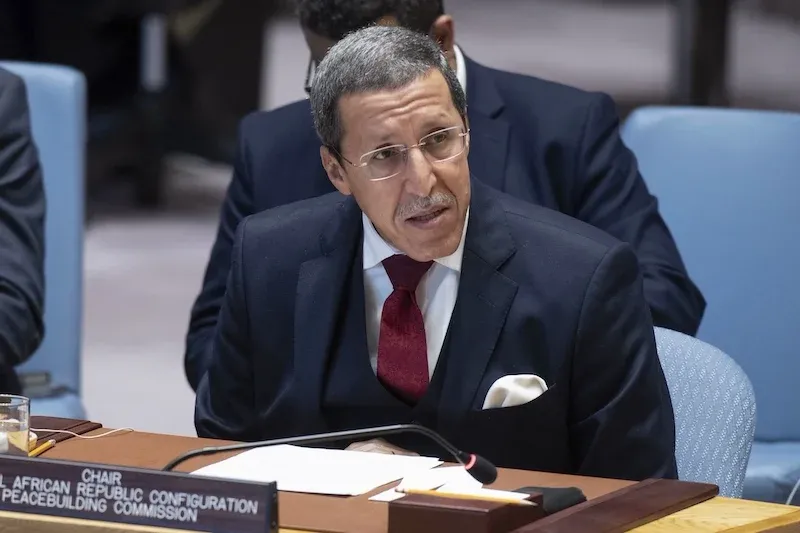
During a recent regional conference of the UN's Committee of 24 held from May 25 to 27 in Managua, Nicaragua, Omar Hilal, Morocco's permanent representative to the United Nations, emphasized that the ongoing discussion surrounding the Moroccan Sahara issue is outdated. Hilal stated that keeping this matter on the agenda of the Committee of 24 is a violation of Article 12 of the United Nations Charter, which prioritizes the Security Council over subsidiary bodies of the General Assembly. He pointed out that the situation has become even more pronounced today, especially given the unprecedented diplomatic momentum surrounding the Sahara file following the adoption of resolution 2797.
Hilal highlighted that the Security Council, through resolution 2797, laid out a clear path facilitated by the personal envoy of the UN Secretary-General and supported significantly by the United States, establishing the Moroccan autonomy plan as the only serious and credible basis for reaching a final settlement. He reaffirmed the responsibility of the four parties involved: Morocco, Algeria, Mauritania, and the Polisario Front, in this political process.
In his remarks, Hilal asserted that the time for evasive tactics and outdated ideological discourse is over, stressing the need for courageous actions and initiatives expected by the Security Council from the four parties, particularly Algeria and the Polisario Front. He noted that Morocco has linked its actions to its statements, having presented a detailed proposal for its autonomy plan immediately after the adoption of resolution 2797, thus paving the way for a promising atmosphere in discussions held in Washington and Madrid.
Hilal reminded all parties that this issue falls under the exclusive jurisdiction of the Security Council regarding peace and security matters, rather than remaining a part of an ideological narrative concerning decolonization, which some continue to insist on during such conferences. He pointed out that this high UN body holds the ultimate responsibility for maintaining international peace and security, having decisively concluded through resolution 2797 in favor of a peaceful and negotiated end to this regional dispute that has lasted over half a century.
Furthermore, he noted that this new dynamic is the result of a gradually solidified international consensus around the Moroccan autonomy initiative since its introduction in 2007, which has garnered support from 130 UN member states, thus reinforcing the autonomy plan as the only viable political solution for sustainable resolution. Hilal remarked that despite the promising nature of this dynamic, it cannot continue in the face of the other parties' procrastination and evasion of their commitments to the political process overseers. He emphasized that the other parties now face a historic choice: to seize this opportunity to close the chapter on a dispute lasting over fifty years and put an end to the suffering of those in exile and the living conditions of the Tindouf camps, or to maintain the status quo, which carries security risks and stifles the aspirations of the region's peoples.
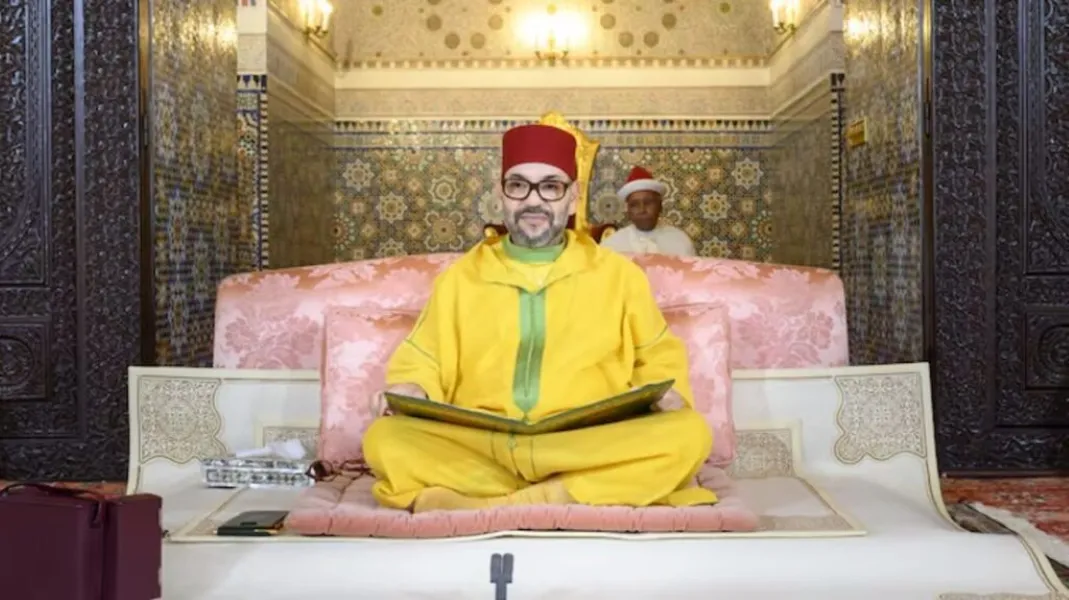
In conclusion, Hilal reiterated the historical responsibilities of the parties regarding any delays or obstructions in this process. He also addressed the significant transformation occurring in the Moroccan Sahara, driven by King Mohammed VI's vision, which is embodied in the new development model for the southern regions. This transformation is evident through modern infrastructure, renewable energy, blue economy initiatives, education, and healthcare, showcasing a reality that reflects rooted development aimed at achieving dignity and a promising future.
In his final remarks, Hilal referenced the King's outreach policy, quoting a passage from the royal speech following the historic adoption of resolution 2797, which stated that despite the positive developments concerning Morocco's territorial integrity, the nation remains committed to finding a solution that leaves no victor or vanquished, ensuring the dignity of all parties involved. He concluded that this royal expression of goodwill embodies the essence of Morocco's approach to its national issue: with responsibility, seriousness, and a profound conviction that a fair and lasting political solution is possible, provided that the other parties exhibit the courage to embrace it.
As reported by hespress.com.