Ongoing Controversies in the EU-Morocco Agreement
The recent amendments made by the European Commission in September 2025 to the EU-Morocco agreement have had significant implications, particularly regarding the inclusion of agricultural products from Western Sahara. This modification was implemented to comply with a ruling from the Court of Justice of the European Union (CJEU), which deemed it illegal to incorporate the fruits of this territory into the trade preferences. Almost a year after its implementation, the provisional nature of this modification continues to be a subject of legal and political debate. The Commission's strategy to maintain its alliance with the Moroccan Kingdom, led by King Mohammed VI, involved an urgent procedural tactic that allowed the Council's approval to facilitate its temporary execution without immediate oversight from the European Parliament, at least until a final ratification is required by the Eurochamber in Strasbourg.
The Commission is currently in the process of revising the agricultural and fishing agreements with Morocco. However, there has been no indication of a timeline for this vote, as Council sources reveal that this decision is separate from the protocols addressing agricultural exploitation in Western Sahara. The uncertainty surrounding these discussions is compounded by the absence of a clear majority in the European Parliament, where many lawmakers express skepticism regarding the legality of the arguments used by the European Commission to justify the inclusion of Western Sahara crops in the trade preferences.
Political Maneuvering and Future Implications
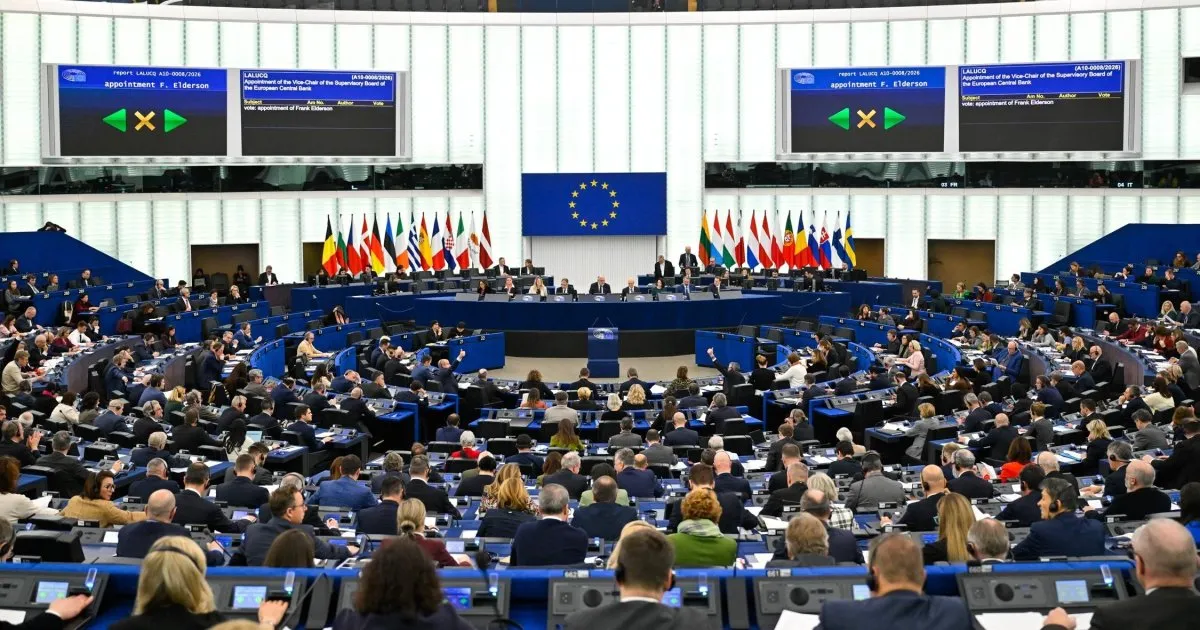
There is a palpable sense of hesitation among parliamentarians, as the Commission assumes support from the Council, particularly from Spain and France, the only directly affected member states advocating for final ratification. However, the Commission lacks confidence regarding the majority in the Eurochamber. In a narrow vote last November, the European Parliament approved the Commission's proposal to label products from Western Sahara as Moroccan, indicating potential challenges for the upcoming vote on the overall agreement, which is expected to be closely contested.
The Commission is currently engaged in behind-the-scenes negotiations with various political groups to sway opinions in its favor before presenting the ratification vote to the Eurochamber. Sources close to the situation emphasize that Ursula von der Leyen, the Commission President, is keen to avoid another legal dispute in the CJEU, similar to the ongoing request for a ruling on whether the EU-Mercosur agreement complies with EU treaties. The Commission’s approach to integrating its interests and those of Morocco concerning Western Sahara into its commercial framework hinges on the presumption of consent from the Sahrawi people for the exploitation of natural resources in the territory. The Council has maintained that, in the case of a non-self-governing territory like Western Sahara, implicit consent is sufficient.
According to EU guidelines, consent can be assumed as long as the agreement does not impose any obligations on the Sahrawi people, and they receive a specific, tangible, substantial, and verifiable benefit from the exploitation of their resources, proportionate to the level of exploitation. The Commission argues that the expiration of the EU-Morocco agreement would negatively impact the Sahrawis, as preferential access to the EU for fruits, vegetables, fish, and seafood from Western Sahara plays a crucial role in sustaining the local economy.
As reported by eldebate.com.