Geopolitical Strains Impacting Global Economic Stability
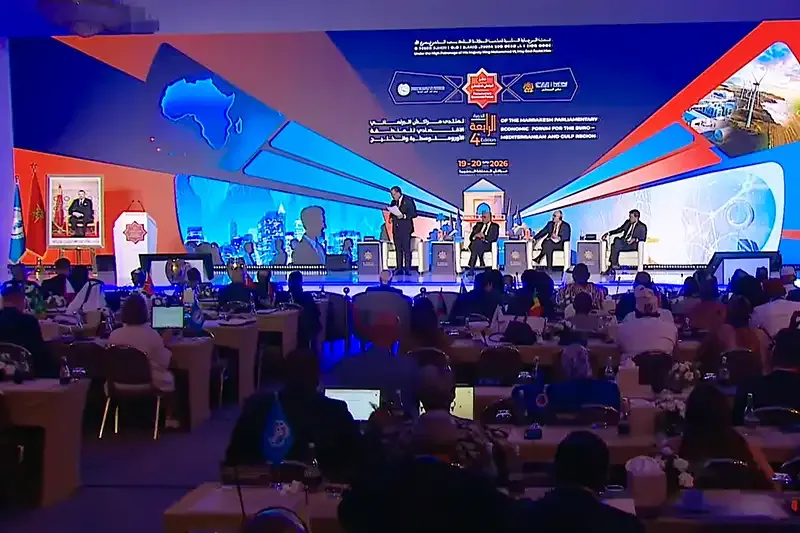
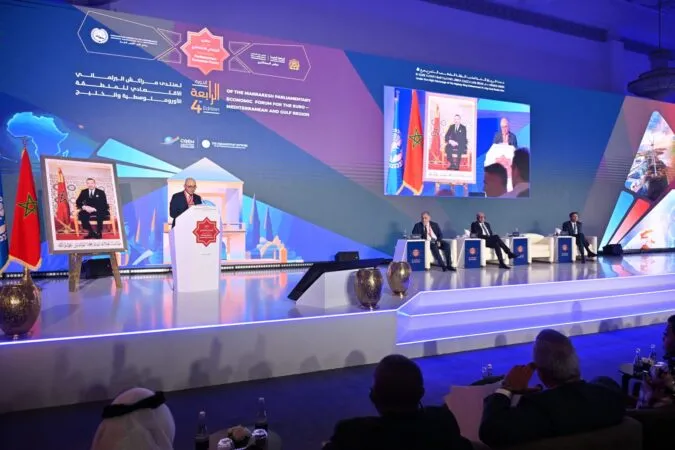
Brett Reiner, the Vice President of the North Africa Division at the International Monetary Fund (IMF), has issued a stern warning regarding the profound disruptions caused by successive geopolitical shocks, which have significantly impacted the global economy. These effects have reverberated through vital sectors such as air transport, maritime insurance, and food security, particularly in low-income countries. During a discussion held on Friday in Marrakech, as part of the fourth session of the Marrakech Parliamentary Economic Forum for the Euro-Mediterranean and Gulf region, Reiner emphasized that ongoing conflicts and soaring energy prices could exacerbate inflationary pressures while diminishing the economic margins available to nations.
In a session dedicated to exploring the global challenges facing economic integration, free trade, and public debt, Reiner articulated that economic integration and securing trade corridors are now intricately linked to resilience and the diversification of connectivity pathways. He cited the automotive sector and the Tangier-Med Port as prime examples that highlight the critical importance of stability, infrastructure development, and human resource enhancement in making economies more attractive to private investment.
Investment Strategies and Structural Reforms for Economic Resilience
During the same session, financial and economic experts stressed that successfully attracting private investments and securing trade routes necessitates accelerating both the energy and digital transitions. Furthermore, it is essential to invest in human capital and implement structural reforms that enjoy broad consensus, thereby shielding investors from the risks associated with political volatility. The speakers pointed out that addressing challenges related to inflation, rising capital costs, and weak infrastructure demands a strong political commitment that ensures clarity of vision and predictability of economic policies.
Abdullah Jafri, the Director of the Gulf Cooperation Council Division at the International Finance Corporation, a member of the World Bank Group, remarked that investment flows tend to gravitate towards economies that can provide a stable and predictable environment. He underscored the importance of sound public debt management, the stability of public policies, and the development of fundable projects, particularly within the framework of public-private partnerships. Jafri also highlighted the role of international financing institutions through mechanisms for "affordable financing," aimed at balancing risks and returns to stimulate private sector investments, asserting that framing reforms within clear legal frameworks is one of the most crucial factors in reassuring investors.
In a cautionary note, Violeta Gonzalez, a representative from the World Trade Organization, warned about the challenges facing the international trading system. She called for a swift reform of the organization to adapt to digital and environmental transformations and to enhance the capacity of the multilateral trading system to respond to current changes.
As reported by alyaoum24.com.