China's Proposal for a Free Trade Agreement with Morocco
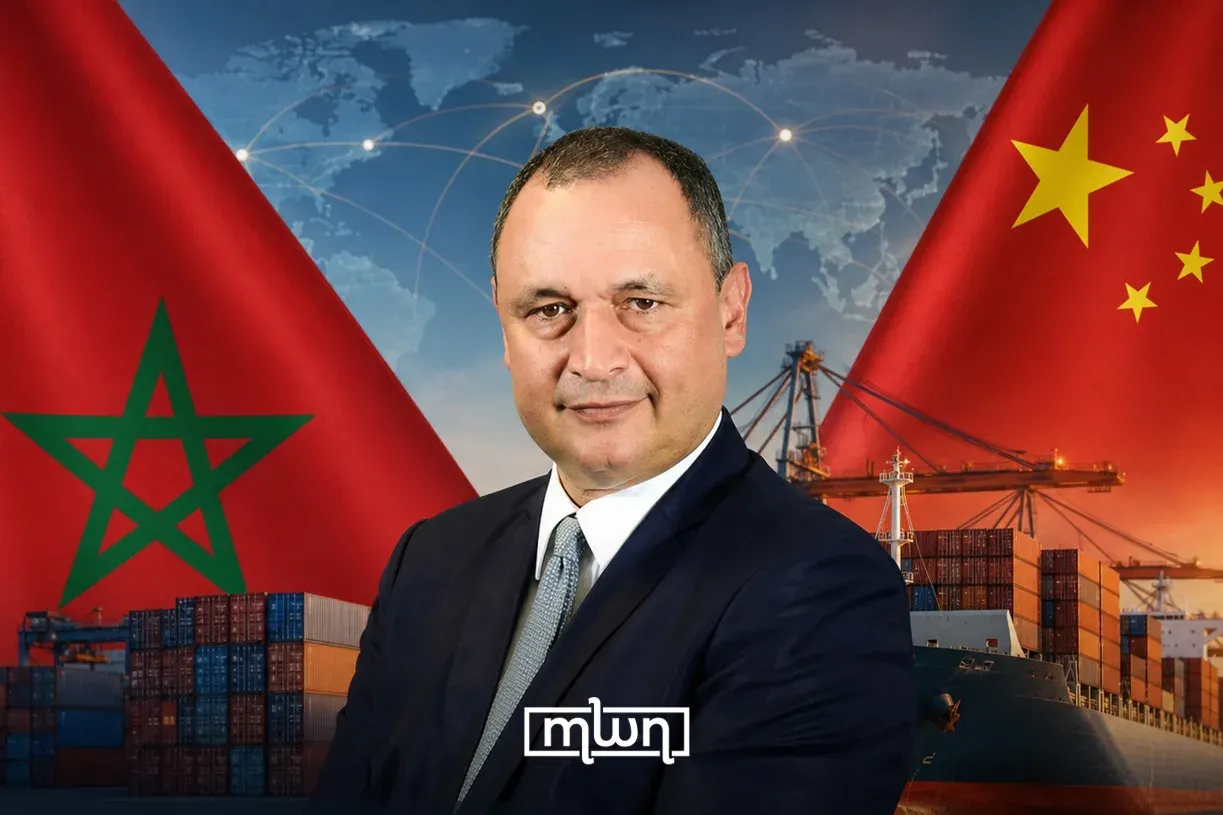
In a significant development in international trade relations, Beijing has officially initiated discussions with Rabat regarding a potential bilateral free trade agreement. This was revealed by Morocco's Industry and Trade Minister, Ryad Mezzour, in a recent interview with Bloomberg published on June 12. This proposal reshapes the dynamics of trade between Morocco, a nation with ambitious economic goals, and China, the world’s second-largest economy, while also raising concerns in Europe about the implications of such a partnership.
As stated by Mezzour, Morocco is currently evaluating the implications of this proposed agreement, undertaking a detailed impact assessment. However, formal negotiations have yet to commence. The stakes are high; a free trade agreement with China would open up its vast market of 1.4 billion consumers to Moroccan manufacturers, potentially reducing Morocco's long-standing reliance on European markets that have dominated its trade landscape for decades.
Trade Dynamics and Economic Considerations
The timing of China's overture is particularly noteworthy, as trade between Morocco and China surged to an impressive $10.96 billion in 2025, climbing from $9.04 billion the previous year. This elevates China to the position of Morocco's third-largest trading partner globally, and its primary partner in Asia. However, the trade relationship remains heavily skewed in favor of China, with Moroccan exports amounting to only $1.08 billion compared to Chinese exports of $9.88 billion. This imbalance highlights a need for Morocco to approach any potential agreement with caution, especially in light of China's zero-tariff policy for 53 African nations, which aims to alleviate trade deficits.
Morocco boasts significant export capabilities, particularly in sectors such as argan oil, where it holds over 90% of the global supply, and phosphate, with the largest reserves in the world. Additionally, the nation is enriching its export portfolio with products like citrus, olive oil, and automotive components. However, historical context serves as a warning; Morocco's previous free trade agreement with the United States, while expanding bilateral trade, led to a significant trade surplus for the U.S., raising concerns about similar outcomes if a deal with China is struck.
Moreover, the backdrop of increasing protectionism in the United States, particularly under the Trump administration, adds another layer of complexity to Morocco’s considerations. With tariffs imposed on Moroccan goods despite existing trade agreements, Rabat is increasingly looking towards China, which is actively reducing tariffs for African nations. This shift in global trade dynamics compels Morocco to closely evaluate any potential agreement with Beijing, ensuring it aligns with the country's broader economic strategies and existing trade commitments.
As Morocco navigates its place in this evolving landscape, the potential free trade agreement with China represents both an opportunity for economic expansion and a challenge to maintain balance in its relationships with European partners. The Moroccan government remains committed to transparency and stakeholder consultation, emphasizing the need to assess the potential economic impacts carefully before proceeding with any formal agreements.
As reported by moroccoworldnews.com.