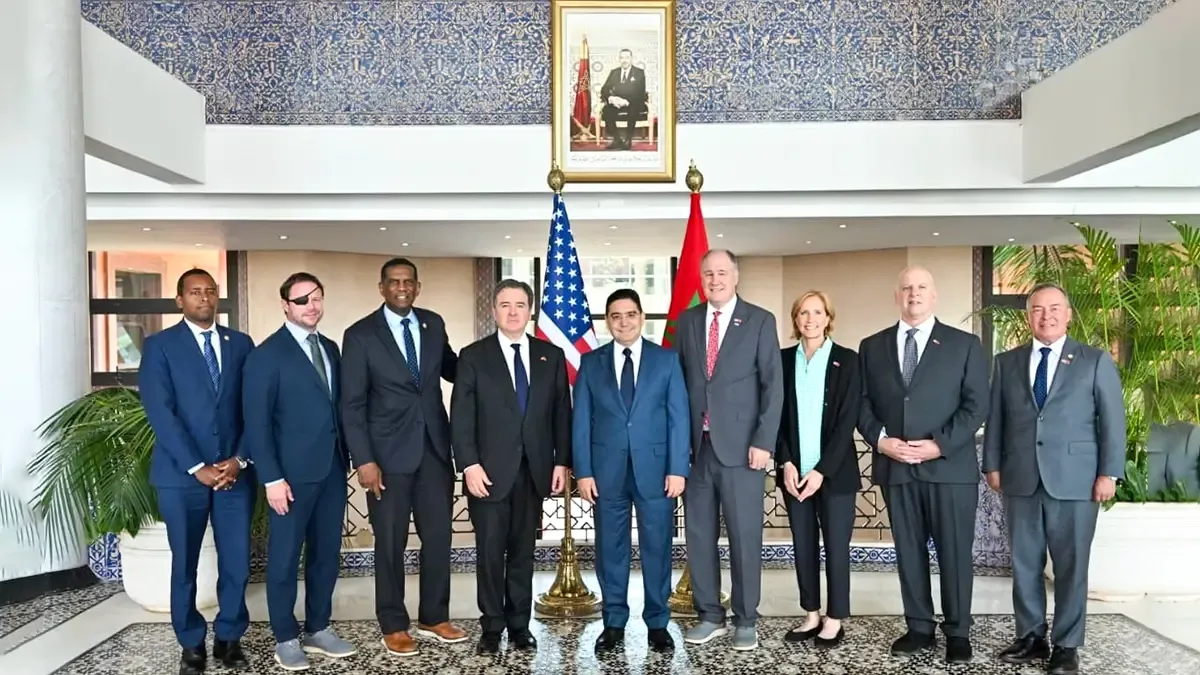
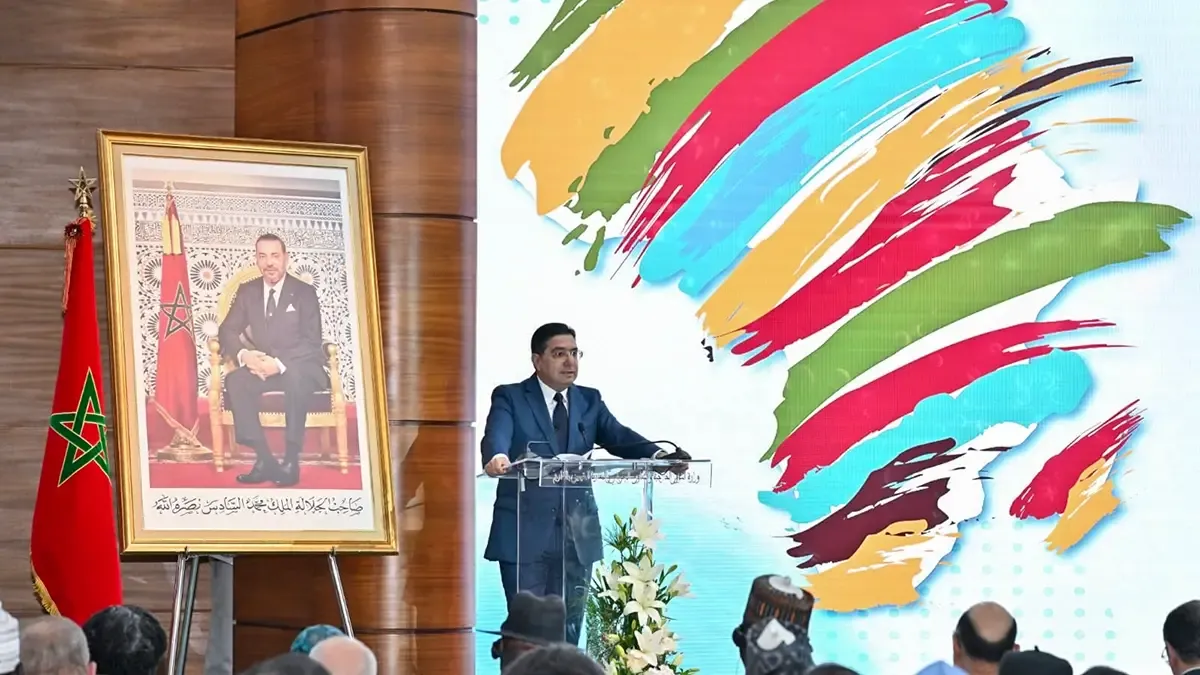
On Africa Day 2026, celebrated in Rabat, Morocco seized the opportunity to reaffirm its dedication to the African continent as a pivotal aspect of its foreign policy. The event, spearheaded by Foreign Minister Nasser Bourita, transcended the formality of a traditional ceremony, evolving into a strategic forum where the so-called "royal vision for Africa" was prominently showcased. According to the Moroccan Ministry of Foreign Affairs, Bourita highlighted that Morocco’s engagement with Africa is not merely about geographical proximity or superficial cooperation; instead, it is anchored in a profound and structural sense of belonging. Throughout the event, he articulated a compelling narrative that "Africa is not a sphere of foreign policy, but a sphere of shared identity," a sentiment that has resonated through various recent diplomatic discussions, thereby reinforcing Morocco's commitment to its African identity.
Central to this vision is the notion of Africa as a space for integration rather than merely a platform for cooperation. Bourita emphasized that South-South cooperation must evolve beyond mere rhetoric and manifest into "tangible projects that change the continent’s economic conditions." The official discourse underscored critical areas such as food security, energy transition, and water management as fundamental pillars, all of which align with Morocco's broader strategy to enhance continental connectivity.
Prioritizing Cooperation and Infrastructure for African Integration
One of the most significant themes in Bourita’s address was the urgent need for enhanced African integration through robust infrastructure and cross-border initiatives. He asserted that "no sustainable development in Africa will be possible without efficient logistics corridors and without genuine openness between regions." This vision directly correlates with ambitious projects like the Nigeria-Morocco gas pipeline, overseen by the national hydrocarbons office (ONHYM), and the Atlantic Initiative aimed at supporting Sahel countries by improving their access to the ocean. Bourita characterized the Atlantic axis as "a new frontier of African integration," advocating for the ocean to serve as a conduit for economic and political connectivity rather than a barrier. In this context, Morocco positions itself as a crucial link between West Africa, the Atlantic, and Europe, emphasizing that these initiatives form a cohesive "continental architecture of interdependence" where infrastructure serves as the foundation for political integration.
Morocco's Role in Regional Stability and Diplomatic Relations
The narrative surrounding the Sahel region frequently emerged throughout the discussions, with Bourita stressing that "the stability of the Sahel is inseparable from the stability of Africa as a whole," alluding to the complex political landscape of the region. He presented the Atlantic Initiative as a strategic proposal aimed at facilitating structural access for countries to international markets, operating within the institutional framework of the African Union, which Morocco has actively engaged with since its return in 2017. This positioning casts Morocco not just as a partner, but as a pivotal actor capable of mediating and influencing regional dynamics, particularly in West Africa and the Sahel.
Moreover, despite the celebration of Africa Day, the political implications surrounding Western Sahara were unmistakably woven into the discourse. Bourita asserted that "African support for Morocco’s territorial integrity reflects a natural evolution of the state’s relations with its continental environment," linking this support to Morocco's strategy of economic cooperation and its institutional presence across Africa, further bolstered by multilateral and financial organizations like the African Development Bank.
Ultimately, the hallmark of Bourita’s discourse was the unwavering emphasis on Morocco’s African identity. He reiterated multiple times that "Morocco does not address Africa, but is part of it by virtue of its geographical and historical origins." This perspective underpins a foreign policy that integrates investment, diplomacy, infrastructure, and technical cooperation within a singular conceptual framework. In Bourita’s view, "the future of Africa cannot be built without African actors who are fully committed to their own continent." Therefore, Africa Day in Rabat served not only as a celebration but also as a reaffirmation of Morocco’s strategic commitment to the continent, particularly in light of its reintegration into the African Union and its increasingly significant role on the continental stage.
As reported by atalayar.com.