Morocco's Strategic Autonomy Initiative Gains Traction in Italy
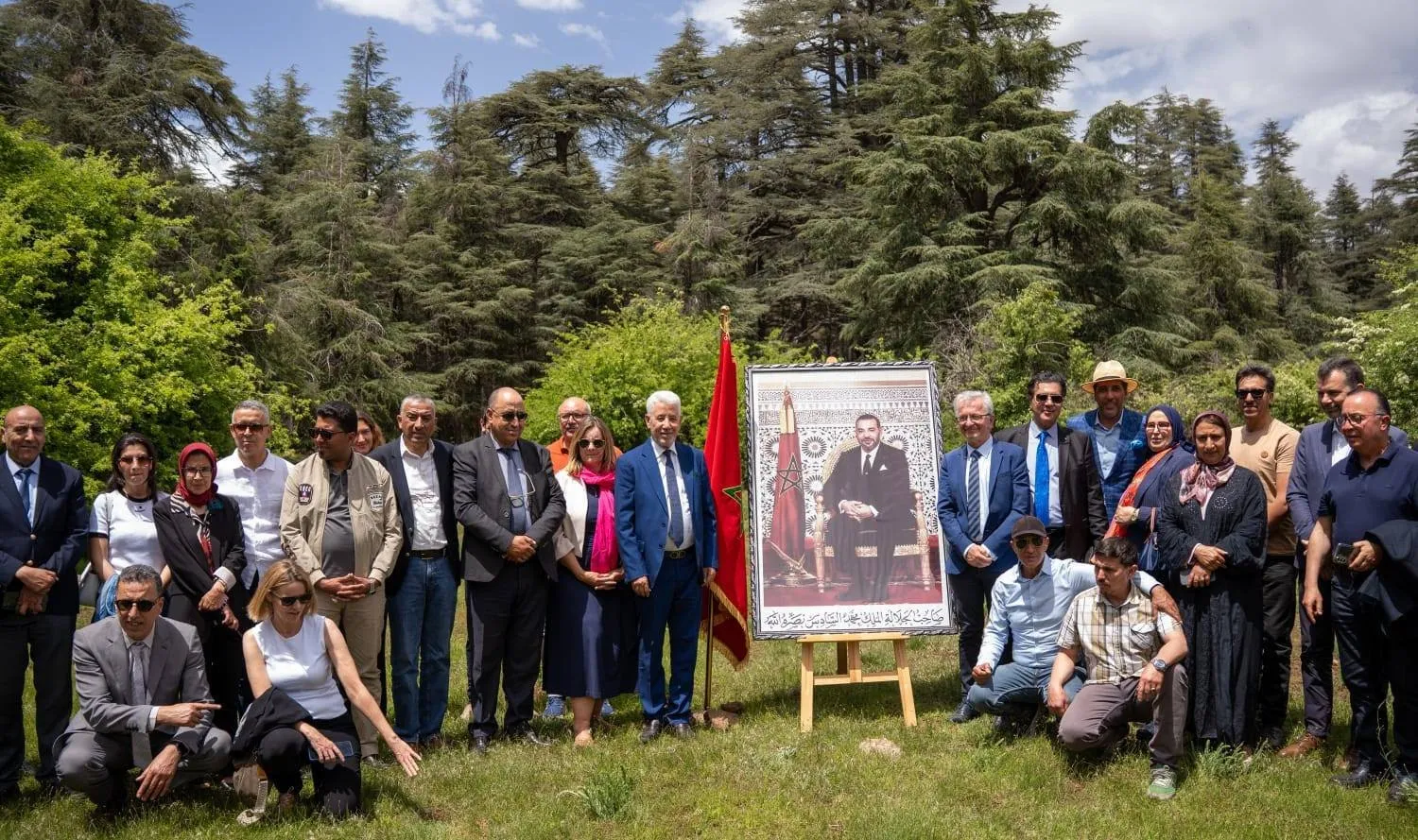
During a significant meeting held in Verona, Italy, officials and scholars convened to discuss the pressing relevance of Morocco’s autonomy plan, which was originally introduced as a political framework aimed at fostering regional stability amid the security challenges prevalent in the Sahel-Saharan region. The discussions underscored the critical importance of this initiative, particularly in light of ongoing disputes surrounding the Moroccan Sahara.
The gathering featured a diverse group of Italian and Moroccan experts, academics, and officials, all focused on the theme “Autonomy and Regionalized Governance: Comparative Perspectives on the Italian Experience and the Moroccan Approach.” This theme allowed for a rich exploration of the institutional and regional dimensions of Morocco’s autonomy initiative, which has been positioned as a viable solution to the persistent security dilemmas faced in the Sahel-Saharan area.
Participants at the meeting were unanimous in their assertion that the autonomy plan presented by Morocco in 2007 stands as “the only pragmatic framework” capable of paving the way for a durable political resolution while simultaneously bolstering regional stability. Notably, several speakers drew analogies between the Moroccan plan and various Italian experiences of regional autonomy, thereby enriching the discourse around comparative governance models.
Italian Senator Luigi Spagnolli, representing the Trentino-Alto Adige region, emphasized the significance of United Nations Security Council Resolution 2797, adopted on October 31, 2025, which recognized the Moroccan autonomy initiative as the foundational element for the political dialogue facilitated under UN auspices. He further referenced the Moroccan Constitution’s preamble, which celebrates the Kingdom’s “plural identity” and the richness of its cultural and historical heritage—elements he believes contribute to national unity.
Italian political scientist Marco Baratto also contributed to the discussion by asserting that autonomy under Moroccan sovereignty provides “a sustainable political perspective.” He elaborated on how this autonomy is linked to the institutional dynamics and investments made in Morocco's southern provinces. Drawing a parallel to the Special Statute granted to Sicily in 1946, Baratto posited that both models serve the dual purpose of fostering national unity and ensuring regional stability.
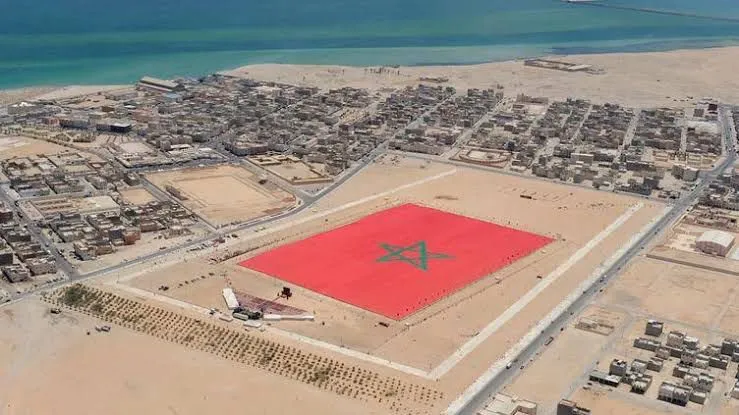
Further insights were provided by Yasmine El Hassnaoui, a professor of international relations, who articulated that the autonomy plan adeptly reconciles the concepts of “unity and diversity, sovereignty and self-governance.” She highlighted the significant investments made in Morocco's southern provinces, particularly in sectors such as infrastructure, renewable energy, transportation, and logistics, which are crucial for regional development.
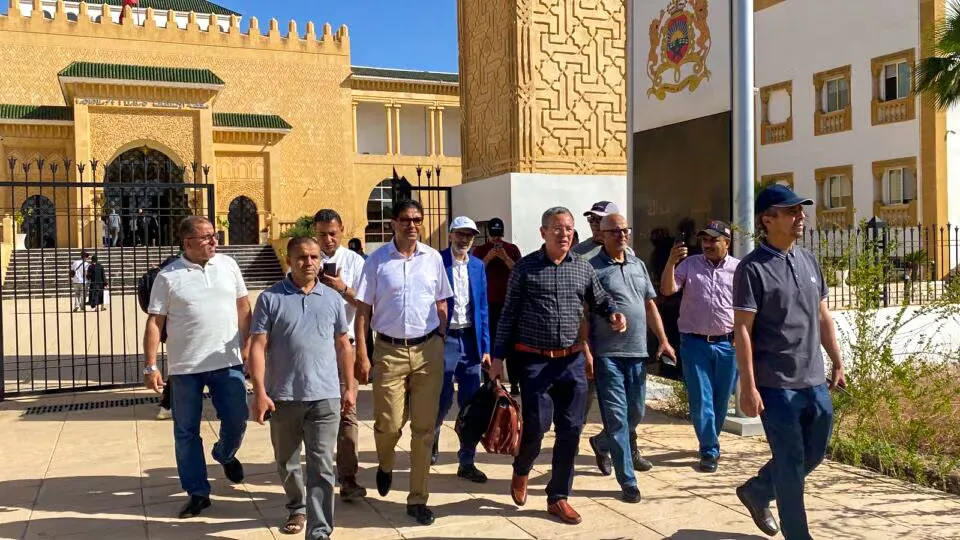
This important meeting also attracted various Italian regional officials alongside members of the Moroccan community residing in Italy, further emphasizing the collaborative spirit and shared interests in fostering stability and development in the region.
As reported by kbc.co.ke.