Political Fragmentation in Morocco's Economic Reforms
In a significant plenary session held on Tuesday, the House of Councillors in Morocco voted against two critical draft proposals that reflect deep political divisions over pressing economic issues: fuel pricing and the future of the Samir refinery. The rejection of these proposals was marked by a vote in which 29 councillors opposed the initiatives, demonstrating a lack of unity even within the governing majority. Notably, representatives from the General Union of Moroccan Workers, which is affiliated with the Independence Party, also joined the opposition, highlighting the contentious nature of these discussions.
Only 10 councillors cast their votes in favor of the proposals, while one member from the Socialist Group chose to abstain. The Justice and Development Party, a key political player, opted to abstain from participating in the vote altogether. This outcome reignites a longstanding debate surrounding fuel prices, a topic that has consistently captivated both parliamentary discourse and public attention in Morocco.
Parliamentarians and union representatives continue to advocate for strategies aimed at mitigating the effects of fluctuating international oil prices on the purchasing power of households. Among the proposed measures are calls for establishing a price ceiling and revising the rules governing market operations, which have become increasingly critical in light of rising costs.
Debate Over Samir Refinery Nationalization
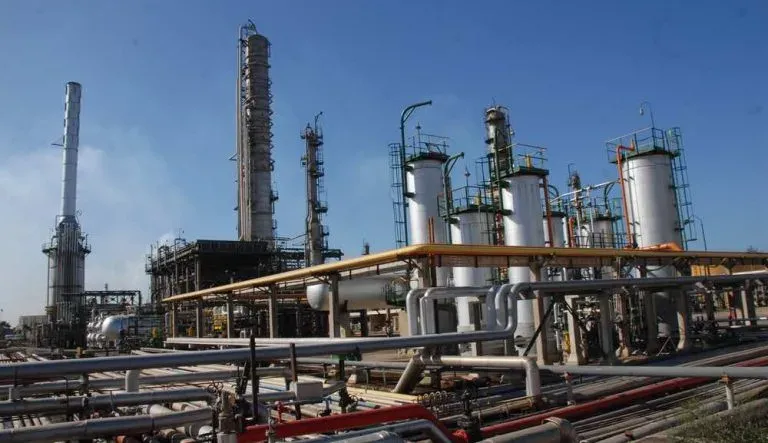
The second proposal that faced rejection focused on the transfer of Samir's assets to state ownership, a move that stoked fresh discussions about one of Morocco's most sensitive economic issues. Proponents of this initiative argue that restoring public control over the previously state-owned refinery could enhance national fuel reserves and ensure more stable supply chains. Conversely, opponents—including some aligned with the current government—advocate for alternative strategies to address the company's ongoing financial collapse and ambiguous future.
This vote not only underscores the widening ideological divide regarding energy policy in Morocco but also reflects the growing public concern regarding fuel costs. The lack of consensus on long-term regulatory frameworks further complicates the matter. Previous legislative attempts related to this package have already created political friction between Prime Minister Aziz Akhannouch’s government and various parliamentary factions. The push for several proposals, without complete alignment from the executive branch, has revealed significant gaps in coordination regarding sensitive economic reforms.
The issues surrounding the Samir refinery remain a focal point in political discussions due to their strategic importance, with divergent opinions on how best to address its financial troubles and the broader implications for national energy security. As the dialogue continues, it is evident that finding a unified approach to these critical economic challenges will require overcoming substantial political fragmentation.
As reported by moroccoworldnews.com.