EU-Morocco Trade Agreement Faces Legal Challenges
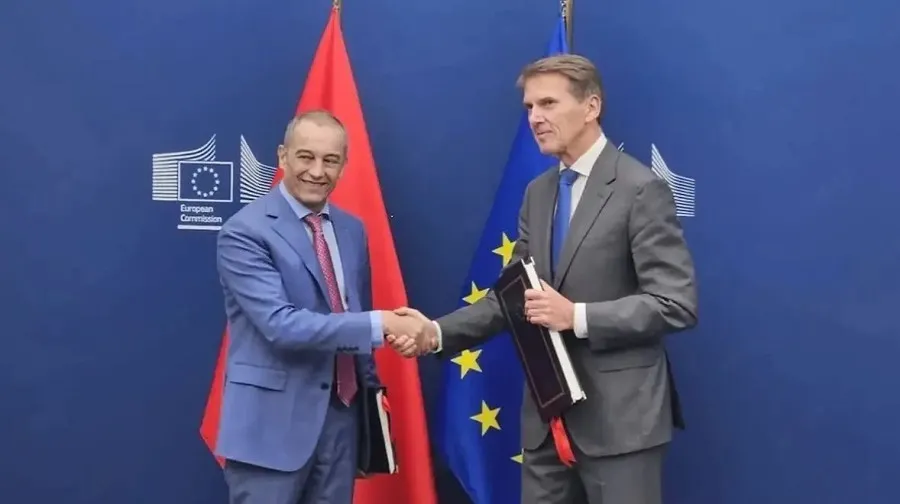
The ratification of the trade agreement between the European Union and Morocco is increasingly being jeopardized amidst significant legal uncertainties regarding the integration of agricultural products from the illegally occupied Western Sahara. This issue, already weakened by several rulings from the Court of Justice of the European Union (CJEU), highlights a profound imbalance between political calculations and the demands of European law. Over recent years, the CJEU has made it clear that agreements made with Morocco cannot apply to Western Sahara without the explicit consent of its people. These rulings have led to the partial annulment of many aspects of agricultural and fishing agreements, compelling the European Commission to reassess its approach. However, the technical solution adopted by Brussels, which involves temporarily maintaining trade while modifying origin rules, is now being contested from all sides.
Implications for Morocco and Western Sahara
For Morocco, this situation represents a significant setback. Rabat's primary economic leverage with the European Union is now undermined, while its strategy to integrate products from Western Sahara into European trade preferences faces formidable legal barriers. The European Commission's use of an emergency procedure, allowing for provisional application without immediate parliamentary vote, seems to be a way to circumvent international law, yet it fails to address the core issue at hand. Conversely, this scenario marks an indirect advancement for the position of Western Sahara. By reaffirming the necessity of consent from its population and imposing strict constraints on product labeling and origin, European institutions are effectively reinforcing the legal recognition of its distinct status. Several Members of the European Parliament and legal experts note that these developments strengthen CJEU jurisprudence and limit the ability of third states to unilaterally extend trade agreements to Sahrawi territory.
According to various analyses reported in Brussels, the European Commission itself is now apprehensive about the potential rejection of the text during its final ratification in the European Parliament, where deep divisions exist. This institutional deadlock illustrates the growing tensions between the desire to maintain an illegal partnership with Morocco and the obligation to adhere to European and international law. In this context, the balance of the EU-Morocco agreement has shifted against Rabat, while the legal constraints arising from CJEU decisions progressively bolster the position of Western Sahara on the European stage, marking a new victory against the Makhzen.
As reported by algeriepatriotique.com.