
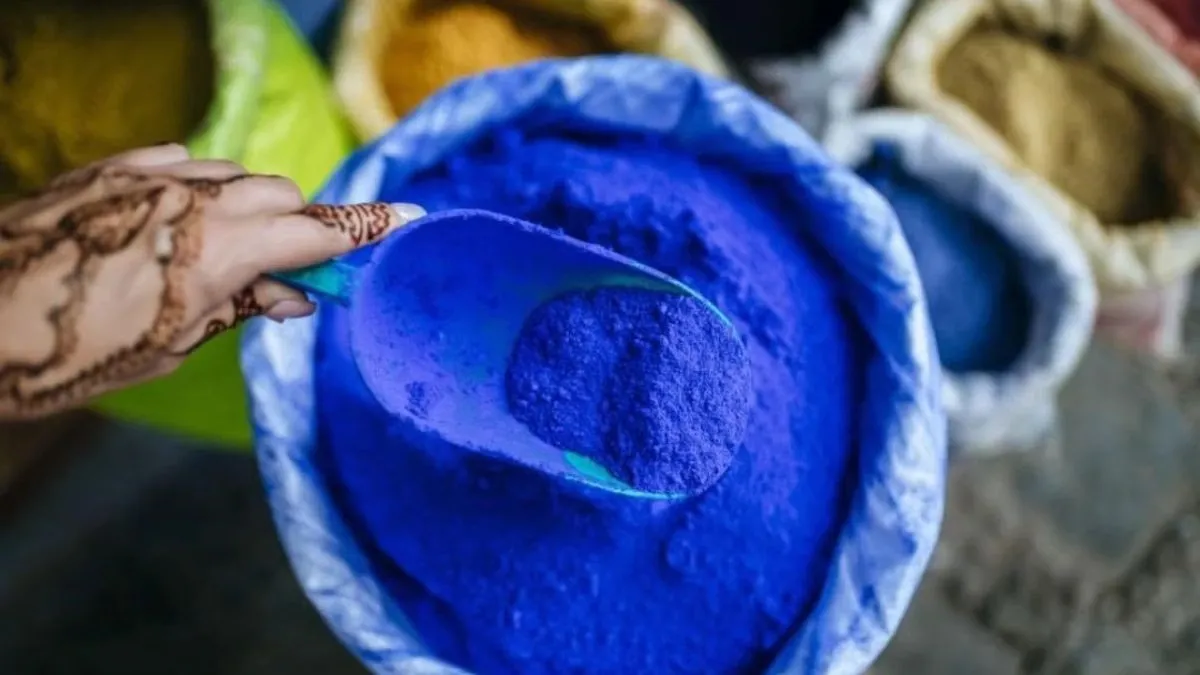
Exploring the Allure of Moroccan Nila Powder
In recent times, beauty influencers have been enthusiastically promoting Moroccan Nila powder, commonly referred to as blue clay or blue powder, as a natural remedy for achieving brighter and more radiant skin, tackling pigmentation issues, and ensuring a more even complexion. However, it is crucial to approach such beauty trends with a blend of cultural appreciation and scientific examination. This traditional cosmetic, deeply rooted in Moroccan culture, has been utilized for generations, particularly in women’s beauty rituals. Renowned for its vibrant blue color, Moroccan Nila powder is typically combined with other natural ingredients such as rose water, yogurt, argan oil, or honey to create rejuvenating masks and pastes. Historically, this powder has been cherished for its ability to enhance skin appearance, promote smoothness, and elevate self-care practices that have been celebrated in Moroccan culture.
Understanding the Risks and Benefits of Nila Powder
Despite its rich cultural heritage, Moroccan Nila powder does not possess extensive clinical research that verifies its composition, long-term safety, or efficacy compared to well-studied dermatological ingredients. The products available on the market can vary significantly based on factors such as sourcing and processing methods. Some may contain beneficial mineral-rich clays, while others could include additional pigments or undisclosed additives, leading to uncertainty about what consumers are applying to their skin. The term “blue clay” can be somewhat misleading; not all products labeled as such are true geological clays. Many are simply mineral powders that owe their color to natural compounds. While applying this blue powder may yield an immediate brightening effect, it does not necessarily result in sustainable changes to skin health. Dermatologists often emphasize the need for clear ingredient labeling, especially for imported or traditionally sourced products that might not align with modern regulatory standards.
Take the case of Neha Singh, a 29-year-old software professional who sought out a vibrant blue jar of Nila powder after being inspired by glowing Instagram and YouTube reviews. Struggling with mild pigmentation and dull skin caused by prolonged screen exposure and pollution in Delhi, Neha began using Nila powder mixed with rose water twice a week. Initially thrilled with the immediate glow it provided, she soon experienced adverse effects, including redness, dryness, flakiness, and heightened sensitivity. Upon investigation, it became apparent that the product's labeling was vague, lacking clarity on its mineral content and potential allergens. After discontinuing the use of Nila powder and focusing on repairing her skin barrier with gentle cleansers and moisturizers rich in ceramides, Neha's irritation subsided, and her skin's natural radiance returned within three weeks. This experience highlights the common pitfalls associated with viral beauty trends that promise quick results but can inadvertently compromise the skin's health.
While robust scientific trials specifically addressing Moroccan Nila powder are scant, some reported skin benefits may arise from exfoliating and masking effects. However, there is currently insufficient evidence to support claims that it significantly reduces melanin production, enhances collagen, or provides lasting brightening effects that surpass those of established treatments. This situation opens an important dialogue about terminology in dermatology. Unlike skin whitening, which implies a desire to lighten natural pigment often influenced by outdated beauty standards and colorism, skin brightening refers to enhancing overall skin health—improving hydration, texture, reducing inflammation, and fading post-acne marks without altering one's inherent tone. Dermatologists advocate for focusing on cultivating healthy, resilient skin rather than conforming to narrow beauty ideals.
Moroccan Nila powder embodies a captivating intersection of cultural heritage and the virality of social media. While it may offer temporary benefits through its exfoliating and masking properties, the scientific backing for substantial or long-term skin brightening remains limited. Furthermore, the risks associated with its usage—such as irritation, dryness, or potential allergic reactions—are very real, particularly when product quality is inconsistent. Individuals considering the use of this trending ingredient should prioritize patch testing, seek products with transparent labeling, and consult with a dermatologist, especially if they have sensitive, acne-prone, or pigmented skin. Ultimately, the most effective way to achieve a natural glow lies in consistency with essential skincare practices: cleansing, moisturizing, sun protection, and addressing specific concerns with proven active ingredients. Skincare should empower individuals to embrace and enhance their natural beauty instead of feeling pressured to alter it. Healthy, radiant skin is attainable through science-backed care and self-love—regardless of skin color. The most valuable investment remains in understanding one’s unique skin needs rather than chasing fleeting beauty trends.
As reported by theprint.in.