Transforming Casablanca into a Global Sports Hub
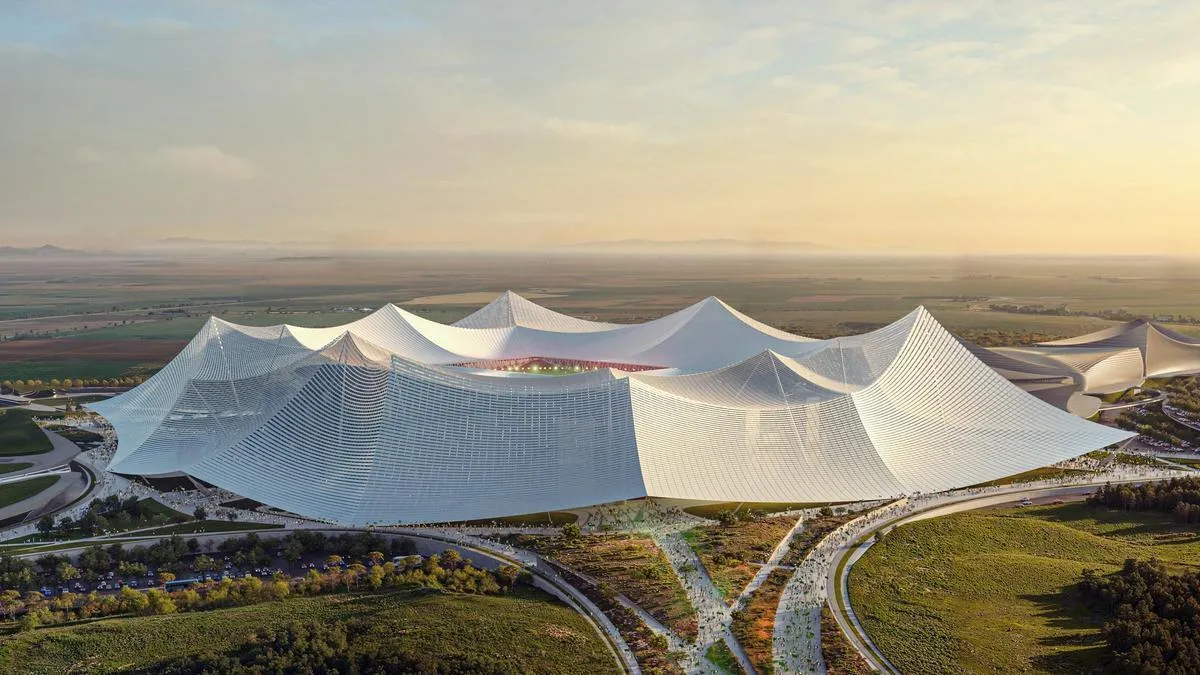
Casablanca is on the verge of realizing its monumental dream of hosting the World Cup. On the outskirts of the city, amidst cranes, steel, and relentless activity both day and night, Morocco is constructing the future Hassan II Stadium, which aims to become the largest stadium in the world upon its completion. With a seating capacity of 115,000 spectators, this ambitious project aspires to transcend mere football; it seeks to symbolize the nation’s culture, hospitality, and commitment during the 2030 World Cup. The ultimate goal of this grand construction is to serve as the venue for the World Cup final, positioning itself against Spanish contenders such as the Bernabéu and Camp Nou.
A recent visit to the construction site, reported by SPORT, reveals the magnitude of a project that impresses even before the stadium is fully outlined. Currently employing around 5,000 workers, the workforce is expected to double to 10,000 in the coming months. Construction is progressing in three shifts of eight hours, ensuring continuous activity 24 hours a day. Morocco is accelerating its efforts with a clear objective: to have the stadium completed by December 2027, eight months ahead of schedule, thereby reinforcing its credibility as a premier host city for the tournament.
A Venue Rooted in Moroccan Culture and Innovation
The project's lead architect, Tarik Oualalou, emphasized that the stadium should not be perceived merely as a large sports facility. "We want it to be the center of hospitality for this World Cup," he noted during the site visit. The vision for the Hassan II Stadium is to create a communal space where diverse communities can come together, coexist, and enjoy the event in harmony. This philosophy extends into the architectural design, which is deeply intertwined with Moroccan heritage. Visitors will first traverse a grand structure inspired by traditional Moroccan tents, enhancing the cultural atmosphere. Under this canopy, the journey towards the pitch is designed to be a sensory experience. Oualalou explained that the stadium aims to offer a new understanding of climate, incorporating areas that evoke various Moroccan landscapes such as the sea, forests, and deserts. "We want to create a stadium that breathes, one you can feel as you approach the field," he summarized.
The technical scope of the project is immense, with the structure poised to be the largest ever built for a stadium of its kind. The sporting venue will operate independently from the expansive canopy of tents, which will rise to a height of 550 meters. The seating will be sheltered and integrated within this architectural vision, while inside, a suspended screen measuring around 700 square meters will wrap around the stadium. "This is a stadium that challenges limits," asserts the architect.
Seating arrangements will be organized into three tiers, accommodating 22,000, 14,000, and 62,000 spectators respectively. Of the total capacity, approximately 100,000 seats will be allocated to the general public, alongside 3,000 seats for the press and 9,000 VIP spaces. Hospitality, a core aspect of the project, will be integrated across all levels to enhance the experience before, during, and after the matches.
The Hassan II Stadium is also set to be a technological marvel, with plans for approximately 3,000 cameras throughout the venue and the use of 200 drones for aerial monitoring. The design has been meticulously crafted to meet FIFA's requirements, yet with the intention that the stadium will serve a purpose beyond the World Cup. The model is envisioned to be flexible and adaptable for future competitions and various social and sporting events.
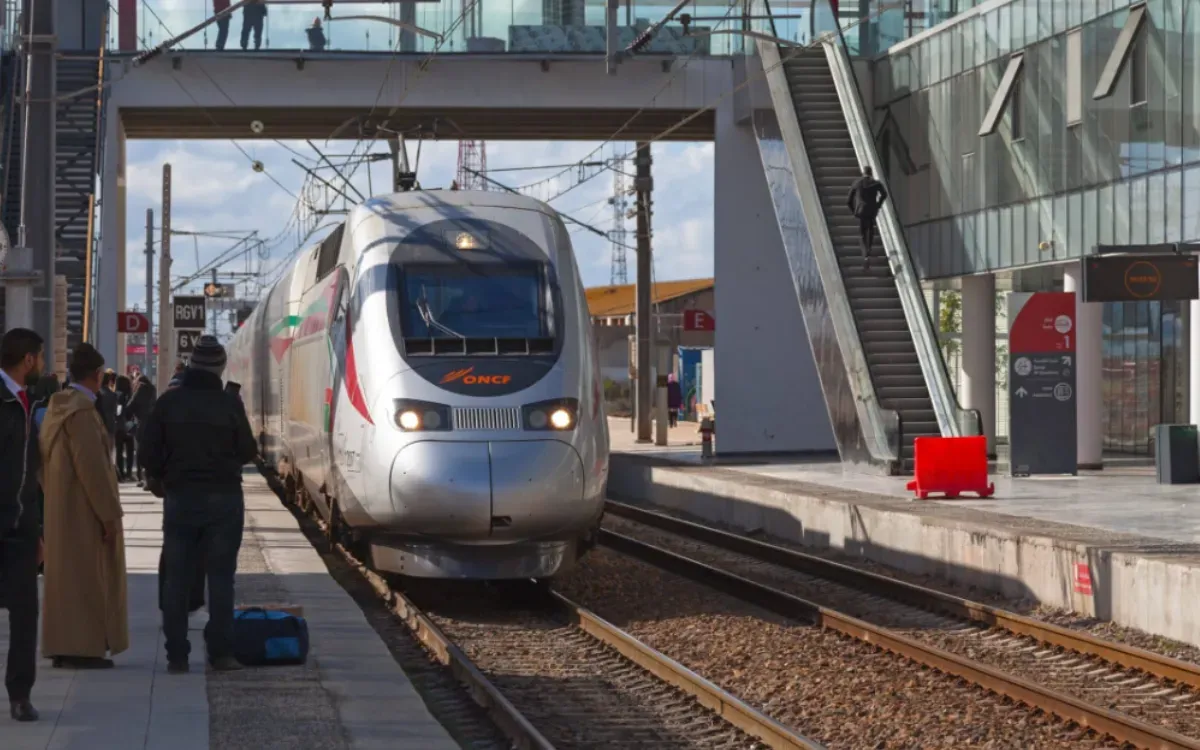
With an estimated cost of around $1 billion, the project has garnered significant attention from FIFA. Morocco is openly expressing its ambition for Casablanca to host the 2030 World Cup final. To achieve this, the stadium will not exist in isolation but will be the focal point of a new metropolitan area, featuring quick access to highways, a future high-speed train station, various entry points, and underground parking designed to preserve surrounding forests and enhance security.
In just ten months of construction, with 40% of the seats already finished and an anticipated 9,000 tons of steel required for the build, the Hassan II Stadium is beginning to take shape as a groundbreaking endeavor. Surrounding the stadium will also rise a sports complex, complete with basketball courts, a swimming pool, and facilities for various other sports.
Morocco aims for the world to perceive not just a gigantic stadium but to feel an entire culture, a warm welcome, and a bold declaration of ambition. Casablanca is constructing a colossus, yes, but it is also sending a message: the journey towards the 2030 World Cup has already begun on the ground.
As reported by laopinioncoruna.es.