The Faculty of Sharia in Fes, part of Sidi Mohammed Ben Abdellah University, is continuously solidifying its presence in the national academic landscape by engaging with professional and institutional competencies beyond traditional classrooms and laboratories. This commitment stems from a belief that the university's role transcends mere theoretical knowledge production; it extends to creating spaces for dialogue and interaction between scientific research and practical experience.
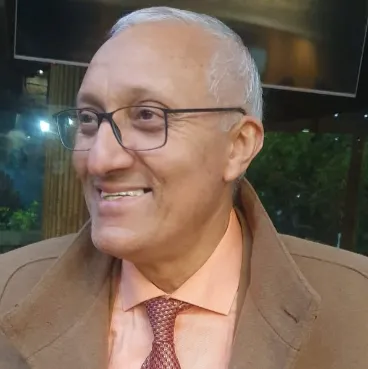
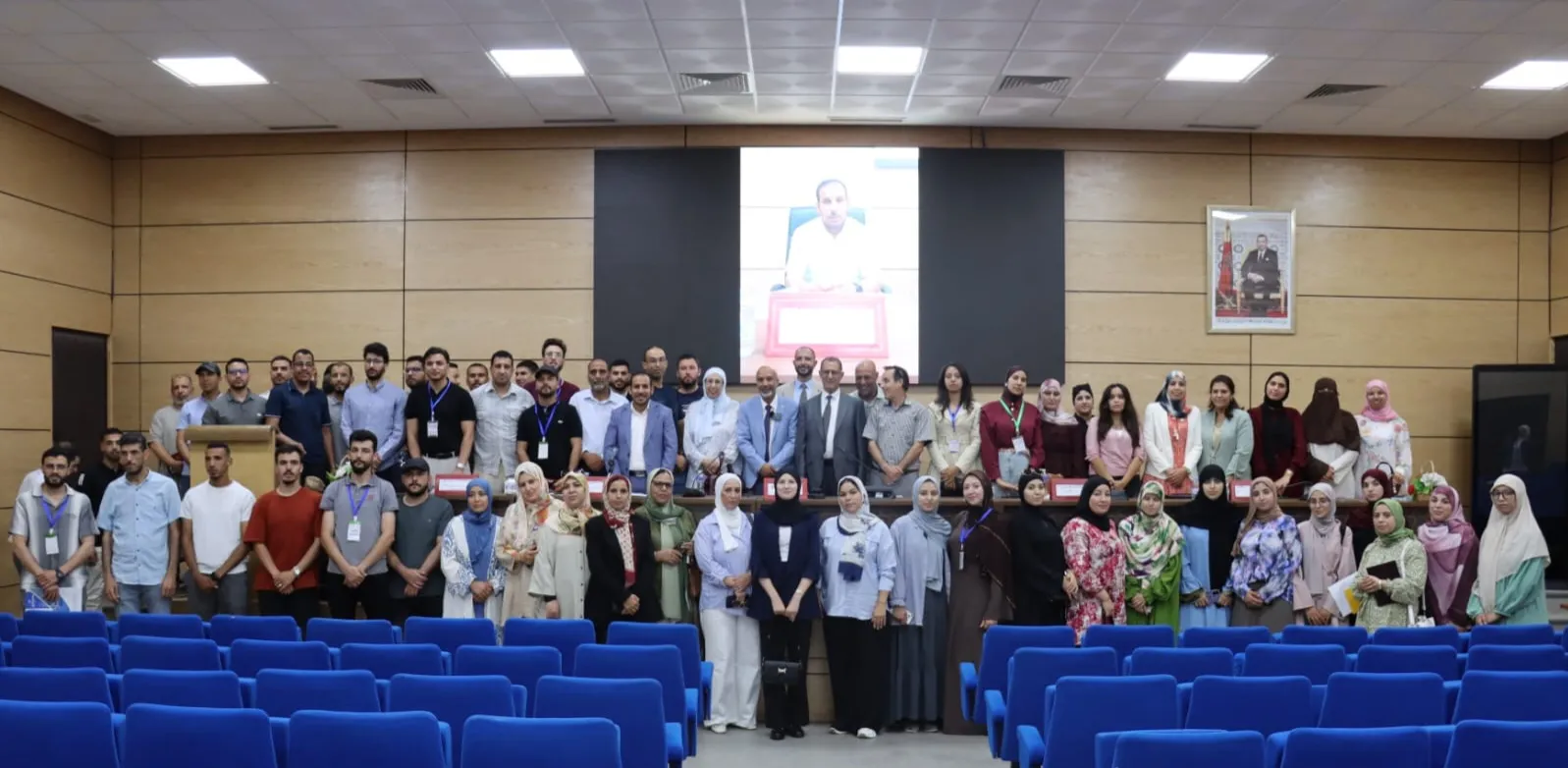
In this context, the faculty recently hosted esteemed professor Noor El-Din Bousta, a public prosecutor at the Court of Cassation and an inspector at the General Inspection of Judicial Affairs within the Supreme Judicial Council. He delivered an insightful lecture on “Mediation and Reconciliation,” attended by researchers and students interested in justice and dispute resolution.
The event, coordinated among the Master's programs in Judiciary and Documentation, Family Law, and Social Assistance and Law, provided not only a platform to review the legal provisions governing mediation and reconciliation but also served as an academic moment to reflect on the transformations within the Moroccan justice system. Specifically, it addressed the importance of enhancing mechanisms for amicable dispute resolution, thereby alleviating the pressure on traditional judicial processes.
The significance of the topic of mediation and reconciliation arises from its centrality in discussions aimed at developing and improving the efficacy of justice. With an increase in disputes and the complexities of familial, social, and economic relationships, there is a growing necessity for mechanisms that can balance the protection of rights with the preservation of human connections. This is achieved through encouraging consensual solutions based on dialogue and reconciling viewpoints rather than resorting to domination and prolonged adversarial conflicts.
Furthermore, the lecture provided students and researchers the opportunity to learn from a professional who has amassed considerable experience within one of the most critical institutions of justice in the kingdom. Professor Bousta elaborated on the legal and institutional dimensions of mediation and reconciliation, highlighting the evolution of Moroccan legislation regarding alternative dispute resolution methods, while also addressing the practical challenges associated with their implementation.
Such initiatives gain their academic value from the nature of the speakers invited to the university. When a judge and judicial official with years of practice and expertise enters the realm of research and training, knowledge becomes more closely tied to reality. Consequently, the university auditorium transforms into a space for exchanging experiences and insights, allowing for the exploration of questions that do not always find answers within the confines of books and academic references.
The discussion that followed the lecture reflected the level of interest demonstrated by students and researchers in alternative justice issues and the future of mediation and reconciliation within the Moroccan legal framework. This is particularly relevant given the legislative and institutional transformations currently underway in the sector and the new training and research needs that arise as a result.
This activity is part of the scientific dynamism witnessed by the Faculty of Sharia in Fes, one of the oldest public universities specializing in Sharia and legal studies in Morocco. Over the decades, it has built an academic experience that has contributed to the training of generations of researchers, judges, and professionals in various fields of justice and law. The faculty is also part of Sidi Mohammed Ben Abdellah University, which stands out as one of Morocco's leading universities in terms of scientific output, rich research laboratories, and diverse specialized academic programs.
This vision acknowledges that scientific research is no longer solely reliant on academic references and studies; it increasingly requires listening to the experiences of practitioners and experts and addressing the questions posed by practical realities. Hence, scientific meetings of this nature acquire their value, as they enable the university to fulfill one of its fundamental roles: connecting theoretical knowledge with professional experience, thereby creating a shared space for contemplating issues that concern society and its institutions.
As reported by danapress.ma.