Moroccan Preparations for Aid al-Adha: A Return to Festivities
As the sun rises over Morocco, the air is filled with anticipation and excitement as families across the nation prepare for one of the most significant celebrations in the Muslim calendar, Aid al-Adha. After a year-long suspension due to a severe drought that affected the country, Moroccans are eager to embrace the traditions and rituals associated with this festive occasion. The markets are bustling with activity, as families search for the perfect sheep to sacrifice, an integral part of this celebration which honors the willingness of the Prophet Abraham to sacrifice his son Isaac in obedience to God. Fortunately, after a series of favorable rains, the livestock sector is witnessing a remarkable recovery, with the national sheep population surpassing 30 million for the first time.
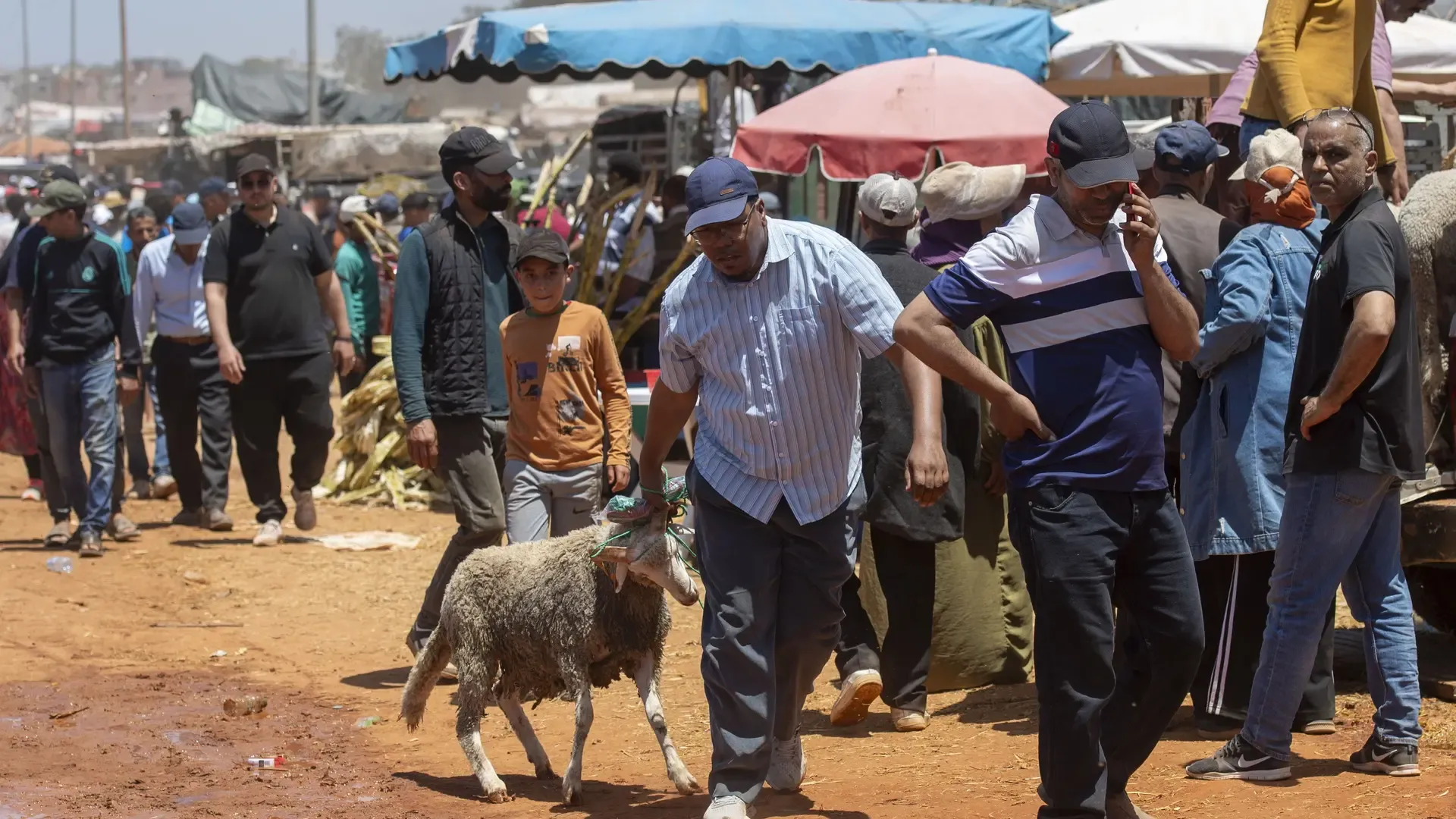
The Moroccan government has taken measures to facilitate travel during this festive period, declaring a public holiday to ensure that families can come together and partake in the celebrations. Additionally, to help manage the financial aspects of the festival, salaries for public employees have been disbursed ahead of time, and banks are offering consumer loans to ease the burden of expenses associated with the holiday. In a temporary market set up in Temara, just outside Rabat, families are seen diligently selecting their sheep, with one mother, Fatima, expressing her joy in finally being able to celebrate the festival after a year of absence. She shared her experience of purchasing a sheep for 2,300 dirhams (approximately 210 euros), which she considers a fair price despite the overall costs of the festival reaching around 5,000 dirhams (460 euros).
The Vibrant Market Atmosphere and Challenges Ahead
Since early morning, the temporary market has been alive with hundreds of people browsing through the stalls, negotiating prices, and discussing their plans for the upcoming celebration. Amidst the lively exchanges, merchants like Hafid proudly showcase their livestock, noting that they can sell up to 40 sheep daily. Prices vary significantly, with some sheep priced at 2,000 dirhams (180 euros) while others exceed 5,000 dirhams (460 euros), catering to different budgets and preferences. However, not all visitors share the same enthusiasm, as some voice concerns over rising prices and difficulty in finding affordable options, echoing the sentiments of many who feel the financial strain.
Health and safety regulations are paramount during this time, with officials from the National Office for Food Safety (ONSSA) conducting inspections to ensure the animals are fit for sacrifice. Taha el Ouadghiri from ONSSA noted that during inspections, they identify several sheep that are unfit for sale due to health issues, underscoring the importance of maintaining rigorous standards. As families leave the market with their chosen sheep, the customary question of price is frequently exchanged, reflecting the community's shared experience during this festive season. The return of Aid al-Adha to Moroccan streets, homes, and conversations symbolizes resilience and hope, marking a significant moment for a nation eager to celebrate its traditions once again.
As reported by heraldo.es.