Understanding the Significance of Marrakech's Red Walls
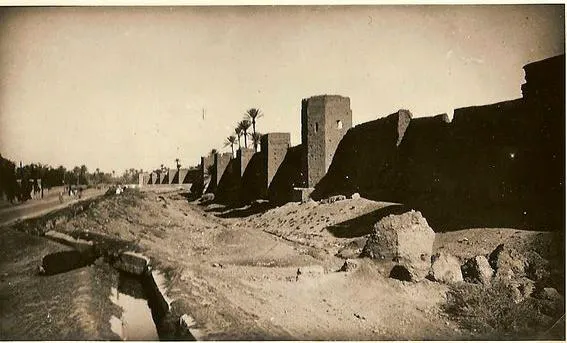
The electronic channel Nيشان اللآن provides a deep dive into the rich heritage and identity of Marrakech, Morocco. As one approaches the heart of this vibrant city, the imposing red walls emerge as a defining boundary between two realms. Rather than acting as a barrier, these walls serve as a visual proclamation of the city’s identity, a character that has been meticulously crafted over centuries. Stretching over considerable distances, these walls cradle the city, striking a rare balance between historical seclusion and modern openness.
The origins of these walls can be traced back to ancient historical periods when the need for security and political stability necessitated the construction of robust fortifications to shield the city from external threats. Over time, however, these defensive structures transformed from mere protective barriers into symbols that encapsulate the essence of Marrakech, particularly due to their earthy, reddish hue that has earned the city its famous nickname.
Memories Embedded in Historical Gates
The historic gates that punctuate these walls are not mere passageways; they are vibrant points of memory, each bearing names and stories tied to the ancient trade and social movements of the city. Through these gates, caravans once passed, goods flowed in, and citizens moved between the inside and outside of the city, making them integral to the economic and social tapestry of Marrakech throughout history. Despite the extensive urban expansion the city has undergone in recent decades, the walls maintain a strong presence within the urban landscape, seemingly unwilling to be relegated to mere historical backdrops. They remain visible and active, shaping the city's image and compelling visitors to reconsider the meaning of modernity within a space laden with historical weight.
In conclusion, the walls of Marrakech transcend the definition of mere ancient structures; they represent a tangible memory of a city that has successfully navigated the balance between its past and present. The reddish clay of these walls communicates a visual language that narrates its story to the world without the need for words.
As reported by nichanealane.ma.